Local Business Technology Trends 2026: Tools You Need to Grow Faster
On this page (22 sections)
- Why 2026 Is Different for Local Small Businesses
- The 10 Technologies Local Small Businesses Should Adopt in 2026
- 1) AI Assistants + Practical Automation (For Real Daily Tasks)
- 2) Cybersecurity Basics (MFA + Backups + Safer Accounts)
- 3) Cloud Tools That Make Small Teams Faster (Without Overspending)
- 4) Modern Payments + Faster Checkout (So You Don’t Lose Sales)
- 5) Local “E-Commerce Thinking” (Even If You’re Not a Retail Store)
- 6) A Simple CRM (So Leads Don’t Get Lost in WhatsApp)
- 7) Marketing Automation + First-Party Data (So You Don’t Depend on Ads)
- 8) Analytics That Small Teams Actually Use (Not Just Pretty Charts)
- 9) Simple Integrations (So You Stop Copy-Pasting All Day)
- 10) Local Ops Tech (POS, Booking, Inventory, Field Tracking)
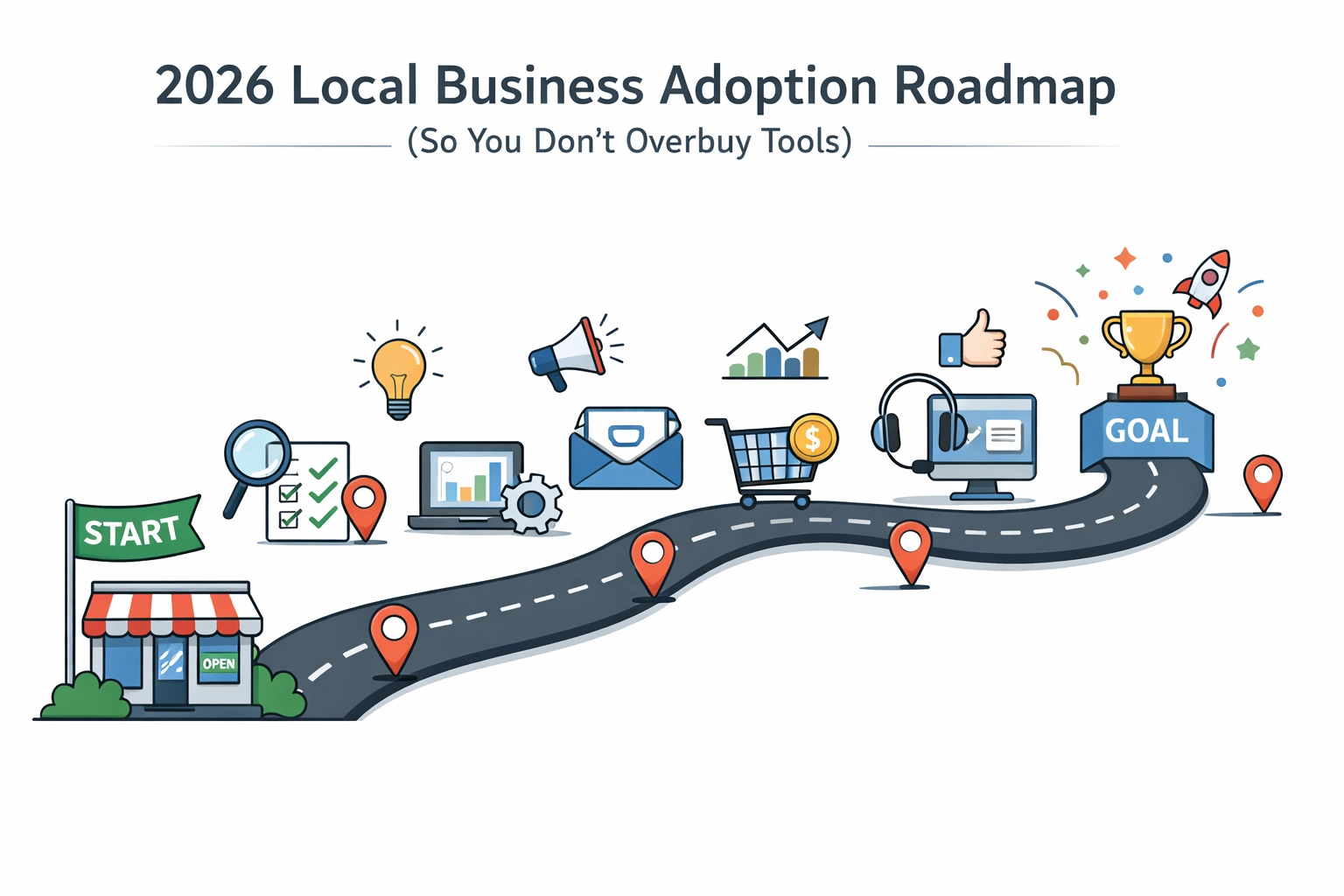
- A Simple 2026 Local Business Adoption Roadmap (So You Don’t Overbuy Tools)
- Phase 1 (0–30 days): Foundation
- Phase 2 (30–90 days): Demand + conversion
- Phase 3 (90–180 days): Efficiency + scale
- FAQ
- What should a local small business invest in first for 2026?
- What’s the most important “tech trend” for local business growth?
- How do I avoid wasting money on tools?
- Conclusion: The 2026 Local Growth Stack Is “Fast, Trusted, Connected”
- List Your Business on Nearif and Reach Verified Local Customers
Why 2026 Is Different for Local Small Businesses
In 2026, “technology” isn’t an IT project, it’s how local businesses get found, win trust, and convert faster.
are pushing local businesses to modernize now:
- Customers expect instant answers
- Competition is one click away
- Fraud and security risks are rising
So the real question is not “Should we use technology?”
It’s: Which tools bring more calls, bookings, and repeat customers without making things complicated?
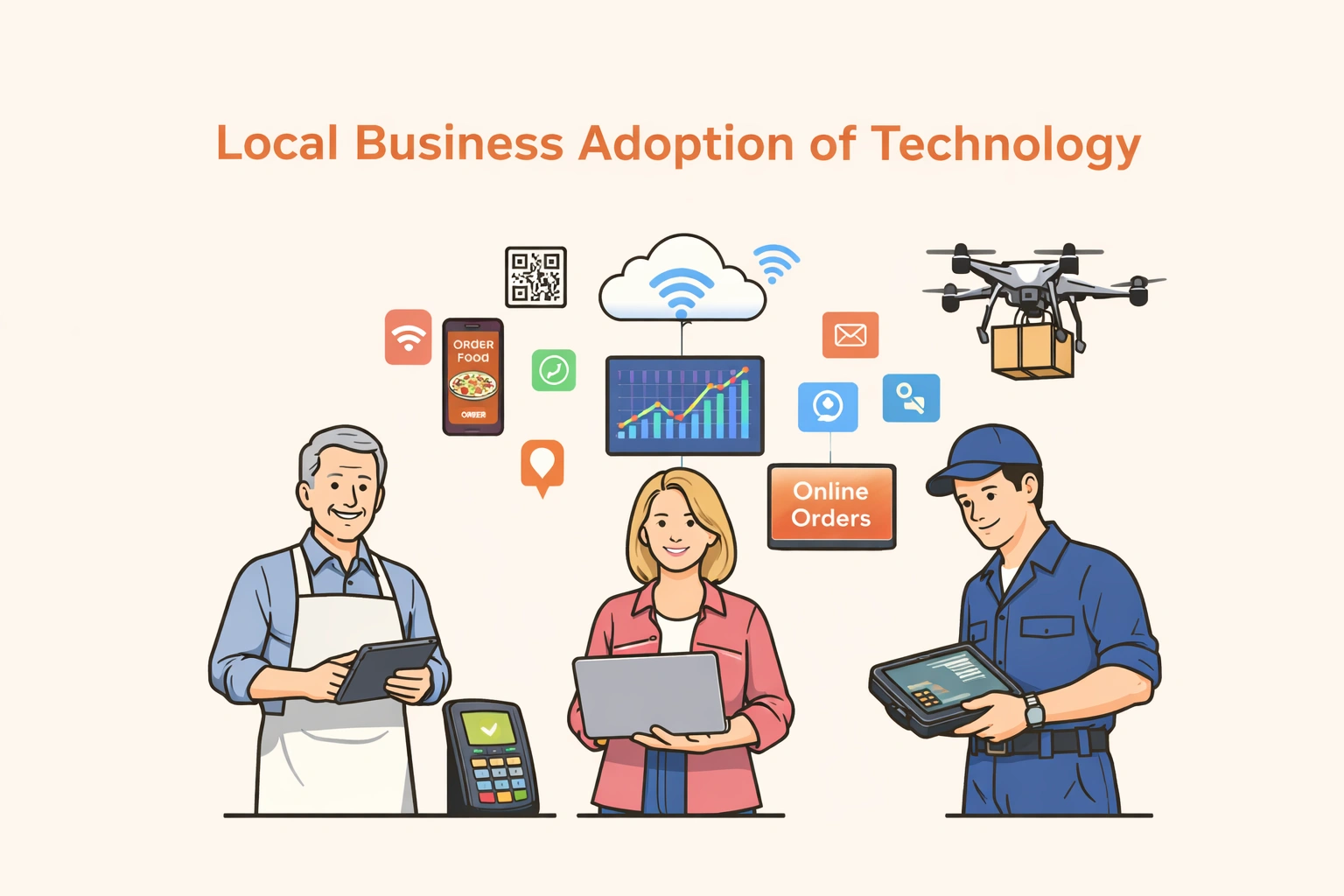
The 10 Technologies Local Small Businesses Should Adopt in 2026
1) AI Assistants + Practical Automation (For Real Daily Tasks)
In 2026, winners won’t be the businesses “using AI.” They’ll be the ones using AI to save time and respond faster: replying to enquiries, creating promos, summarizing calls, and keeping operations organized.
- Customer enquiries: faster replies, FAQ answers, booking links, quote templates
- Sales/admin: call notes, lead summaries, follow-up messages
- Marketing: social captions, offer ideas, Google Business posts, email campaigns
- Operations: invoice reminders, review requests, internal checklists and SOPs
Best practice: Use AI to draft and speed up work then keep a human check for accuracy and tone.
- Microsoft 365 Copilot / Google Workspace AI (email + docs productivity)
- ChatGPT (content drafts, reply templates, process checklists)
- Canva (AI-assisted designs for promos)
- HubSpot / Zoho AI (CRM notes and follow-ups)
- Helpdesk AI (for businesses handling lots of support)
Implementation tip: Start with ONE workflow (e.g., “reply to enquiries in under 5 minutes”) and measure results for 2 weeks.
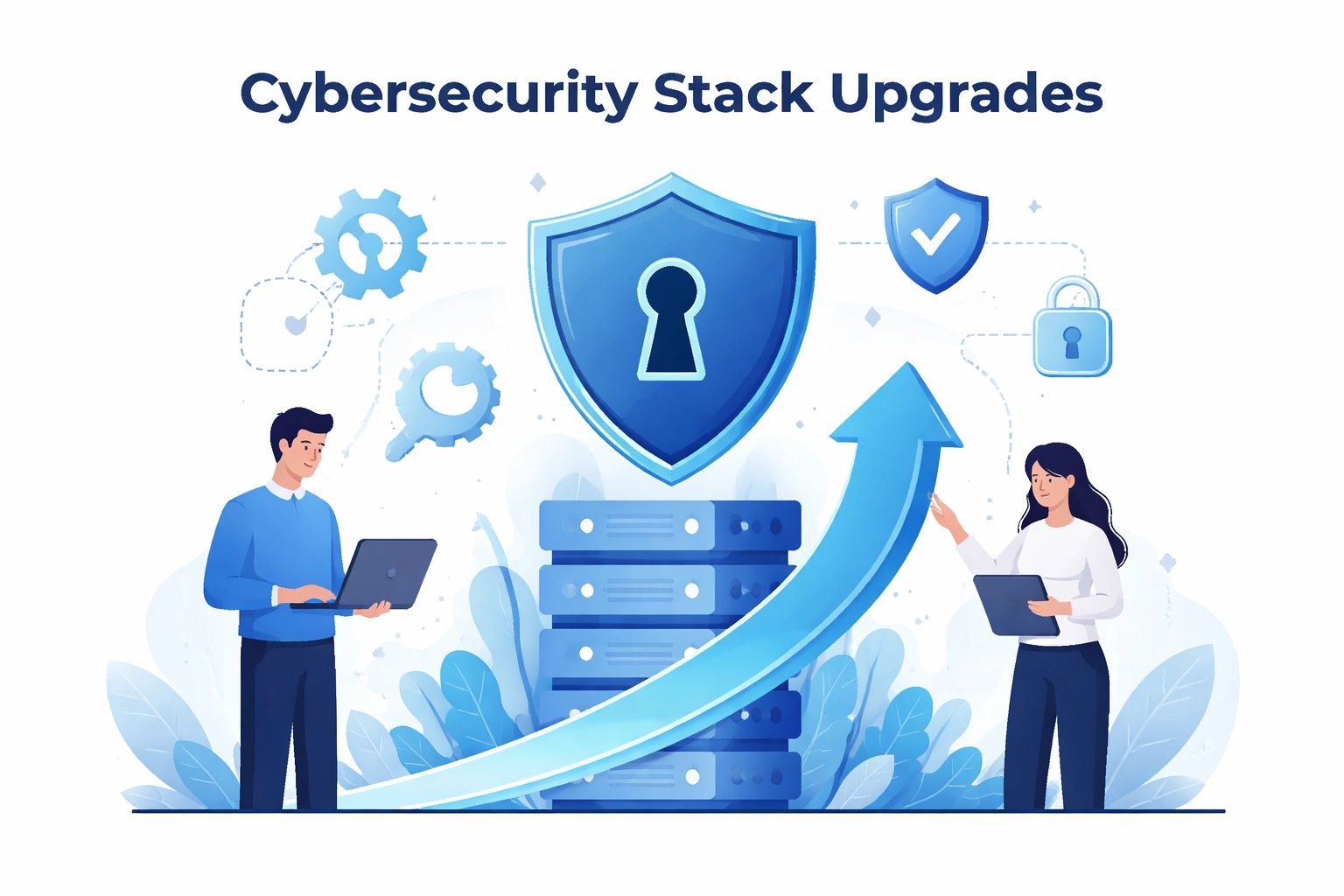
2) Cybersecurity Basics (MFA + Backups + Safer Accounts)
For local businesses, one hacked email or stolen Facebook admin account can destroy weeks of revenue.
Security is growth protection: it prevents downtime, refund chaos, and reputation damage.
- Multi-factor authentication (MFA) on email, bank accounts, Meta/Google, and admin logins
- Password manager (so staff don’t reuse passwords)
- Device protection + updates (basic endpoint security)
- Backups with tested restore (for website + key documents)
- Staff phishing awareness (simple rules + monthly reminders)
- Google/Microsoft authenticator apps + MFA
- 1Password / Bitwarden (password management)
- Microsoft Defender / Malwarebytes (basic device protection)
- Cloudflare (website protection + performance)
- Managed backup solutions (website + cloud drive backups)
Minimum standard: If you have email + customer data + online payments, MFA + password manager + backups are non-negotiable.
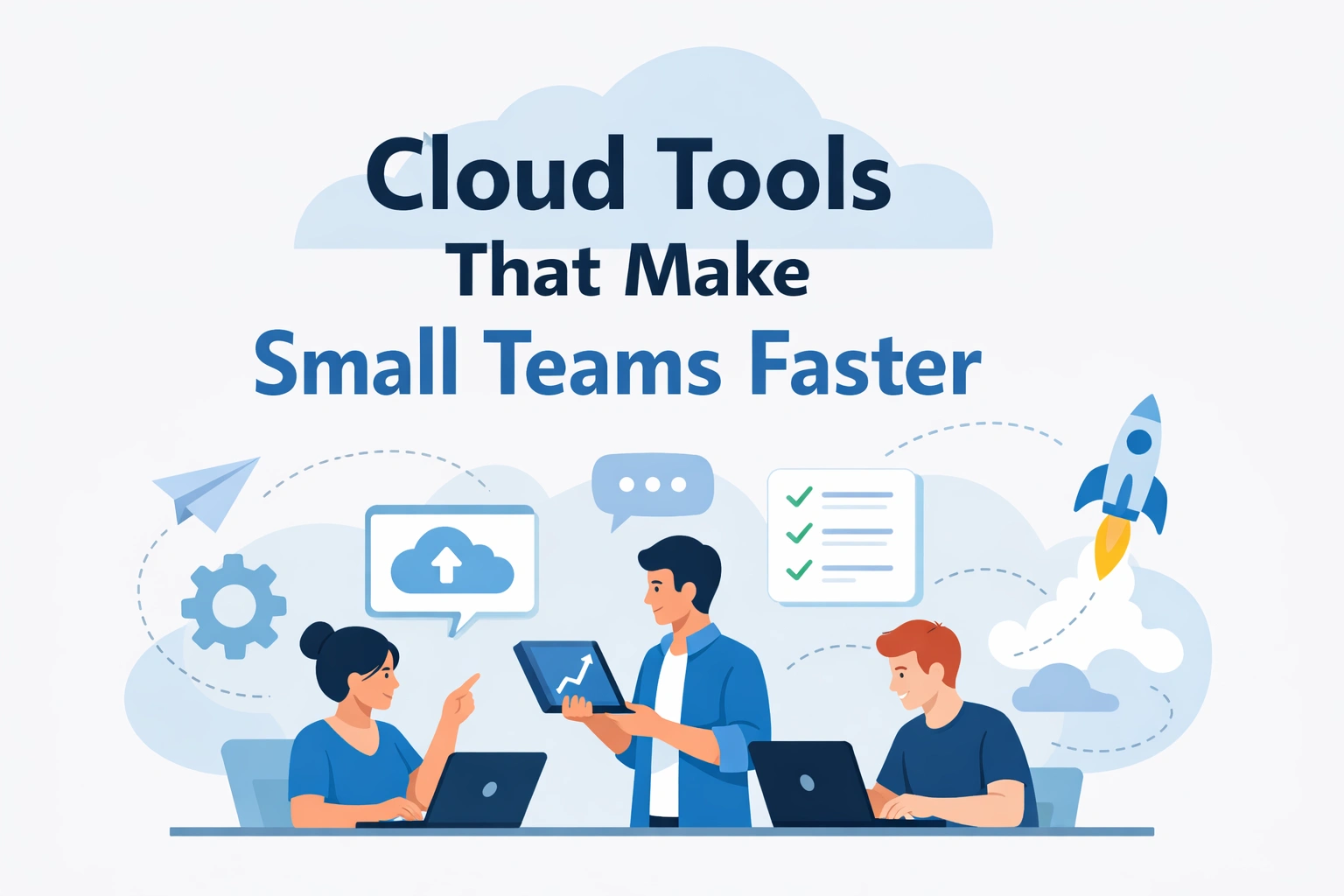
3) Cloud Tools That Make Small Teams Faster (Without Overspending)
Cloud isn’t just “where your website lives.” It’s how small teams share files, work remotely, store customer data safely, and stay organized.
- Cloud storage + shared folders (invoices, designs, SOPs)
- Business email + calendar (reliable, professional)
- Cost control: avoid paying for tools you don’t use
- Google Workspace / Microsoft 365 (email, storage, docs)
- Cloudflare (performance + basic security)
- Managed hosting (for WordPress/WooCommerce sites)
- Simple budgeting (monthly tool audit + cancellation rules)
Practical approach: Pick fewer tools, connect them well, and review subscriptions monthly small savings compound.
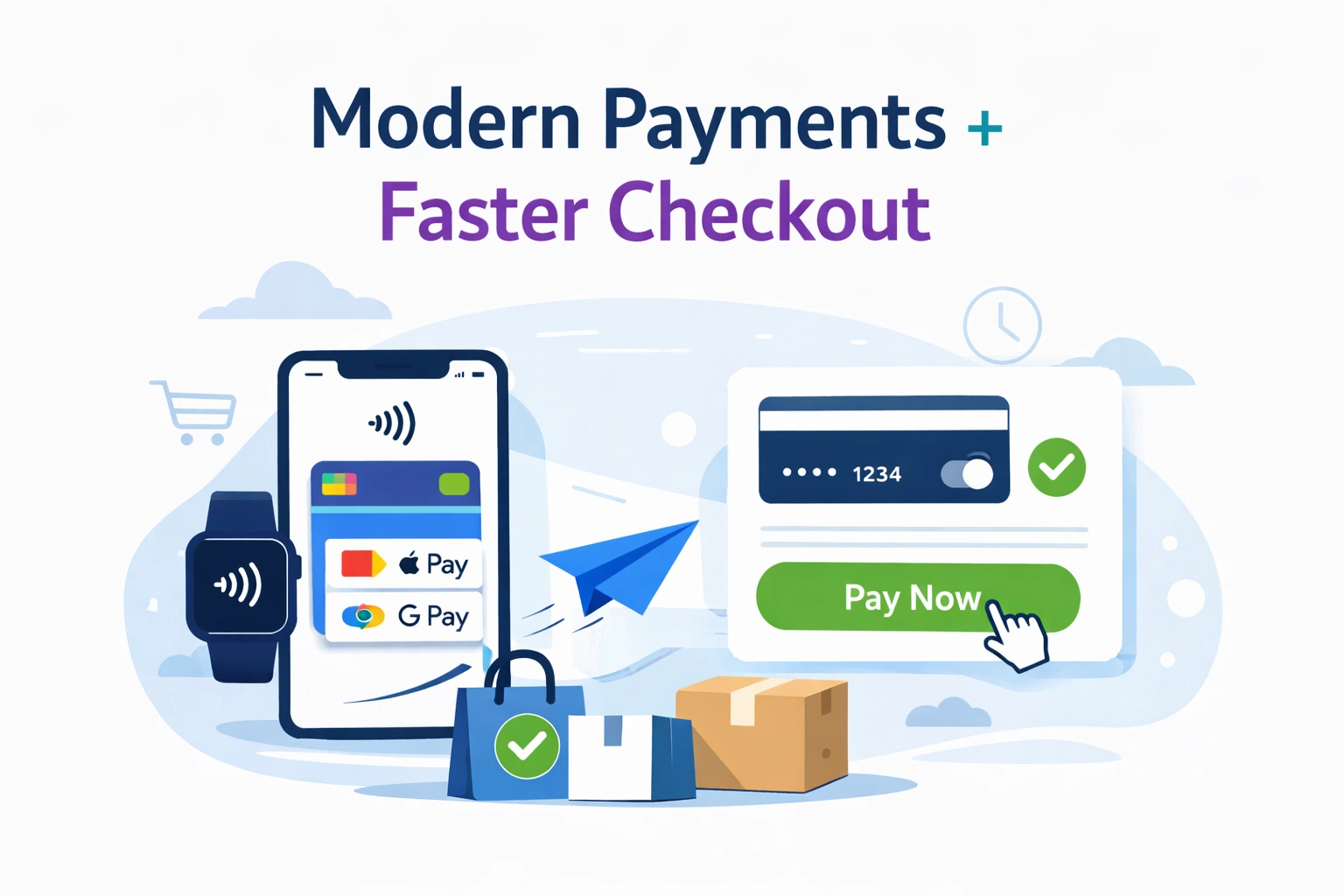
4) Modern Payments + Faster Checkout (So You Don’t Lose Sales)
Checkout friction is a silent revenue killer especially for local customers on mobile.
- Tap-to-pay / wallets (Apple Pay, Google Pay) online and in-store
- Payment links (send invoice/payment link on WhatsApp/SMS/email)
- Deposits for bookings (reduce no-shows)
- Subscription billing (if you offer monthly services)
- Basic fraud controls + chargeback prevention
- Stripe (links, subscriptions, fraud tools)
- Razorpay (India: payments + payouts)
- PayPal (international trust)
- Square (POS + tap-to-pay)
- Shopify Payments (for Shopify stores)
Quick win: Add express checkout + clear pricing + fewer form fields. Small changes can lift conversion fast.
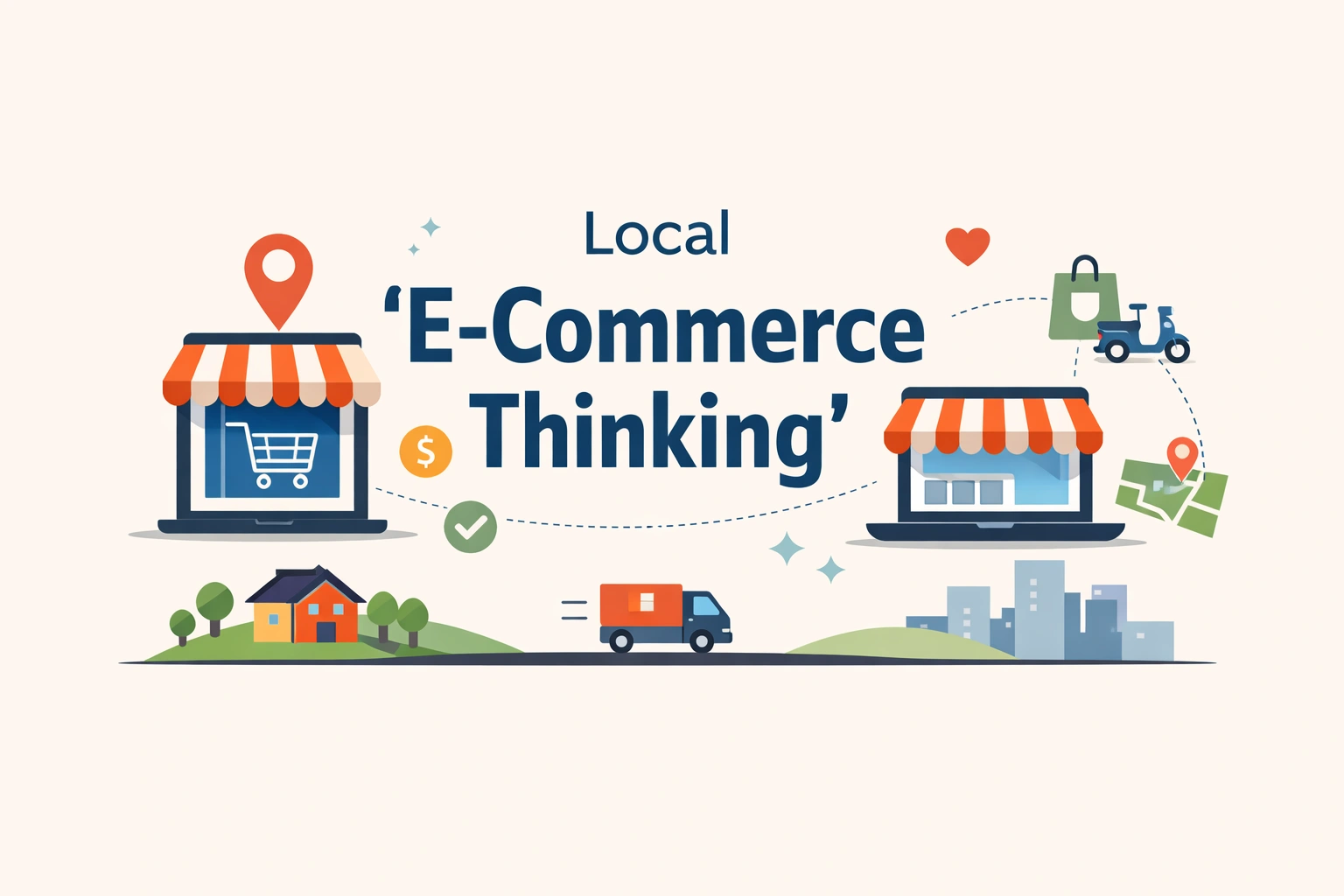
5) Local “E-Commerce Thinking” (Even If You’re Not a Retail Store)
Even service businesses win with e-commerce thinking: easy discovery, clear offers, fast booking, and simple payment.
- A fast, mobile-first website (people search on phones)
- Booking/quoting: “Book now” or “Get quote” in 1 minute
- Google Business Profile optimization (photos, services, posts)
- Social proof: reviews, before/after, case studies
- Shopify / WooCommerce (selling products or packages)
- Calendly / Zoho Bookings (appointments)
- Webflow / WordPress (fast marketing sites)
- WhatsApp Business (quick customer comms)
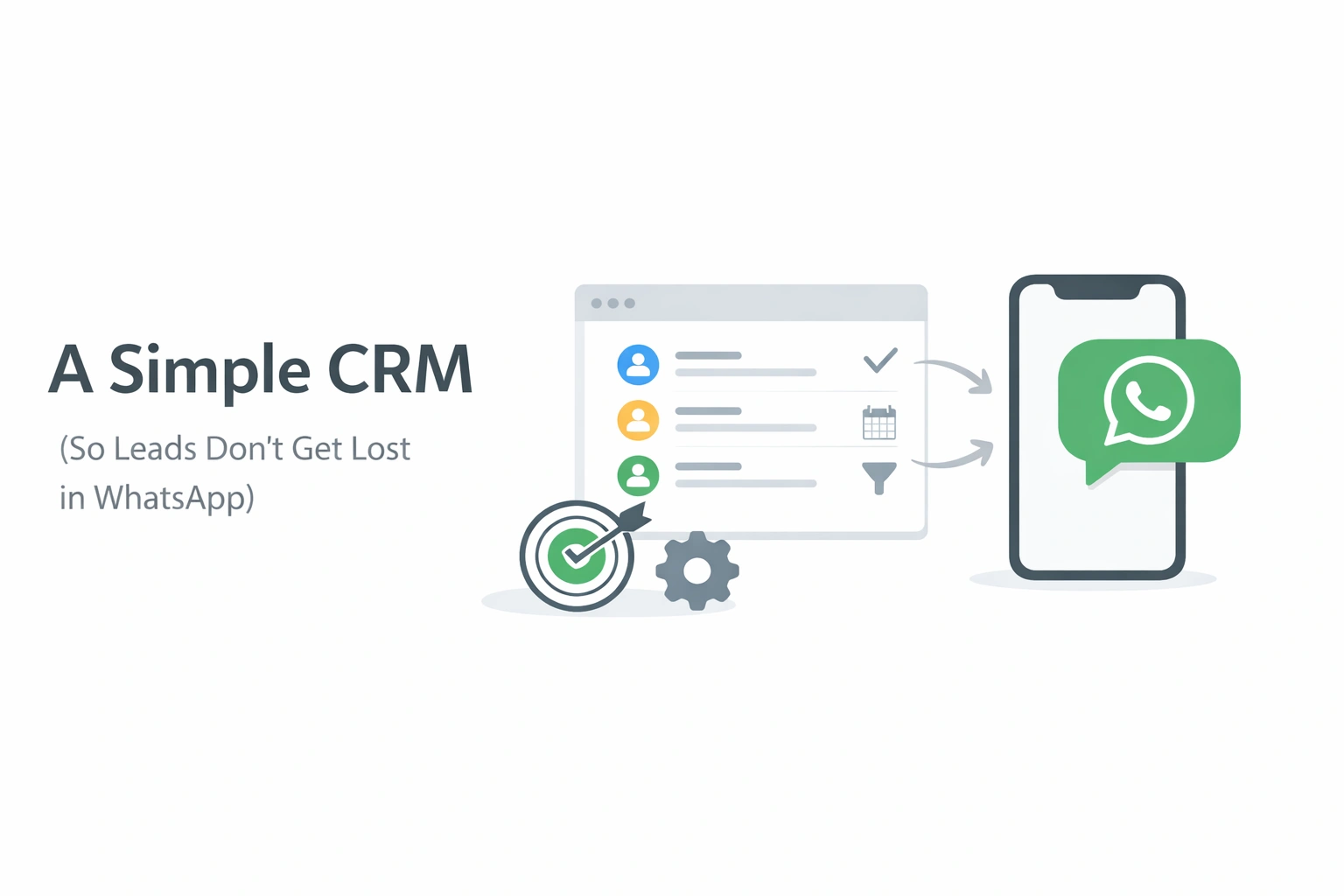
6) A Simple CRM (So Leads Don’t Get Lost in WhatsApp)
Local businesses leak revenue when leads are scattered across WhatsApp, DMs, spreadsheets, inboxes, and missed calls.
- One place for leads: name, number, service needed, next step
- Follow-up reminders (today / tomorrow / next week)
- Simple pipeline: New → Contacted → Quoted → Booked → Completed
- Customer tags (repeat, high-value, referral source)
- HubSpot (free to start)
- Zoho CRM (value-focused)
- Pipedrive (simple pipeline)
- Freshsales (sales + calling tools)
2026 standard: If you want predictable growth, your leads must be trackable.
7) Marketing Automation + First-Party Data (So You Don’t Depend on Ads)
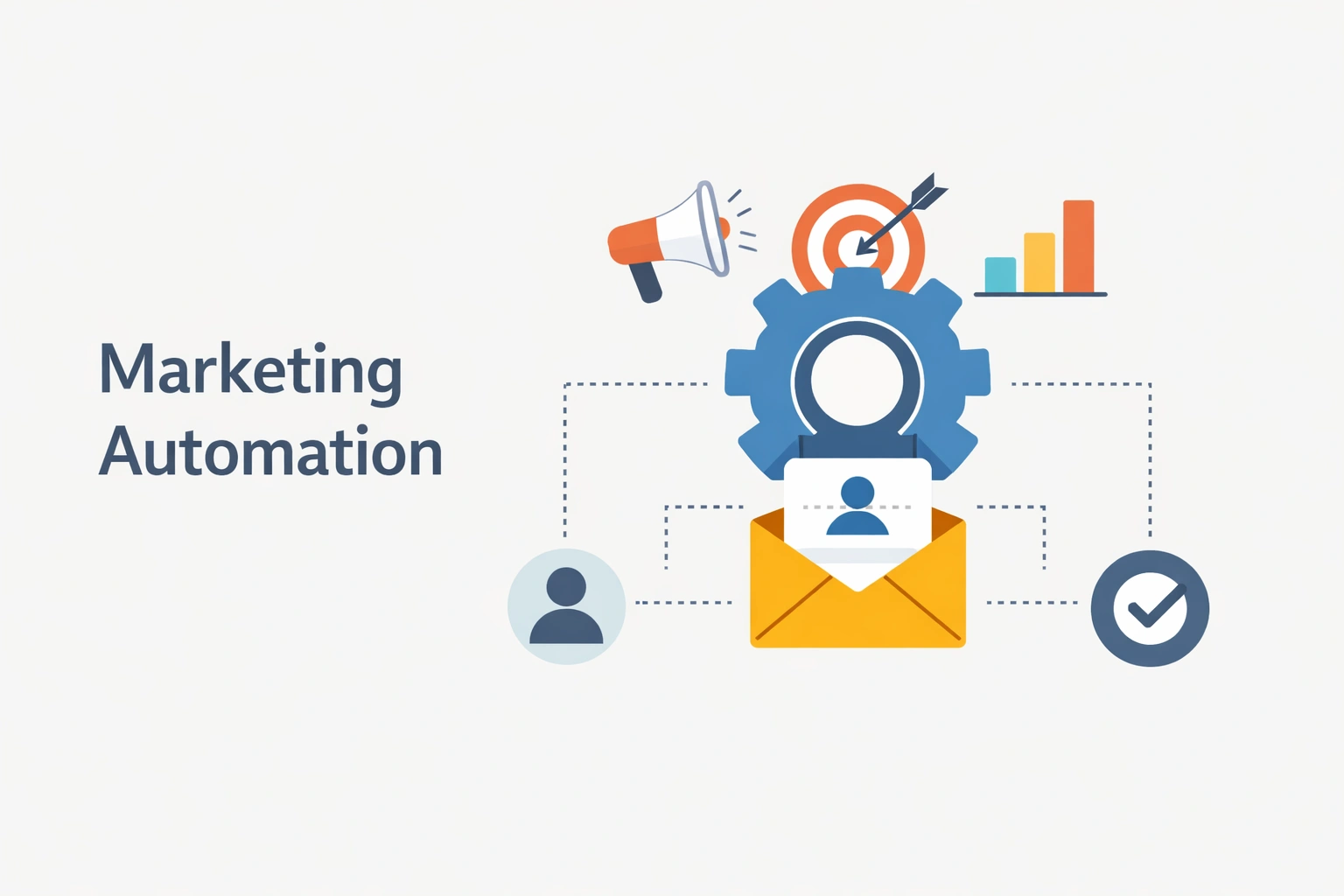
Ad costs fluctuate and algorithms change. Local winners build owned audiences: customer lists, repeat visits, referrals, and review engines.
- Automated review requests after purchase/appointment
- Welcome + follow-up messages (new enquiry → booking)
- Win-back campaigns (bring back past customers)
- Consent + unsubscribe built-in (keep it compliant)
- Mailchimp / Brevo (email + SMS options)
- Klaviyo (great for ecommerce)
- WhatsApp Business templates (where allowed)
- Google Ads + Meta Ads (when tracked properly)
8) Analytics That Small Teams Actually Use (Not Just Pretty Charts)
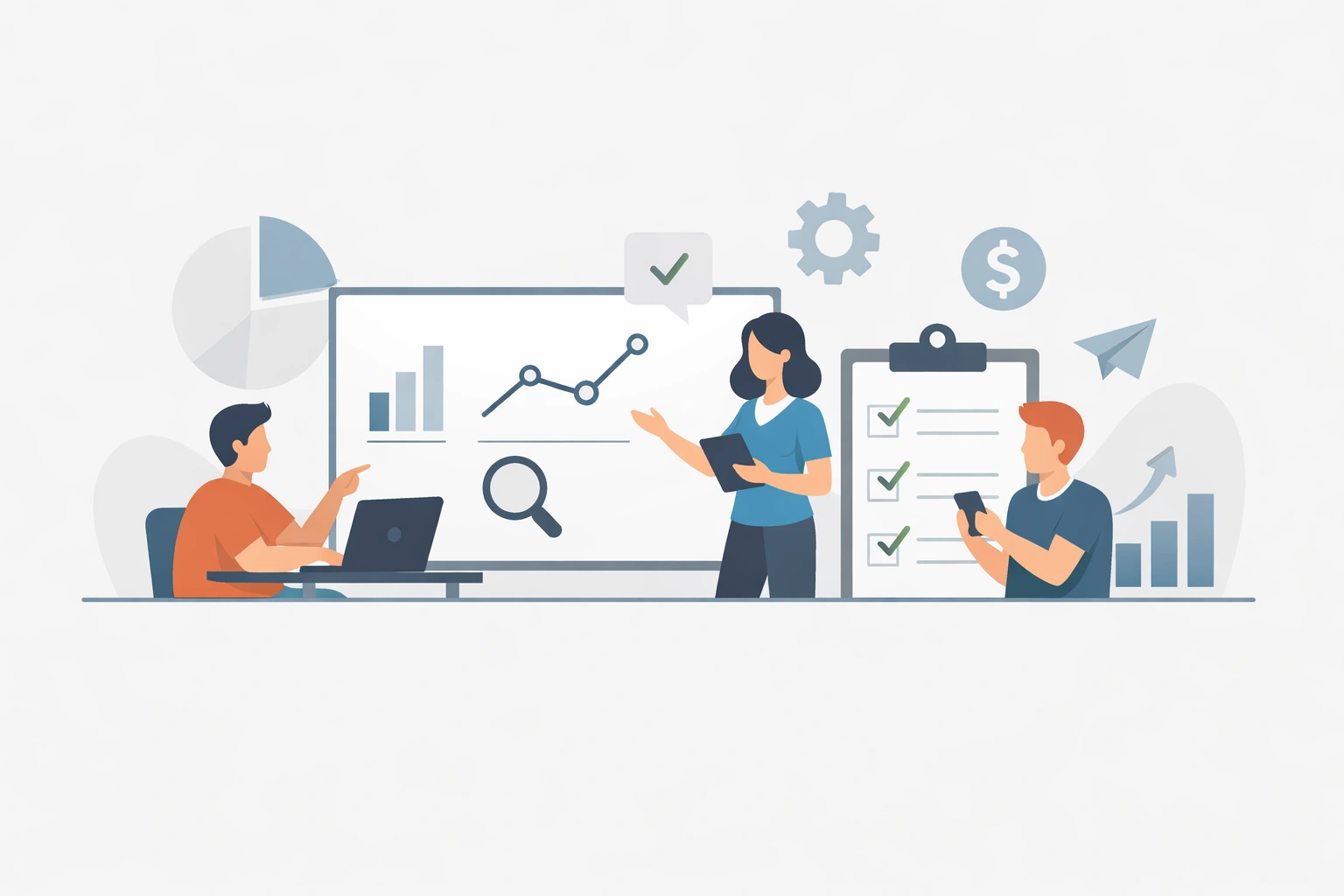
In 2026, local businesses need clarity on:
- Which channel brings calls/bookings (not just traffic)
- Which service pages convert best
- Where customers drop off (forms, checkout, booking)
- Conversion tracking (calls, forms, bookings, purchases)
- Simple funnels (visit → enquiry → booked)
- One dashboard with key numbers (weekly review)
- Google Analytics 4 + Looker Studio
- Google Business Profile insights
- Call tracking tools (if phone calls drive revenue)
Tip: Track 5 KPIs max (Leads, Bookings, Conversion Rate, Cost per Lead, Repeat Rate).
9) Simple Integrations (So You Stop Copy-Pasting All Day)
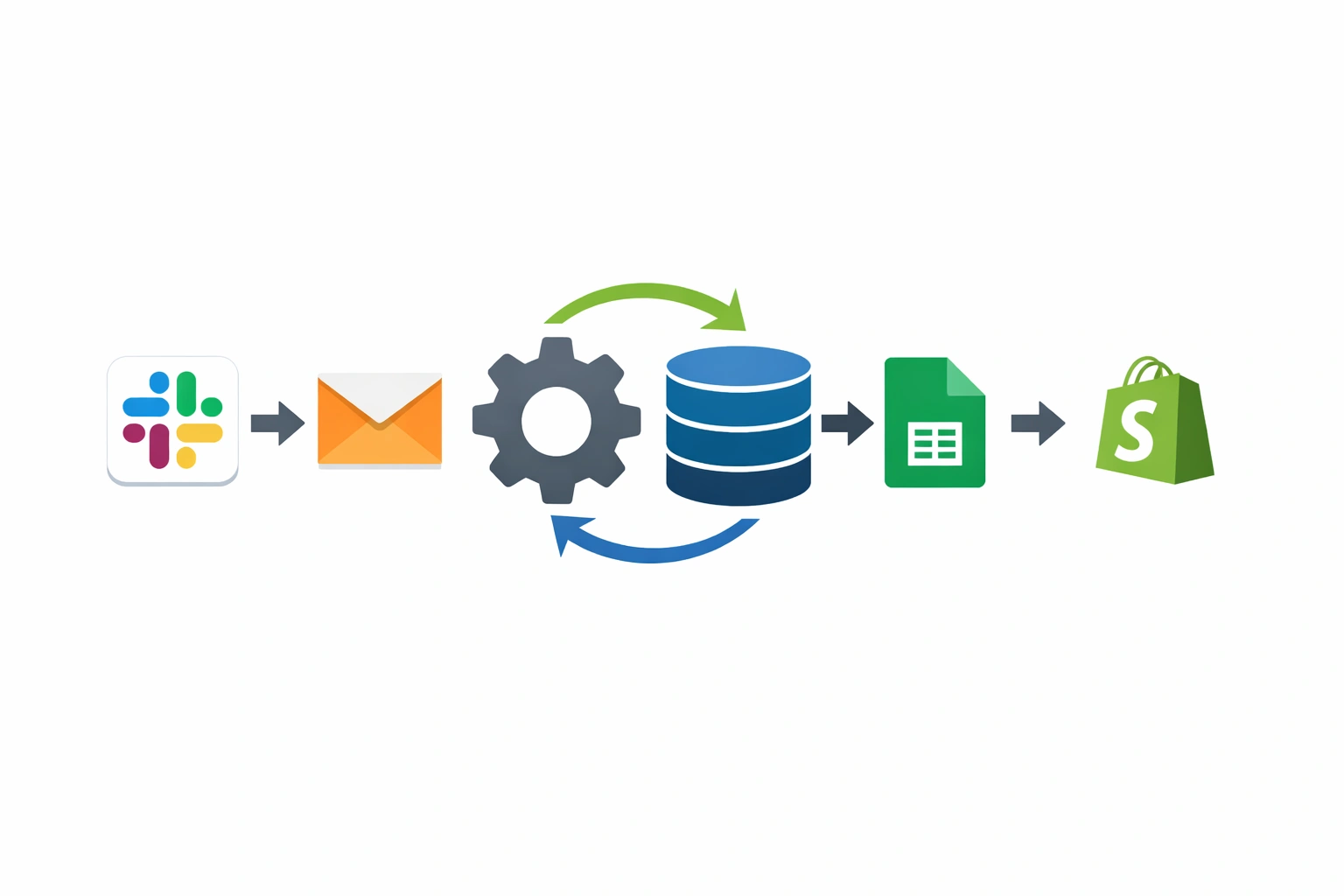
Local businesses don’t lose to competition, they lose to friction: missed follow-ups, manual data entry, and messy handovers.
- Forms → CRM automatically
- Booking → calendar → reminders
- Payments → invoices → accounting sync
- Support → notifications → assignment
- Zapier (easy automations)
- Make (more advanced workflows)
- Google Sheets automations (simple start)
- Power Automate (Microsoft ecosystem)
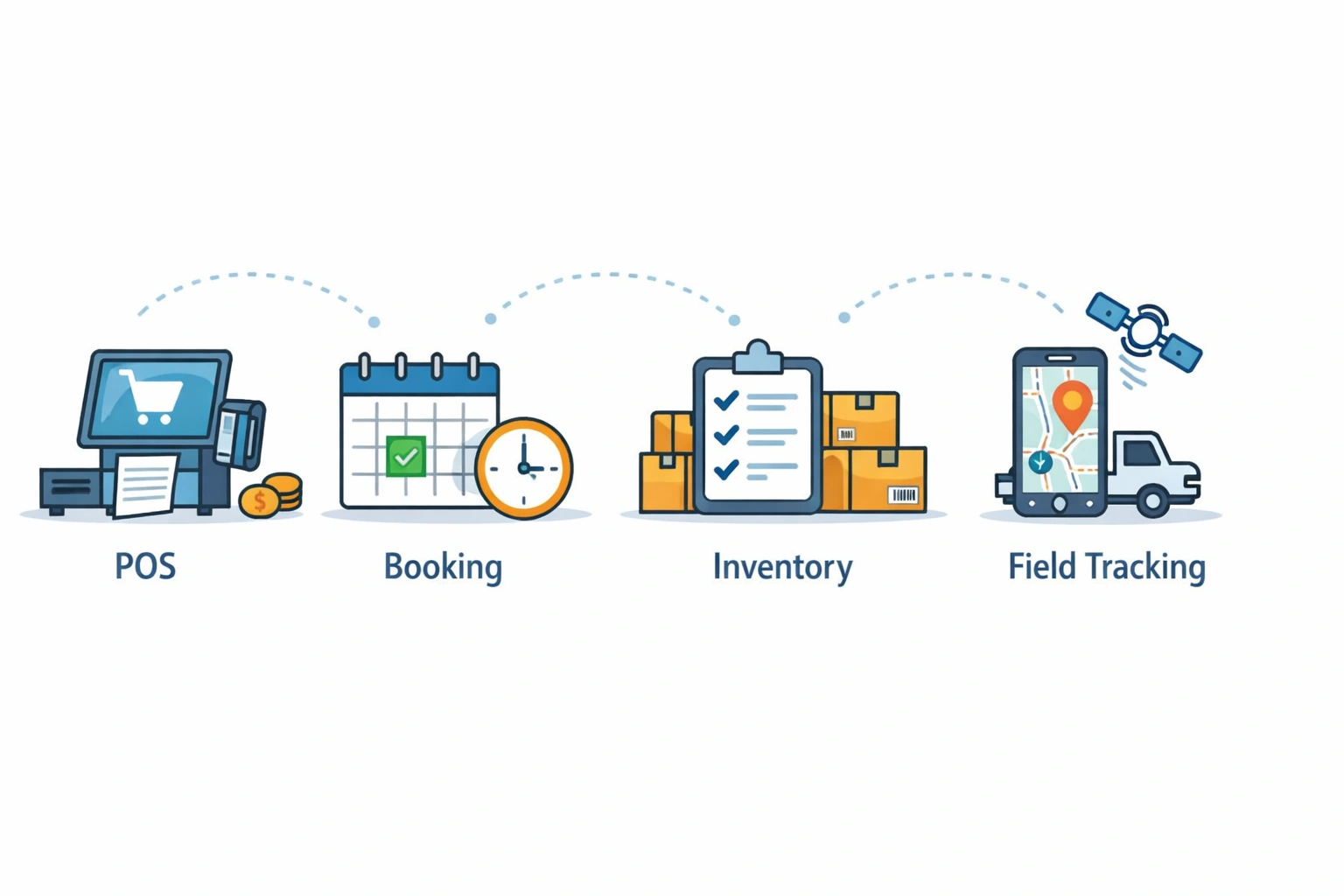
10) Local Ops Tech (POS, Booking, Inventory, Field Tracking)
Not every business needs IoT—but most local businesses benefit from better operational systems: POS, booking, inventory, delivery tracking, and staff scheduling.
- Fewer no-shows (reminders + deposits)
- Faster service (POS + order flow)
- Inventory visibility (avoid stock-outs)
- Field team updates (job status, photos, signatures)
- Square / Shopify POS (retail + hospitality)
- Zoho / Fresha / Mindbody (bookings depending on industry)
- ServiceM8 / Jobber (field services)
- Ubiquiti (reliable networking for shops/offices)
A Simple 2026 Local Business Adoption Roadmap (So You Don’t Overbuy Tools)
Phase 1 (0–30 days): Foundation
- MFA + password manager + backups
- Google Business Profile cleanup + review system
- Lead capture: forms/calls tracked + basic CRM pipeline
Phase 2 (30–90 days): Demand + conversion
- Website/landing pages focused on booking/quotes
- Payments upgrades (wallets, deposits, payment links)
- Automated follow-ups + review requests
Phase 3 (90–180 days): Efficiency + scale
- Integrations (forms → CRM → reminders)
- AI for one workflow (reply speed, content, admin)
- Operations tooling (booking/POS/inventory/field tracking)
FAQ
What should a local small business invest in first for 2026?
Start with leads + trust: Google Business Profile, review system, conversion tracking, a simple CRM pipeline, then payments + automation.
What’s the most important “tech trend” for local business growth?
Speed + trust: faster replies, better reviews, simpler booking/checkout, and basic security so you don’t get disrupted.
How do I avoid wasting money on tools?
Pick tools that connect, solve one clear problem, and show measurable ROI (more calls, higher bookings, time saved, fewer no-shows).
Conclusion: The 2026 Local Growth Stack Is “Fast, Trusted, Connected”
In 2026, local growth comes from a stack that does three things well:
- Gets you found (Google Business Profile + website + reviews)
- Converts faster (booking/quotes + payments + quick replies)
- Protects your business (security basics + backups + clean access)
If you adopt only one mindset this year, make it this:
Technology must reduce response time and increase trust—otherwise it’s just software.
List Your Business on Nearif and Reach Verified Local Customers
Get discovered by nearby customers, build trust with a verified profile, and grow your business locally.
Found this useful? Pass it on
More inTrends & Industry Insights