Why Local Businesses Are the Heart of Every Neighborhood
On this page (28 sections)
- Introduction
- Key Points to Remember
- Unique Identity
- Local Economy
- Personal Service
- Innovation
- Sustainability
- Property Values
- Community Development
- The Soul of Community Connection
- Economic Impact That Stays Local
- Ready to Amplify Your Local Business?
- Unique Character and Diversity
- Environmental Sustainability
- Personalized Service and Expertise
- Job Creation and Entrepreneurial Opportunities
- Community Investment and Social Responsibility
- Resilience and Adaptability
- Don't Miss Out on Local Customer Traffic!
- How You Can Support Local Businesses
- Shop Local First
- Spread the Word
- Engage Authentically
- Be Patient and Understanding
- Choose Local Services
- The Ripple Effect of Local Support
- Conclusion
- Frequently Asked Questions
Introduction
Walk down any vibrant neighborhood street, and you'll notice something special: the aroma of freshly baked bread from the corner bakery, the friendly wave from the bookstore owner who knows your reading preferences, and the buzz of conversation at the local coffee shop where neighbors gather. These aren't just businesses; they're the beating heart of communities that transform ordinary streets into places people proudly call home.
Local businesses do far more than provide goods and services. They weave the social fabric of neighborhoods, create jobs for community members, and give each area its distinct character. In an era dominated by big-box retailers and e-commerce giants, understanding why local businesses matter has never been more important.
Key Points to Remember
Unique Identity
Local businesses create unique neighborhood identities and foster community connections
Local Economy
Supporting local establishments keeps money circulating within your community
Personal Service
Small businesses provide personalized service and build lasting relationships
Innovation
Local entrepreneurs drive innovation and create employment opportunities
Sustainability
Neighborhood businesses contribute to environmental sustainability
Property Values
Community-focused shops enhance property values and neighborhood appeal
Community Development
Local business owners actively participate in community development
The Soul of Community Connection

Local businesses serve as gathering places where relationships flourish. Unlike impersonal chain stores, neighborhood shops foster genuine human connections. The barista who remembers your usual order, the hardware store owner who offers free advice on your home project, or the boutique owner who texts you when something in your style arrives—these interactions build community bonds that online shopping simply cannot replicate.
These establishments become third places—spaces beyond home and work where people socialize, exchange ideas, and build friendships. Whether it's a yoga studio, a family-owned restaurant, or a neighborhood pub, local businesses create environments where strangers become acquaintances and acquaintances become friends.
Economic Impact That Stays Local
of every $100 spent at local businesses stays in the community
of every $100 spent at chain stores stays in the community
When you spend money at a local business, you're investing directly in your community's prosperity. Studies consistently show that local businesses recirculate a greater share of every dollar back into the local economy compared to national chains. This multiplier effect occurs because local business owners typically purchase from other local suppliers, hire local employees, and use local services like accountants and lawyers.
For every $100 spent at local independent businesses, approximately $68 stays in the community, compared to only $43 when spent at chain stores. This means better funding for schools, improved infrastructure, and more resources for community programs. Local businesses also contribute significantly to the tax base that supports parks, libraries, emergency services, and other essential public amenities.
Ready to Amplify Your Local Business?
Claim Your 100% FREE Listing on Nearif Today!
Get discovered by local customers searching for businesses just like yours. No credit card required, no hidden fees—just pure visibility for your neighborhood business. Join thousands of local entrepreneurs who are already connecting with their community through Nearif.
Claim Your Free Listing NowUnique Character and Diversity
Local businesses give neighborhoods their distinctive personality. The vintage record shop, the family-owned ethnic grocery, the independent bookstore with carefully curated selections—these establishments create diversity and character that cookie-cutter chains cannot match. They reflect the tastes, cultures, and values of the communities they serve.
This diversity extends beyond aesthetics. Local entrepreneurs often take risks that larger corporations won't, offering specialized products, niche services, and innovative solutions tailored to their community's specific needs. They're more agile, adapting quickly to changing neighborhood preferences and filling gaps that larger retailers overlook.

Environmental Sustainability
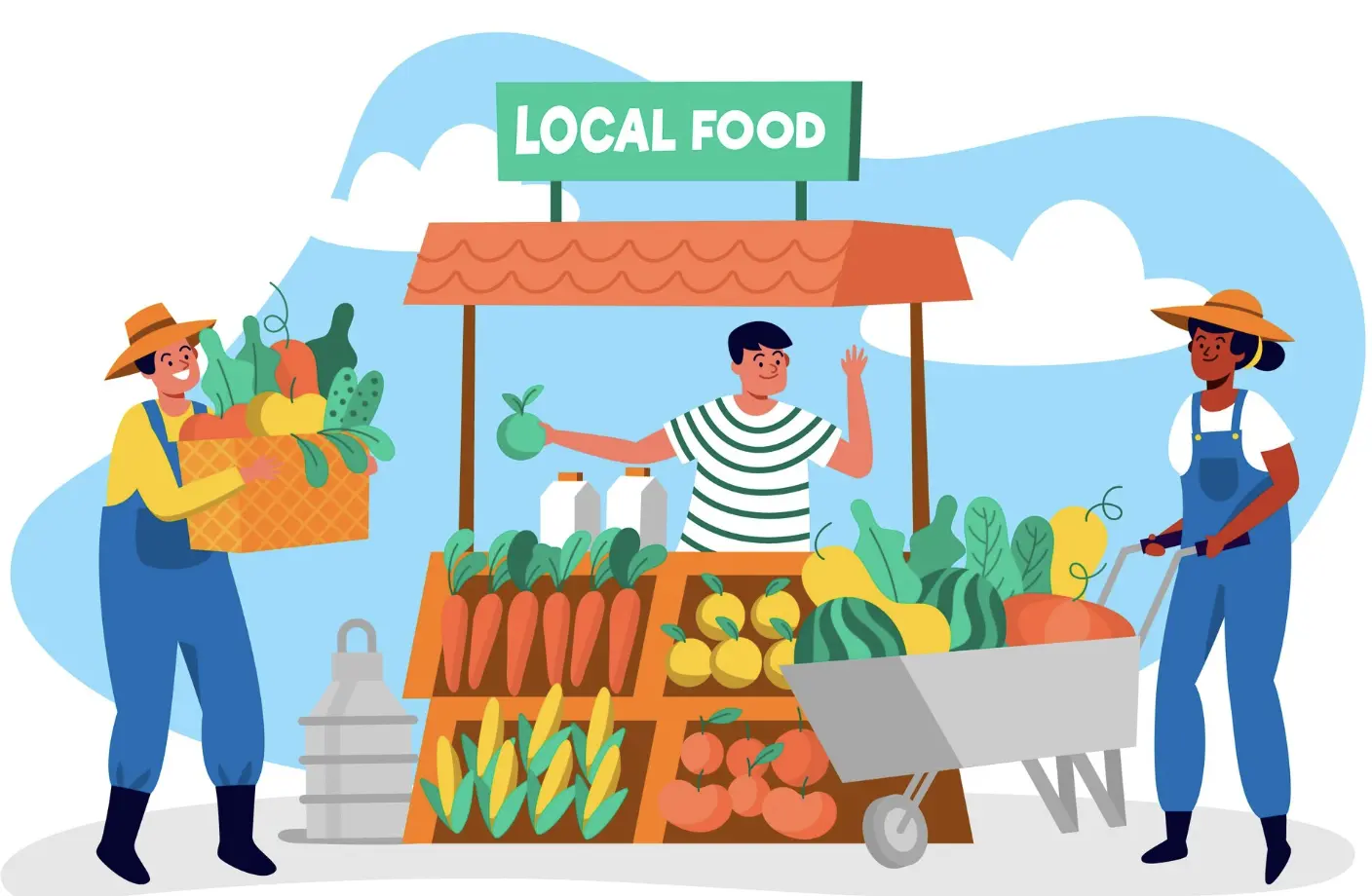
Supporting local businesses contributes to environmental sustainability in several ways. Neighborhood shops reduce the need for long-distance shipping and encourage walking or cycling instead of driving to distant shopping centers. Local food producers minimize transportation emissions and often employ more sustainable farming practices.
Furthermore, local businesses typically occupy existing buildings and infrastructure, reducing urban sprawl and preserving green spaces. They contribute to walkable, mixed-use neighborhoods that reduce dependence on automobiles, lowering carbon emissions and improving air quality.
Personalized Service and Expertise
Local business owners and their employees often possess deep expertise and genuine passion for their products or services. The independent hardware store staff can guide you through complex home repairs, the local boutique owner understands quality and fit, and the neighborhood mechanic takes pride in honest, reliable service.
This personalized attention creates better customer experiences and builds loyalty based on trust rather than convenience alone. Local businesses remember their customers, understand their preferences, and go the extra mile to ensure satisfaction—something difficult to find in standardized corporate environments.
Job Creation and Entrepreneurial Opportunities
Small businesses are the backbone of job creation, employing nearly half of the private workforce in many countries. These aren't just jobs; they're often opportunities for flexible schedules, career development, and learning diverse skills. Local businesses frequently hire from within the neighborhood, providing employment for residents who might face barriers working elsewhere.
Beyond employment, local businesses inspire entrepreneurship. Seeing neighbors successfully run their own ventures motivates others to pursue their dreams, creating a culture of innovation and self-determination that strengthens the entire community.

Community Investment and Social Responsibility
Local business owners live in the communities they serve. Their children attend local schools, they use local parks, and they rely on neighborhood services. This creates inherent motivation to invest in community well-being beyond profit margins.
Local businesses disproportionately support community causes, from sponsoring youth sports teams to donating to local charities, participating in neighborhood events, and supporting civic initiatives. They're stakeholders in the community's success, not just profit-seeking entities passing through.
Resilience and Adaptability

The COVID-19 pandemic demonstrated the remarkable resilience of local businesses. While they faced unprecedented challenges, many adapted creatively pivoting to online sales, offering curbside pickup, creating virtual experiences, and supporting each other through collaborative efforts. This adaptability stems from their direct connection to customers and deep understanding of community needs.
Local businesses also provide economic resilience by diversifying the commercial landscape. A neighborhood dependent on a single large employer or chain stores becomes vulnerable to corporate decisions made hundreds of miles away. A thriving mix of local businesses creates economic stability and reduces vulnerability to external shocks.
Don't Miss Out on Local Customer Traffic!
Your Business Deserves to Be Found—List It FREE on Nearif!
Whether you run a cozy café, a boutique salon, a repair shop, or any neighborhood service, Nearif puts you on the map where local customers are searching. Build your online presence, showcase your offerings, and grow your customer base all at absolutely no cost.
Claim Your Listing Now – It's 100% Free!How You Can Support Local Businesses
Shop Local First
Before making purchases online or at chains, check whether local businesses offer what you need. You might pay slightly more, but the community benefits are substantial.
Spread the Word
Leave positive reviews, recommend favorite local businesses to friends, and share their social media posts. Word-of-mouth marketing is invaluable for small businesses with limited advertising budgets.
Engage Authentically
Strike up conversations with owners, attend community events they host, and provide constructive feedback. Your engagement helps them improve and feel valued.
Be Patient and Understanding
Local businesses may have shorter hours, smaller inventories, or longer service times than corporate alternatives. This reflects their scale and personalized approach—attributes worth celebrating, not criticizing.
Choose Local Services
From accountants to web designers, plumbers to graphic artists, prioritize hiring local professionals. This keeps expertise and money within your community.
The Ripple Effect of Local Support
When you choose local businesses, you create ripples that extend far beyond the transaction. You're helping a family send their kids to college, enabling an entrepreneur to pursue their passion, supporting employees who live in your neighborhood, and contributing to the vibrancy that makes your community special.
These businesses, in turn, support other local ventures, creating an interconnected ecosystem of mutual benefit. The baker buys from the local farm, the farm uses the local accountant, the accountant shops at the local boutique—and so the cycle continues, strengthening the entire community.
Conclusion
Local businesses are far more than commercial entities—they're community anchors that foster connections, drive economic prosperity, preserve neighborhood character, and enhance quality of life. In their storefronts, restaurants, and offices, the story of our communities unfolds through personal interactions, shared experiences, and mutual support.
As consumers, we wield significant power through our purchasing decisions. Every dollar spent locally is a vote for vibrant, resilient, unique communities. It's an investment in relationships over transactions, quality over convenience, and community over corporate interests.
The next time you need a product or service, take a moment to consider the local option. Visit that neighborhood bookstore, dine at the family-owned restaurant, or hire the local contractor. In doing so, you're not just making a purchase—you're nurturing the heart of your neighborhood and ensuring it continues beating strong for generations to come.
Frequently Asked Questions
Not always. While some local businesses may have slightly higher prices due to smaller-scale operations, many offer competitive pricing, especially when you factor in quality, personalized service, and the economic benefits that stay in your community. Additionally, local businesses often provide better value through expertise, customization, and longer-lasting products.
Use local business directories like Nearif, ask neighbors for recommendations, explore your neighborhood on foot, check community social media groups, and look for local business associations. Many communities also host farmers markets and street fairs where local entrepreneurs gather.
Many local businesses have adapted to include online shopping, curbside pickup, and delivery services. During the pandemic, countless local establishments developed robust digital presences. Contact businesses directly or check their websites and social media to learn about their shopping options.
Neighborhoods with thriving local business districts typically see higher property values. Walkable areas with diverse, independent shops and restaurants are increasingly desirable, particularly among younger buyers. Local businesses enhance neighborhood appeal, convenience, and community character—all factors that boost real estate values.
Yes, through differentiation. Local businesses succeed by offering personalized service, specialized products, community connections, and unique experiences that large corporations cannot replicate. Their agility, local knowledge, and relationship-building capabilities are competitive advantages that matter to many consumers.
Start small by supporting the ones that do exist. Your patronage helps them thrive and may inspire other entrepreneurs. Consider advocating for policies that support local business development, attending city council meetings, and encouraging mixed-use development that includes space for local retailers and services.
Nearif provides free business listings that increase local visibility, helping customers discover neighborhood businesses when searching for products and services. By claiming a listing, local businesses can showcase their offerings, share their story, display contact information, and connect with community members actively looking for what they provide—all without any cost.
Found this useful? Pass it on
More inEvents and News