Top 50 Best Places to Visit in Nepal: A Complete Travel Guide
On this page (52 sections)
- Quick Season Guide for Nepal
- 1. Kathmandu Durbar Square
- 2. Bhaktapur Durbar Square
- 3. Patan Durbar Square
- 4. Pashupatinath Temple
- 5. Swayambhunath Stupa (Monkey Temple)
- 6. Boudhanath Stupa
- 7. Lumbini – Birthplace of Lord Buddha
- 8. Janaki Temple (Janakpur)
- 9. Manakamana Temple
- 10. Muktinath Temple
- 11. Pokhara Lakeside
- 12. Phewa Lake & Tal Barahi Temple
- 13. Sarangkot Viewpoint
- 14. Begnas & Rupa Lakes
- 15. Annapurna Base Camp (ABC)
- 16. Ghorepani–Poon Hill
- 17. Everest Base Camp (EBC)
- 18. Kala Patthar Viewpoint
- 19. Gokyo Lakes & Gokyo Ri
- 20. Nagarkot Hill Station
- 21. Chandragiri Hills
- 22. Rara Lake
- 23. Tilicho Lake
- 24. Gosaikunda Lake
- 25. Langtang Valley
- 26. Chitwan National Park
- 27. Bardia National Park
- 28. Shuklaphanta National Park
- 29. Koshi Tappu Wildlife Reserve
- 30. Pathibhara Devi Temple
- 31. Mardi Himal Trek
- 32. Bandipur Heritage Hill Town
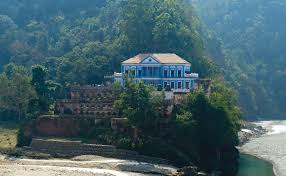
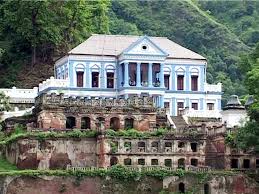
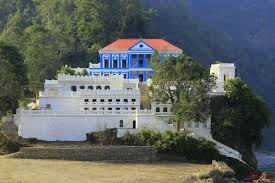
- 33. Tansen & Rani Mahal
- 34. Gorkha Palace & Manaslu Viewpoints
- 35. Manaslu Circuit
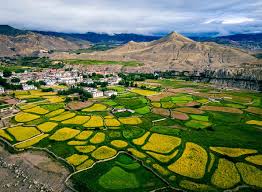
- 36. Upper Mustang – Lo Manthang
- 37. Khaptad National Park
- 38. Ilam Tea Gardens
- 39. Kalinchowk Bhagwati Temple
- 40. Siddha Gufa Cave
- 41. Kushma–Balewa & The Cliff Bungee
- 42. Last Resort Bungee (Bhote Koshi)
- 43. Trishuli & Bhote Koshi Rafting Spots
- 44. Ghorepani–Tadapani Waterfalls & Forest Trail
- 45. Namche Bazaar
- 46. Tengboche Monastery
- 47. Panauti Heritage Town
- 48. Taudaha Lake
- 49. World Peace Pagoda (Shanti Stupa) – Pokhara
- 50. Siddha Baba Temple & Butwal–Palpa Viewpoints
- Discover the best near you with Nearif
Nepal is a country where snow peaks, jungle safaris, ancient temples and peaceful lakes all fit into one compact map. On one trip you can watch sunrise over the Himalayas, walk through medieval palace squares, meditate at the birthplace of Buddha and end your day with a jungle sunset where rhinos come to drink.
To help you plan, here are 50 must-visit places in Nepal – religious sites, mountains, lakes, safaris, national parks, bungee spots, base camps, waterfalls and world heritage sites – with location, interesting facts and best time to visit.
Quick Season Guide for Nepal
- Best for trekking & mountain views: Autumn (September–November) and Spring (March–May).
- Best for Kathmandu & heritage cities: Late September–December and March–April (dry, clear skies).
- Best for jungle safaris (Chitwan, Bardia, etc.): October–March for pleasant weather and good wildlife sightings.
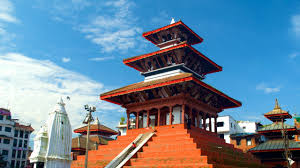
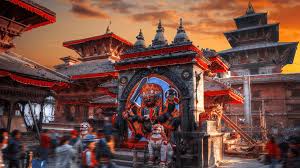
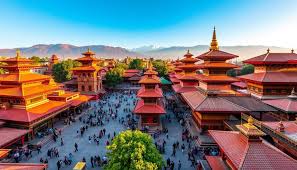
1. Kathmandu Durbar Square
Description: The historic royal plaza of old Kathmandu – full of pagoda temples, courtyards and palaces – and a UNESCO World Heritage Site.
Exact location: Basantapur area, heart of Kathmandu city, a short taxi ride south of Thamel.
Interesting fact: This square was once the seat of the Malla kings; you can still see the Kumari Ghar, home of the “Living Goddess.”
Best time to visit: October–April, early morning or late afternoon for softer light and fewer crowds.
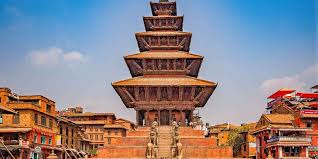
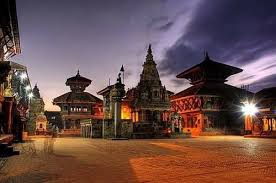
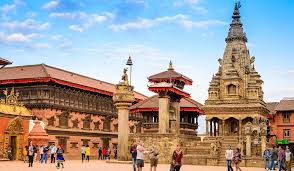
2. Bhaktapur Durbar Square
Description: A beautifully preserved medieval city square, often called an open-air museum for its architecture and craft traditions.
Exact location: Central Bhaktapur city, about 13 km east of Kathmandu on the Araniko Highway.
Interesting fact: The Nyatapola Temple here is one of the tallest pagoda temples in Nepal and survived the 2015 earthquake with minimal damage.
Best time to visit: October–April; come in the morning when the light is gentle and potters are already at work.
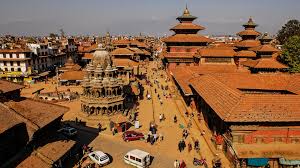
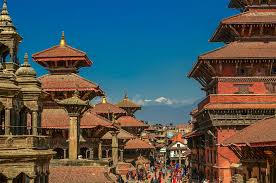
3. Patan Durbar Square
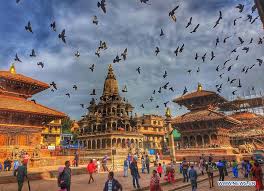
Description: A compact but art-rich square famed for Newari metalwork, stone sculptures and the Krishna Mandir in shikhara style.
Exact location: Central Lalitpur (Patan), just over the Bagmati River south of Kathmandu.
Interesting fact: The Patan Museum, inside the old palace, is considered one of South Asia’s best for Hindu–Buddhist art.
Best time to visit: October–April; late afternoon is perfect for warm tones on the temples.
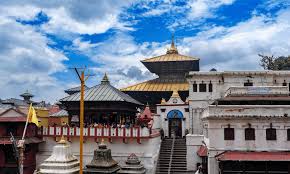
4. Pashupatinath Temple
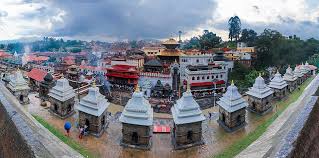
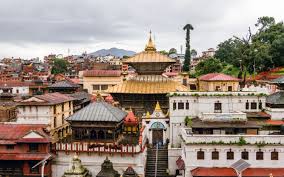
Description: Nepal’s most sacred Shiva temple, set on the Bagmati River, and a powerful place of Hindu rituals and cremation ghats.
Exact location: Gaushala area, east Kathmandu, near Tribhuvan International Airport.
Interesting fact: During Maha Shivaratri, over a million pilgrims and sadhus can visit Pashupatinath in a single festival.
Best time to visit: October–March for comfortable weather; evenings year-round for the Bagmati aarti.
5. Swayambhunath Stupa (Monkey Temple)
Description: An ancient hilltop stupa overlooking Kathmandu Valley, mixing Buddhist symbolism with mischievous monkeys and sweeping city views.
Exact location: Hill west of central Kathmandu, reachable by steep stone steps or a road to the top.
Interesting fact: Legends say Swayambhu arose spontaneously from a lotus when the valley was a lake.
Best time to visit: Sunrise or sunset, October–April, for clear views and cooler air climbing the steps.
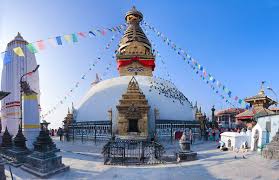
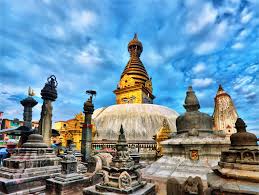
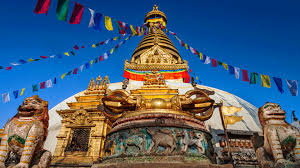
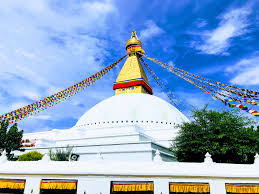
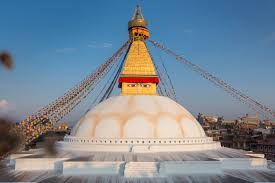
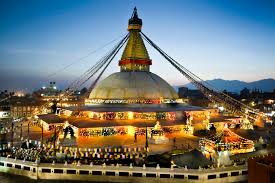
6. Boudhanath Stupa
Description: One of the world’s largest Buddhist stupas and the spiritual heart of Tibetan Buddhism in Nepal.
Exact location: Boudha area, northeast Kathmandu, just off the ring road.
Interesting fact: After the 1959 Tibetan uprising, many Tibetan refugees settled around Boudha, turning it into a mini-Tibet with monasteries and shops.
Best time to visit: Year-round; evenings in autumn and spring are magical when locals walk kora with butter lamps.
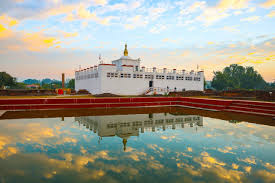
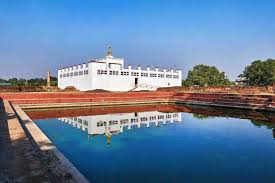
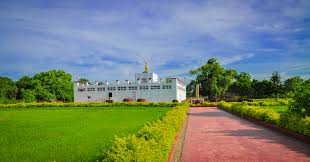
7. Lumbini – Birthplace of Lord Buddha
Description: Peaceful, lowland pilgrimage site marking the birthplace of Siddhartha Gautama, now a UNESCO World Heritage Site.
Exact location: Lumbini Sacred Garden, Lumbini town, near the Indian border in Rupandehi.
Interesting fact: Emperor Ashoka visited Lumbini around 249 BCE and left the Ashoka Pillar, which still stands next to the Maya Devi Temple.
Best time to visit: November–February for cooler days; avoid peak May–June heat if possible.
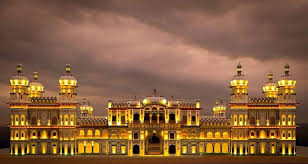
8. Janaki Temple (Janakpur)
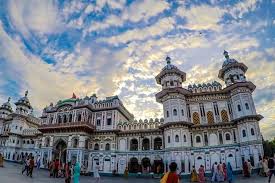
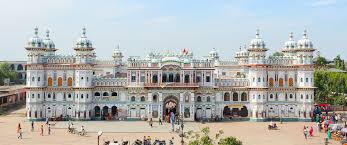
Description: A grand palace-style Hindu temple dedicated to Goddess Sita, known as the “Naulakha Mandir” for its historical cost.
Exact location: Centre of Janakpurdham city, Dhanusha, in the eastern Terai.
Interesting fact: The Vivah Panchami festival here re-enacts the wedding of Ram and Sita with huge processions from India and Nepal.
Best time to visit: October–March; especially during Vivah Panchami (Nov/Dec) for the full cultural experience.
9. Manakamana Temple
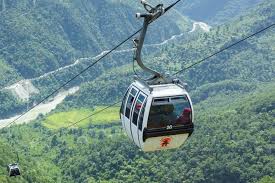
Description: A popular wish-fulfilling temple of Goddess Bhagwati on a ridge above the Trishuli River.
Exact location: Top station of the Manakamana Cable Car, above Kurintar on the Kathmandu–Pokhara highway.
Interesting fact: Before the cable car was built, pilgrims hiked for hours uphill – making the modern ride feel almost miraculous.
Best time to visit: October–April when hills are clear; mornings for views before clouds build.
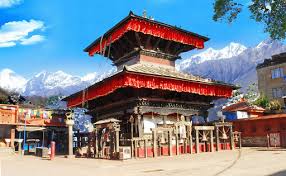
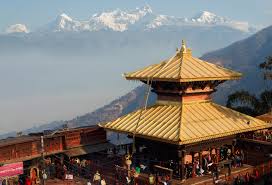
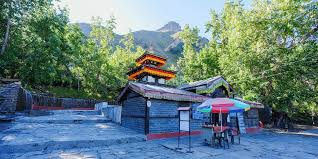
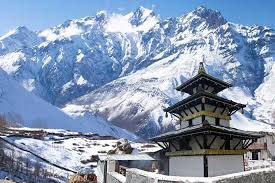
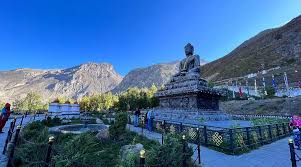
10. Muktinath Temple
Description: High-altitude pilgrimage site sacred to both Hindus and Buddhists, symbolising liberation (moksha).
Exact location: Ranipauwa/Muktinath area, above Jomsom in Mustang, on the Annapurna Circuit route.
Interesting fact: The temple has 108 water spouts shaped like cow heads; pilgrims bathe here despite the icy temperature.
Best time to visit: March–May and September–November, avoiding heavy winter snow and monsoon.
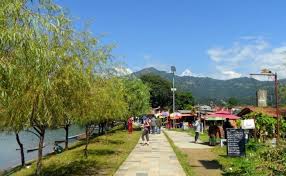
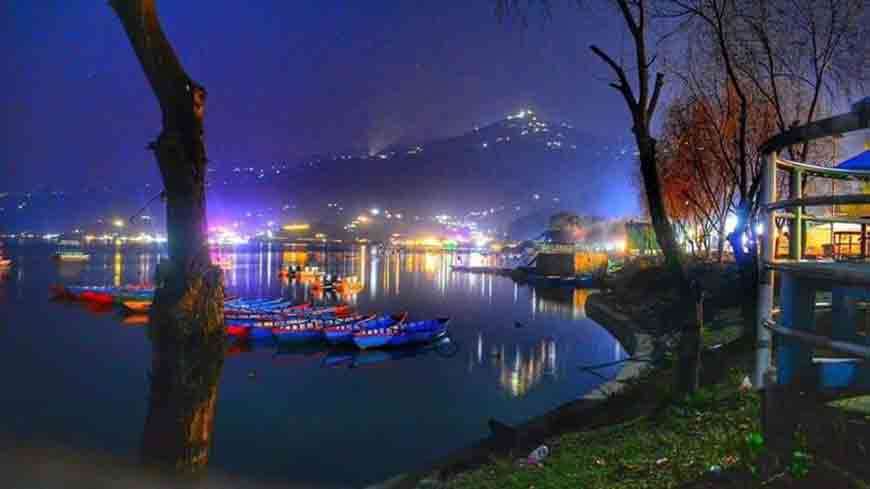
11. Pokhara Lakeside
Description: Nepal’s relaxing adventure town and trekking hub, wrapped around the shore of Phewa Lake with constant mountain views.
Exact location: Lakeside area of Pokhara city, Kaski, about 200 km west of Kathmandu.
Interesting fact: On clear mornings, you can see the reflection of Machhapuchhre (Fishtail) and the Annapurna range on the lake’s surface.
Best time to visit: October–April for crisp views; May–June evenings are pleasant but more humid.
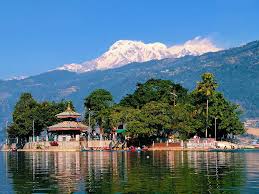
12. Phewa Lake & Tal Barahi Temple
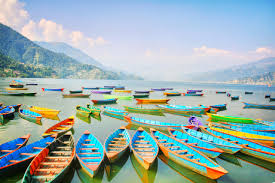
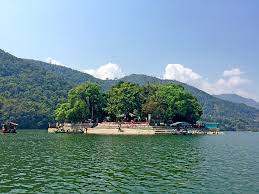
Description: A calm freshwater lake in Pokhara with an island temple dedicated to Goddess Barahi.
Exact location: Central Pokhara; boats depart from Lakeside ghats to the island temple.
Interesting fact: Locals believe worship at Tal Barahi helps protect Pokhara from disasters and bring prosperity.
Best time to visit: October–April; take boat rides early morning or before sunset for reflections and soft light.
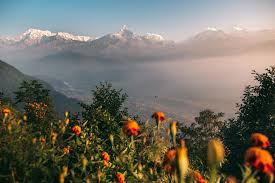
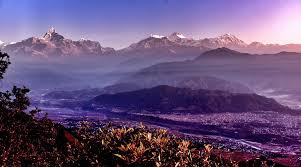
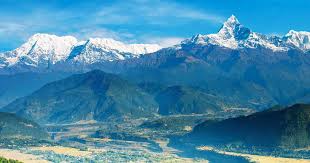
13. Sarangkot Viewpoint
Description: A hilltop ridge famous for some of the best sunrise and sunset views of the Annapurna and Dhaulagiri ranges.
Exact location: About 8–10 km above Pokhara city; reachable by road or hike.
Interesting fact: Sarangkot is one of the top paragliding take-off points in the world, with flights landing near Phewa Lake.
Best time to visit: October–April; arrive before sunrise or sunset for the colour change on the peaks.
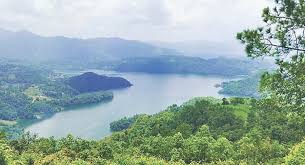
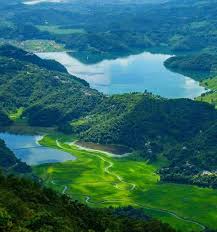
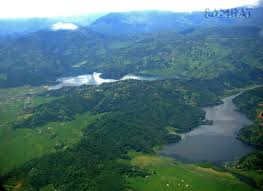
14. Begnas & Rupa Lakes
Description: Twin lakes east of Pokhara offering a quieter, rural alternative to busy Lakeside.
Exact location: About 15–20 km east of Pokhara; accessible by local bus or taxi.
Interesting fact: Unlike Phewa, parts of Begnas have fish farms – you can eat fresh fish at small lakeside eateries.
Best time to visit: October–April for clear views; misty mornings in winter can be very atmospheric.
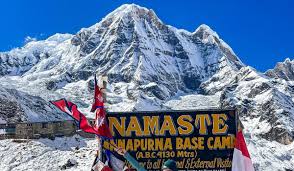
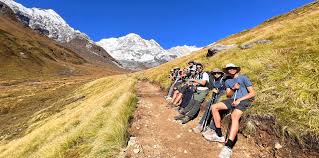
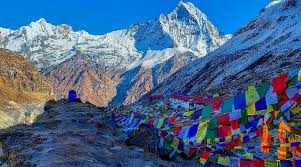
15. Annapurna Base Camp (ABC)
Description: A natural amphitheatre of 7,000–8,000 m peaks surrounding a wide glacial basin – one of Nepal’s classic base camp treks.
Exact location: Annapurna Sanctuary above Chomrong, accessed via trek from the Pokhara side.
Interesting fact: From ABC you’re almost encircled by peaks, including Annapurna I (8,091 m), Hiunchuli and Machhapuchhre.
Best time to visit: March–May and September–November for stable weather and clear views.
16. Ghorepani–Poon Hill
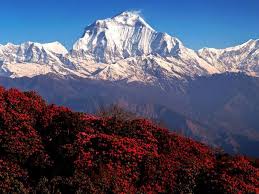
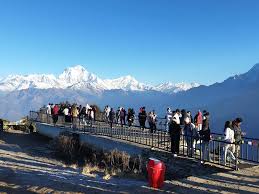
Description: A short but rewarding trek known for sunrise views over Dhaulagiri and Annapurna and for spring rhododendron forests.
Exact location: Trailheads at Nayapul/Ulleri from Pokhara, with Poon Hill viewpoint above Ghorepani village.
Interesting fact: Despite being “only” about 3,200 m, the panorama from Poon Hill rivals many higher treks.
Best time to visit: March–May (flowers) and September–November (clearest views).
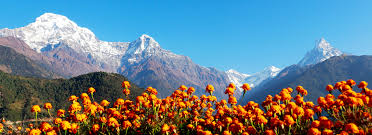
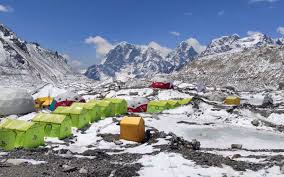
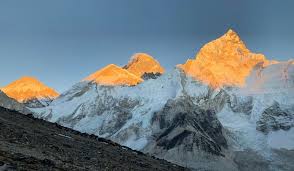
17. Everest Base Camp (EBC)
Description: Iconic trekking destination at the foot of the world’s highest mountain, passing through Sherpa villages and glaciers.
Exact location: Above Gorak Shep village in the Khumbu region; reached via Lukla–Namche–Tengboche trekking route.
Interesting fact: The “base camp” moves slightly each climbing season as the Khumbu Glacier slowly shifts.
Best time to visit: March–May and late September–November, outside the heaviest snow and monsoon.
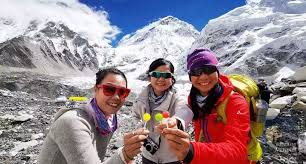
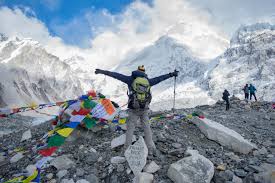
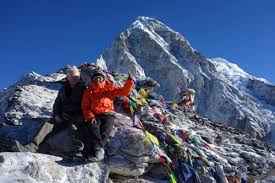
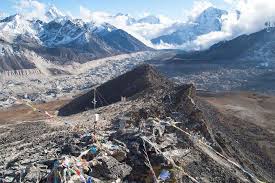
18. Kala Patthar Viewpoint
Description: Rocky hill near EBC offering one of the closest, most photogenic viewpoints of Everest and surrounding giants.
Exact location: Above Gorak Shep in the Khumbu region, usually climbed early morning.
Interesting fact: The view of Everest from Kala Patthar is often clearer than from EBC because you see more of the summit.
Best time to visit: Same as EBC – spring and autumn for stable weather and visibility.
19. Gokyo Lakes & Gokyo Ri
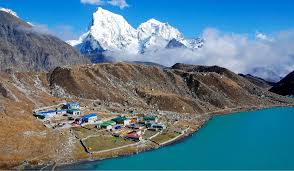
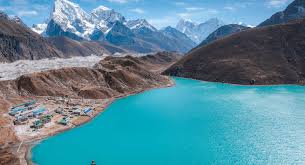
Description: A chain of turquoise glacial lakes with a superb viewpoint (Gokyo Ri) that many consider even better than the classic EBC view.
Exact location: Gokyo Valley, west of the main Everest trail, Khumbu region.
Interesting fact: The Gokyo Lakes are considered sacred; many pilgrims bathe a few times a year despite the icy temperatures.
Best time to visit: March–May and September–November; lakes look especially striking in bright autumn skies.
20. Nagarkot Hill Station
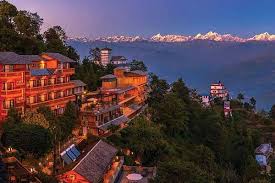
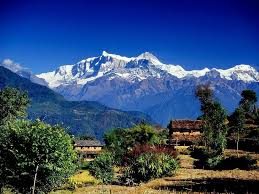
Description: A peaceful ridge-top getaway famous for Himalayan sunrise views close to Kathmandu.
Exact location: Nagarkot town, about 27 km east of Kathmandu, past Bhaktapur.
Interesting fact: On exceptionally clear days, distant views of Everest are possible from some viewpoints in Nagarkot.
Best time to visit: October–April; cool, dry air gives the best chance of clear mountain vistas.
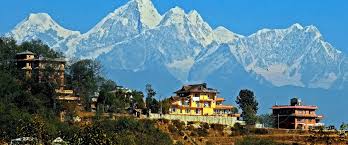
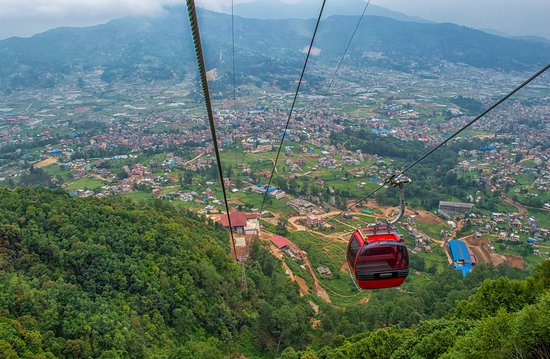
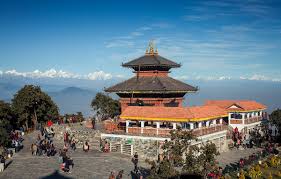
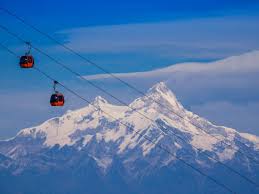
21. Chandragiri Hills
Description: A modern cable-car hilltop with a Shiva temple, skywalk and panoramic view of Kathmandu Valley and snow peaks.
Exact location: Thankot–Chandragiri cable car, southwest rim of Kathmandu Valley.
Interesting fact: Locals say King Prithvi Narayan Shah first saw Kathmandu Valley from this hill and decided to conquer it.
Best time to visit: October–April for clear views; visit midday for strong mountain visibility, sunset for warm colours.
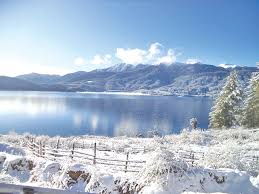
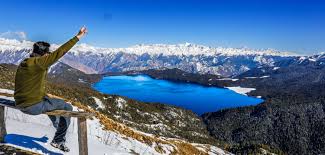
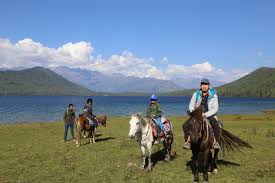
22. Rara Lake
Description: Remote alpine lake in western Nepal, surrounded by pine forests and meadows – often called one of Nepal’s most beautiful lakes.
Exact location: Rara National Park, near Talcha airstrip in Mugu District.
Interesting fact: Rara is the largest lake inside Nepal’s borders.
Best time to visit: Spring (March–May) and autumn (September–November) for pleasant temperatures and clear skies.
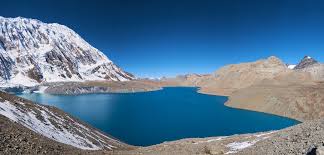
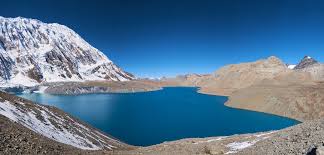
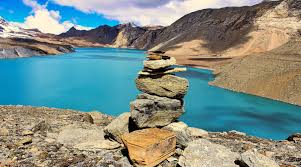
23. Tilicho Lake
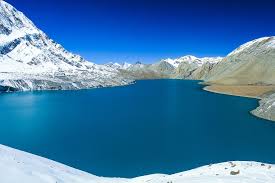
Description: One of the world’s highest lakes trekked regularly, set in a stark, dramatic basin of rock and ice.
Exact location: Side trip from the Annapurna Circuit, above Manang in the Annapurna region.
Interesting fact: For years, Tilicho was believed to be the highest lake in the world; although that’s debated, it remains one of the most spectacular.
Best time to visit: March–May and September–November; winter snow and monsoon can make the trail dangerous.
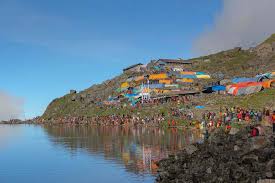
24. Gosaikunda Lake
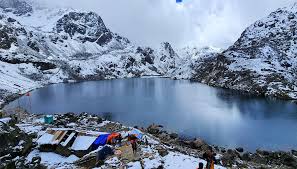
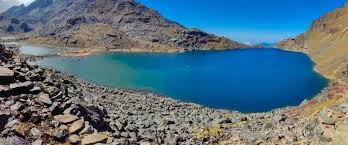
Description: A sacred Himalayan lake linked to Lord Shiva, visited by both trekkers and Hindu pilgrims.
Exact location: High in Langtang National Park, usually reached via Dhunche or Sundarijal trekking routes.
Interesting fact: During the Janai Purnima festival, thousands of pilgrims hike up to bathe in the icy waters for spiritual purification.
Best time to visit: March–May and September–November for trekking; August around Janai Purnima for the festival if you can handle crowds and cold water.
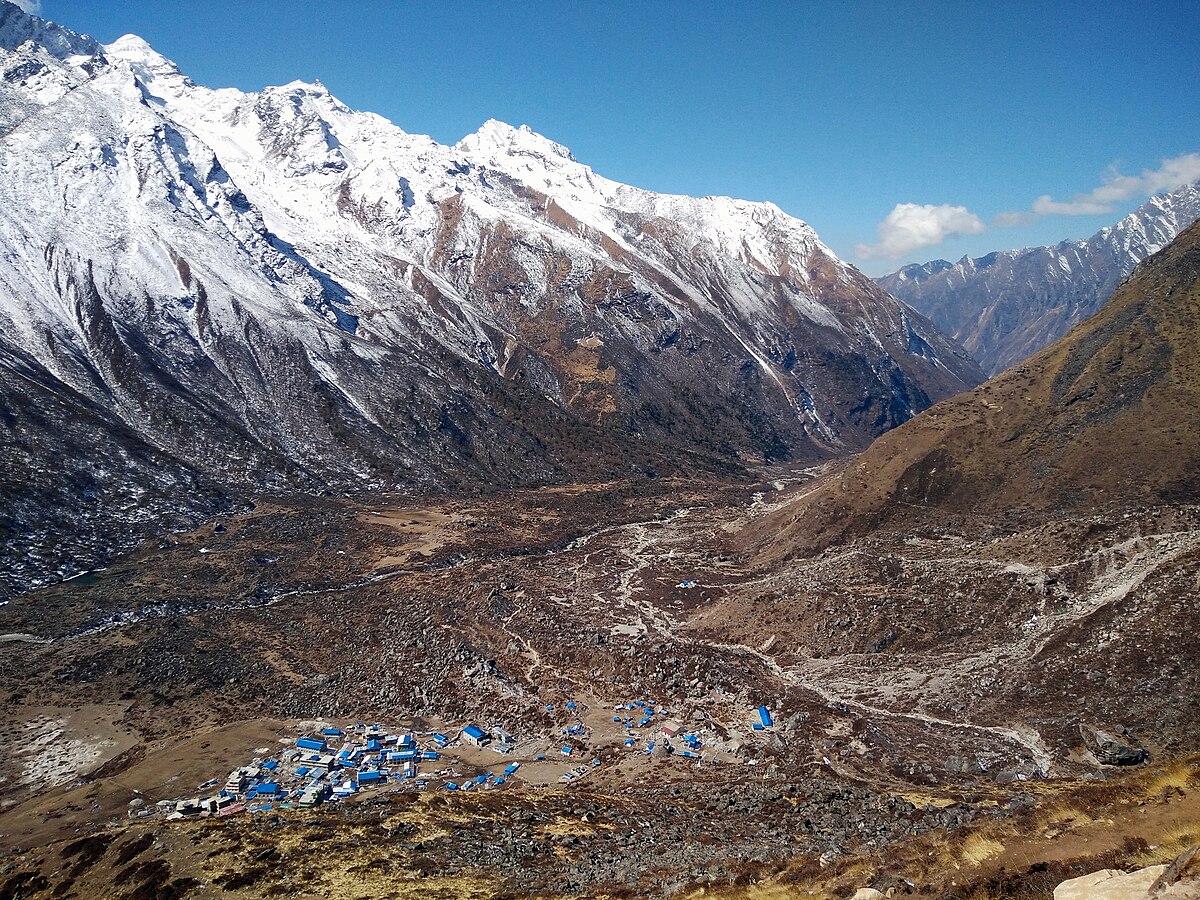
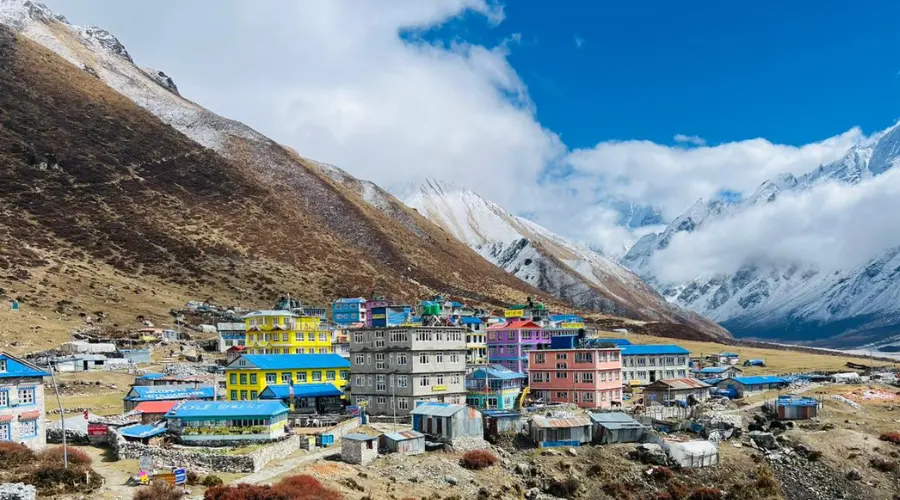
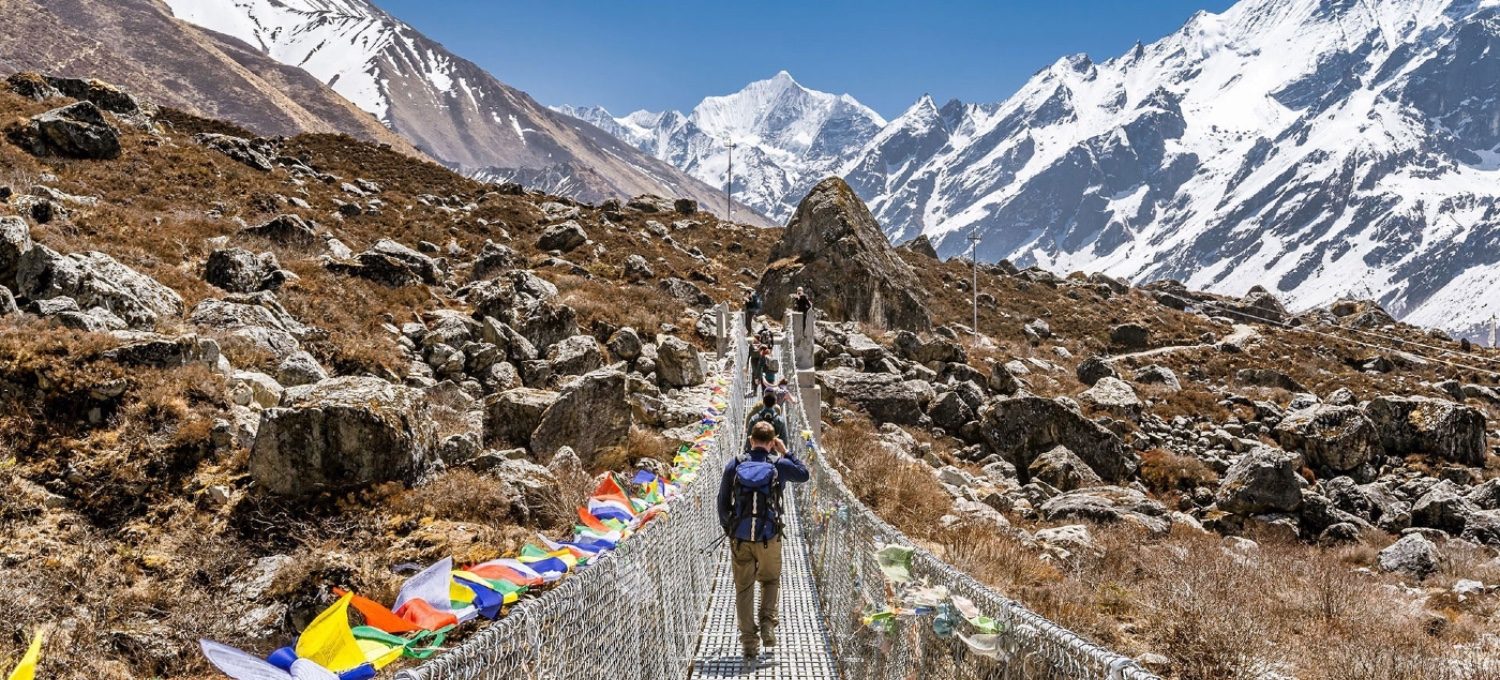
25. Langtang Valley
Description: A scenic valley trek close to Kathmandu with Tamang villages, yak pastures and views of Langtang Lirung.
Exact location: North of Kathmandu; trailhead at Syabrubesi in Rasuwa.
Interesting fact: After the 2015 earthquake and landslide, Langtang village was rebuilt, and trekking here supports local recovery.
Best time to visit: March–May (flowers and mild temperatures) and September–November (clearest views).
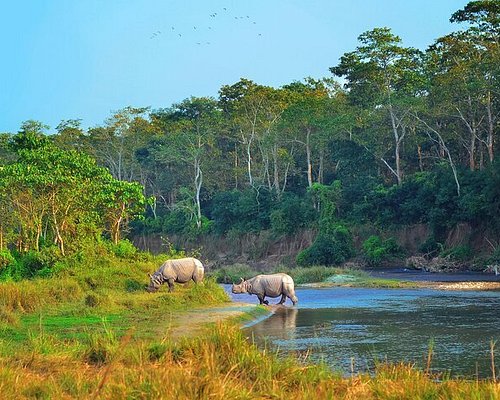
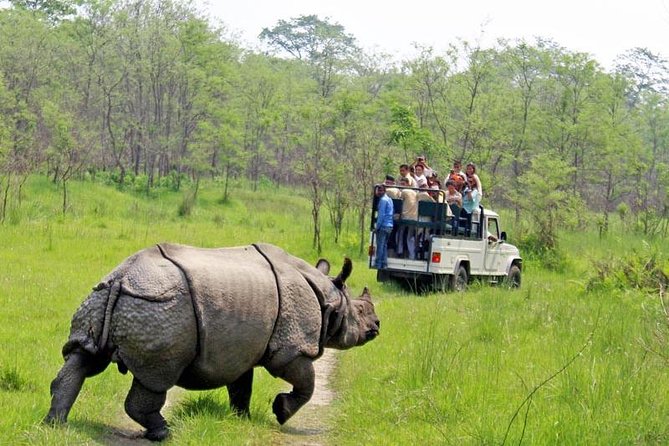
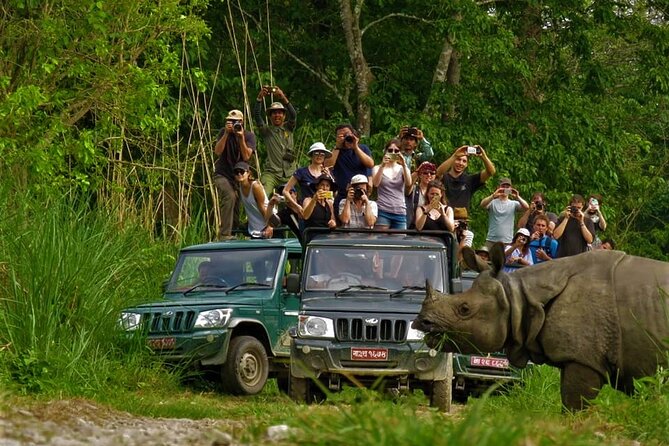
26. Chitwan National Park
Description: Nepal’s first national park and a UNESCO World Heritage Site, known for rhinos, crocodiles and jungle safaris.
Exact location: Central Terai lowlands; main tourist hubs are Sauraha and Meghauli.
Interesting fact: Chitwan hosts one of the world’s most successful one-horned rhino conservation stories, with populations recovering strongly in recent decades.
Best time to visit: October–March for pleasant 25°C weather and great wildlife viewing; April–May is hotter but animals gather more at water sources.
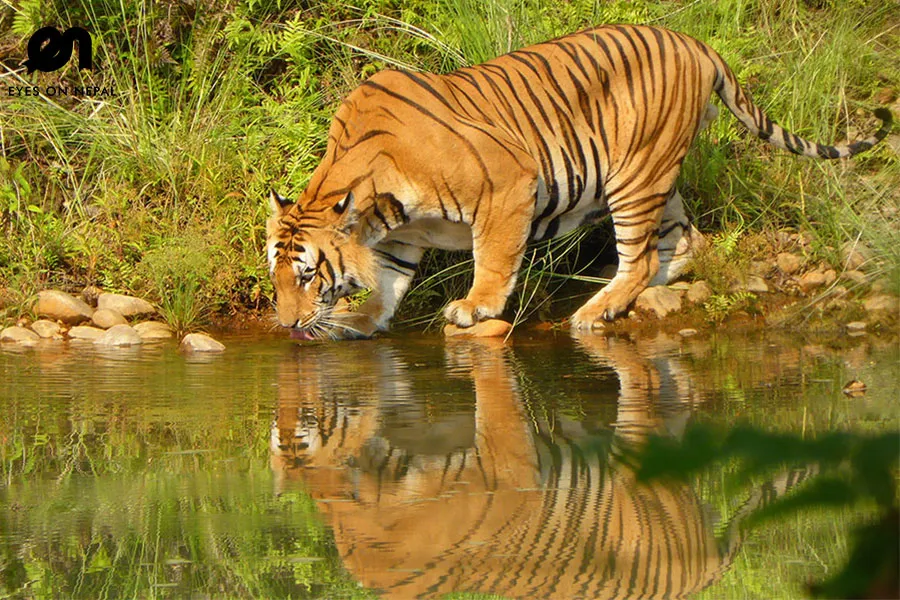
27. Bardia National Park
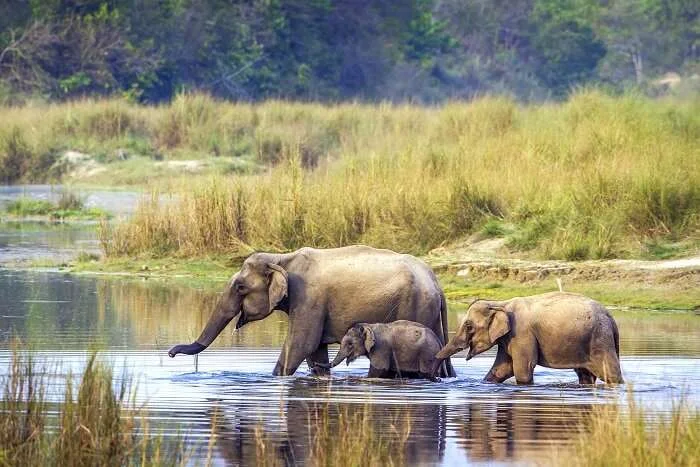
Description: A wilder, less crowded jungle park with excellent chances of seeing tigers, elephants and dolphins.
Exact location: Western Terai; access via Nepalgunj or Dhangadhi then drive to Thakurdwara.
Interesting fact: Many travellers report better tiger sightings here than in Chitwan due to lower tourist pressure.
Best time to visit: March–May and September–November; cool, dry months make long safaris comfortable.
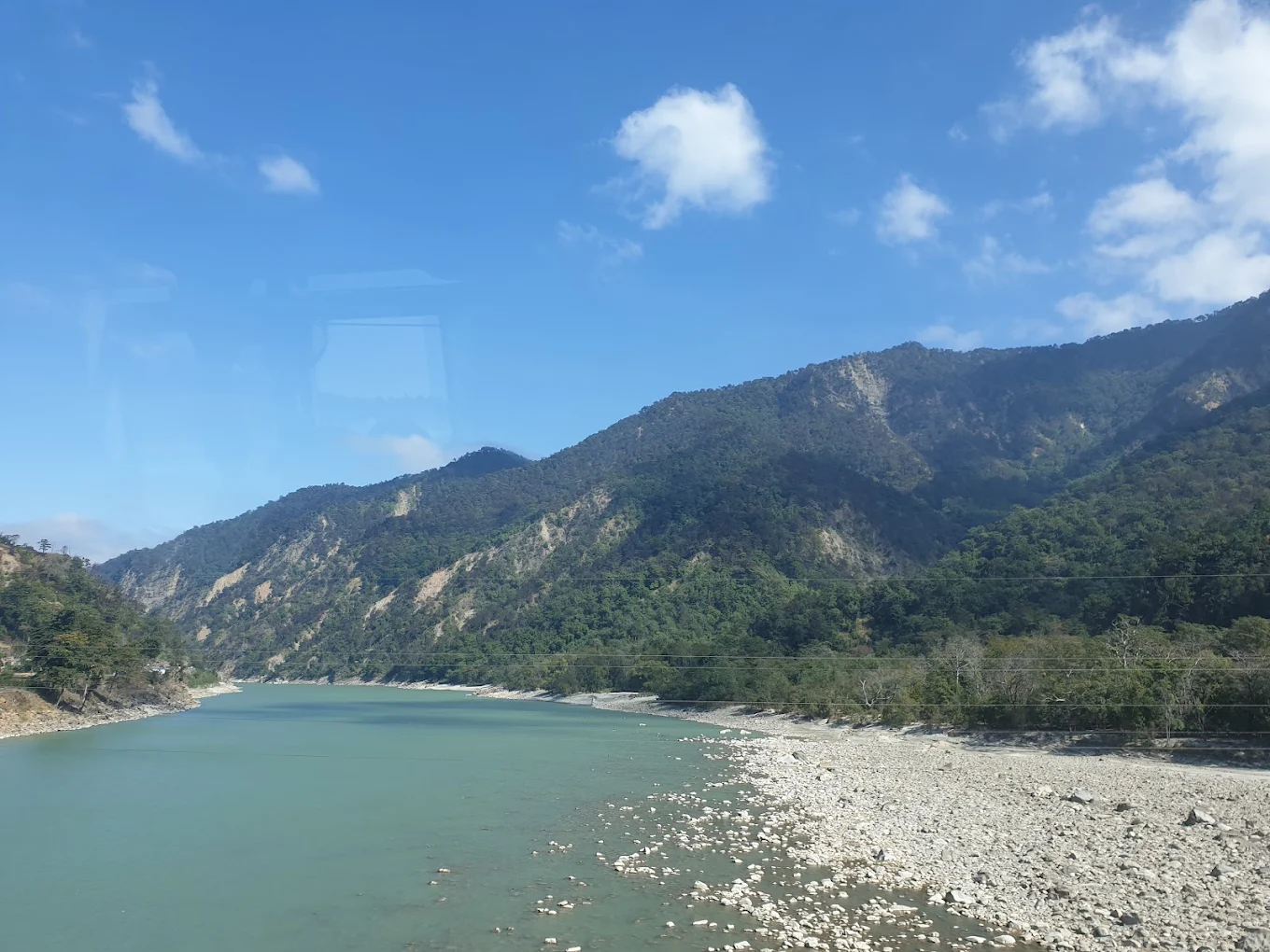
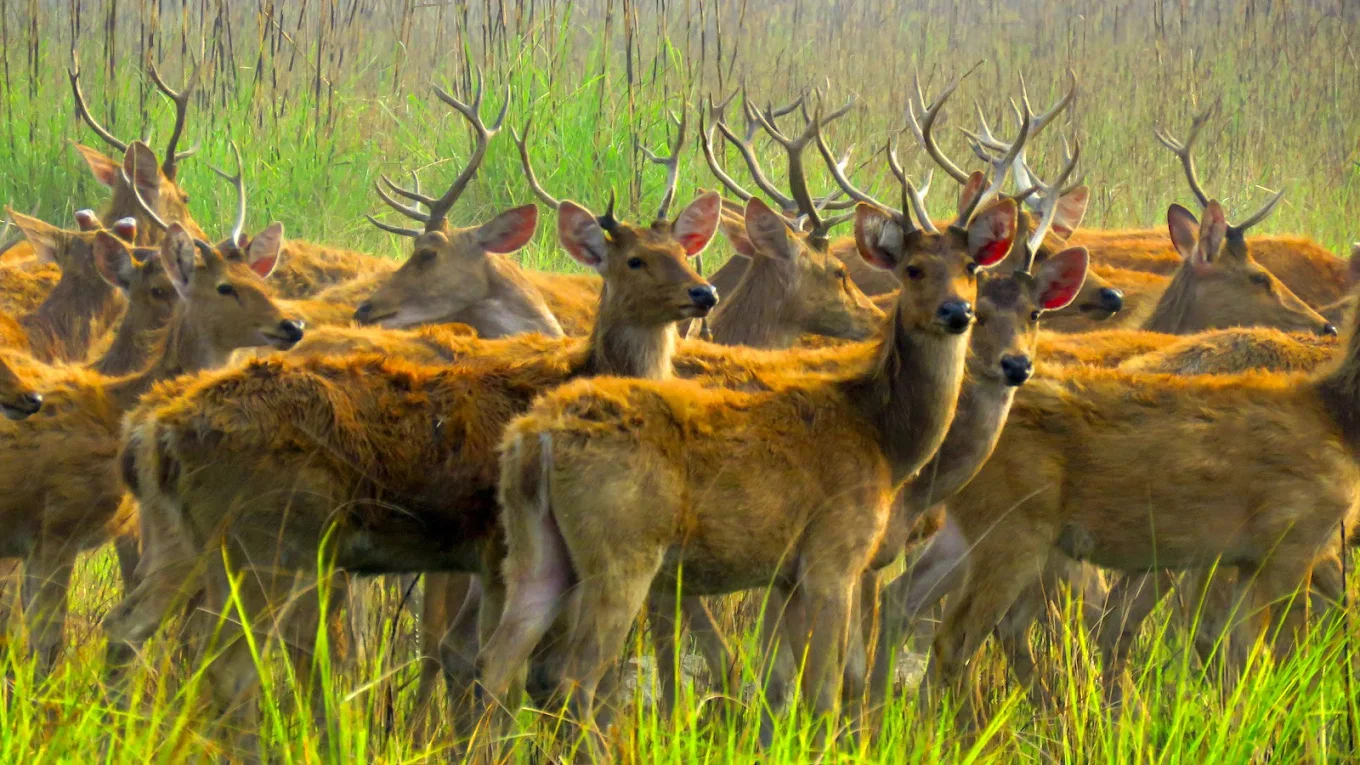
28. Shuklaphanta National Park
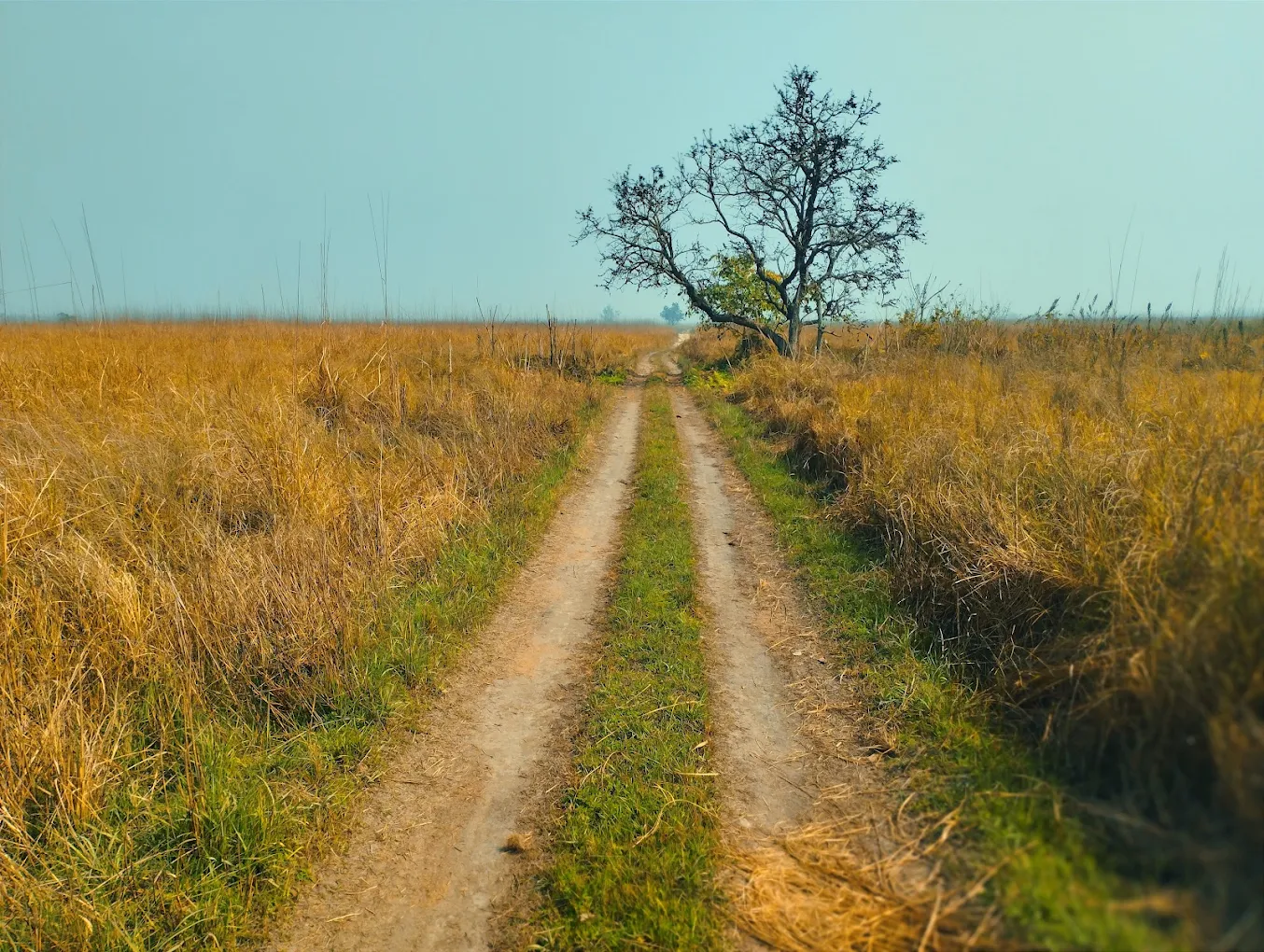
Description: Grassland park in far-western Nepal known for large herds of swamp deer and rich birdlife.
Exact location: Kanchanpur District, near Mahendranagar city; close to the Indian border.
Interesting fact: The Shuklaphanta grassland was once a royal hunting reserve; now it’s a protected conservation area.
Best time to visit: November–March for cooler, dry conditions and clear views over the grasslands.
29. Koshi Tappu Wildlife Reserve
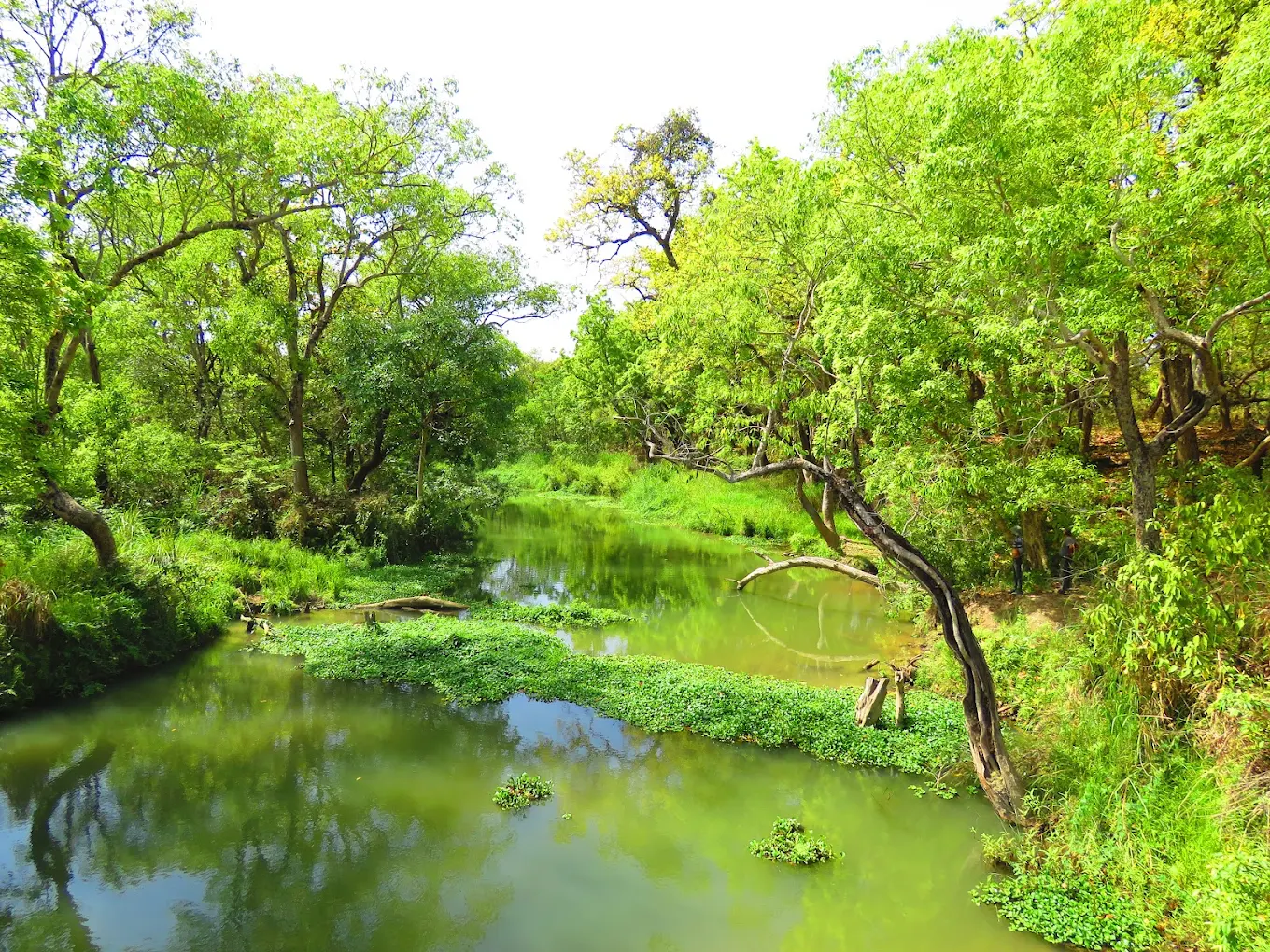
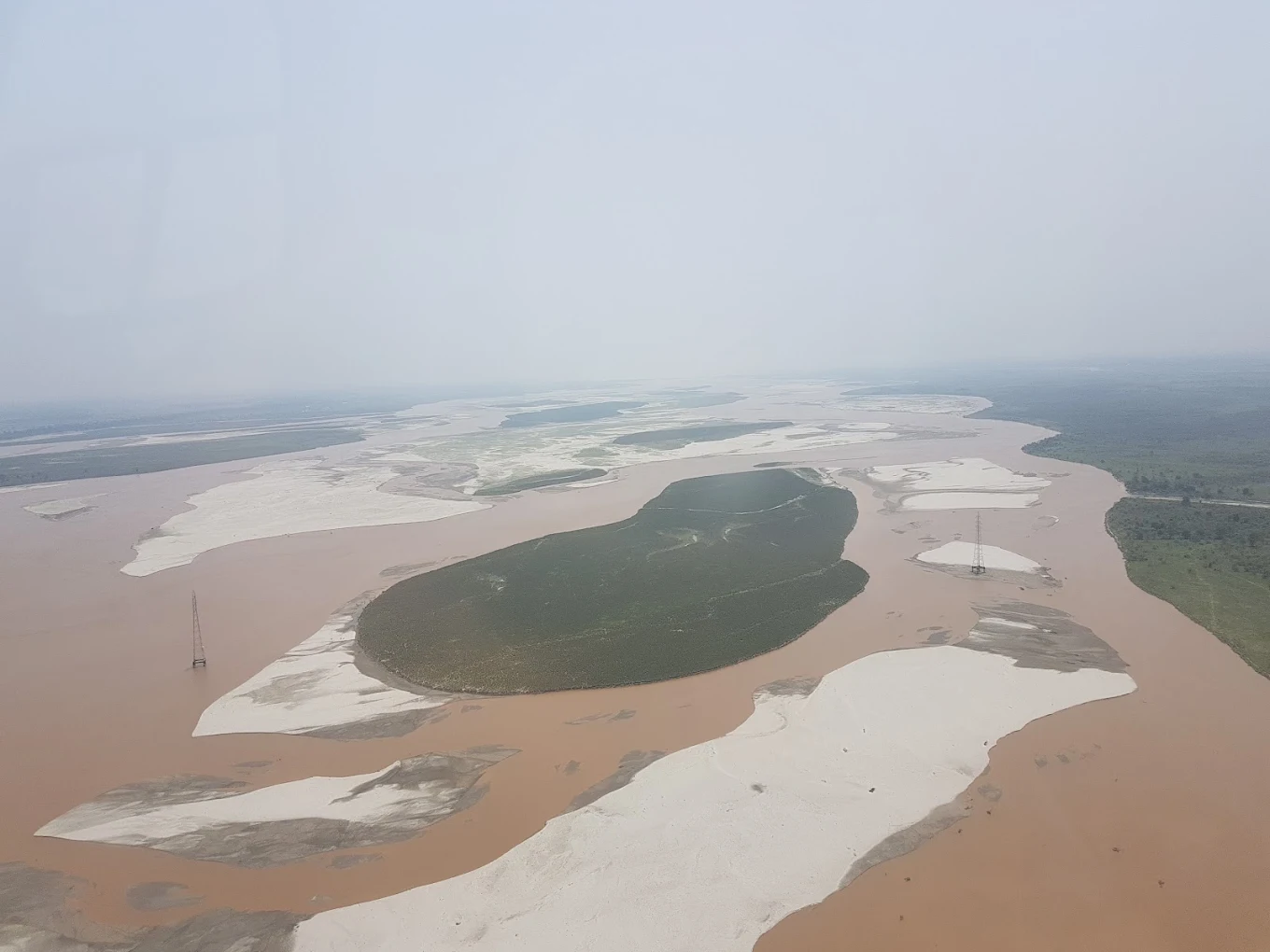
Description: Wetland haven for birdwatchers on the floodplains of the Sapta Koshi River.
Exact location: Eastern Terai across Sunsari, Saptari and Udayapur; nearest major town is Biratnagar/Itahari.
Interesting fact: Over 500 bird species have been recorded here, including rare migratory waterfowl.
Best time to visit: November–February when migratory birds arrive and temperatures are mild.
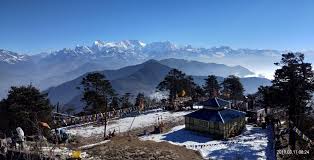
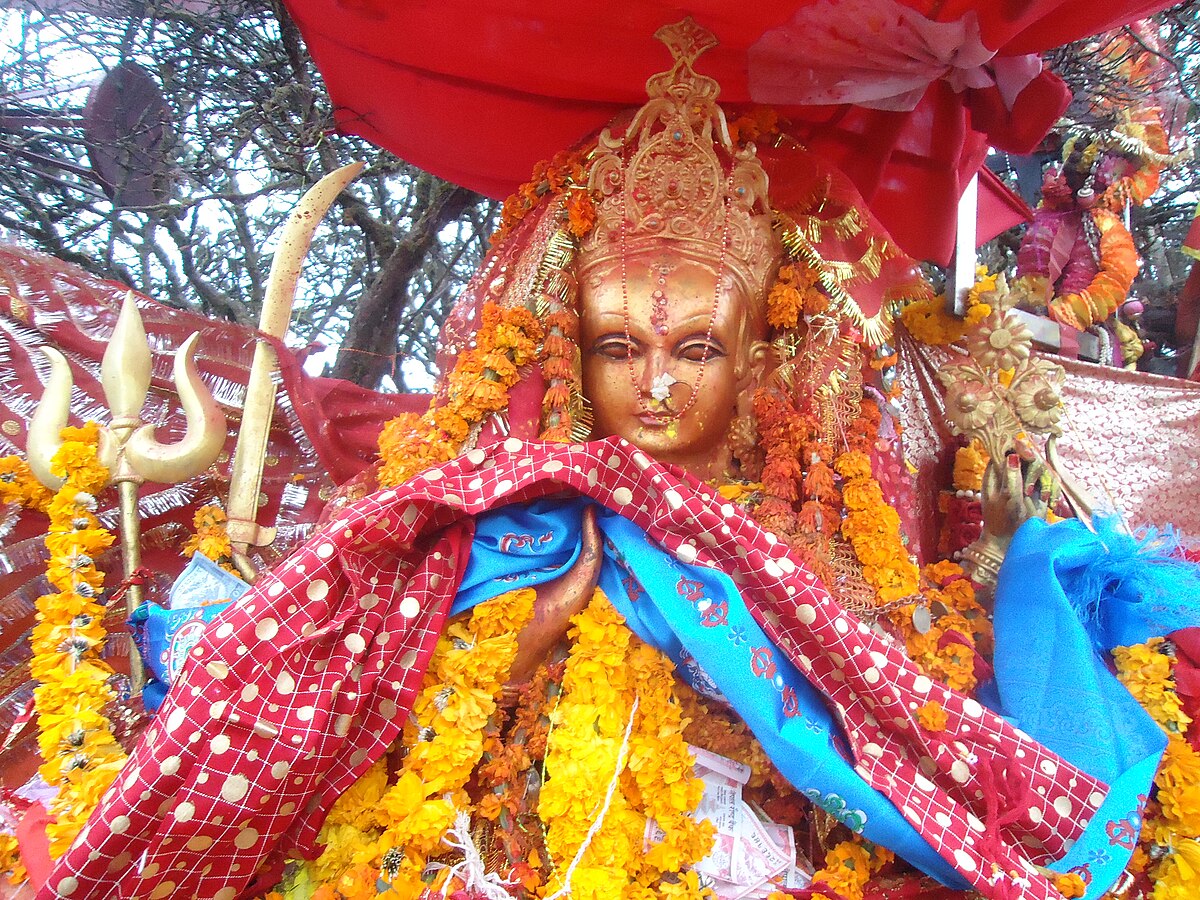
30. Pathibhara Devi Temple
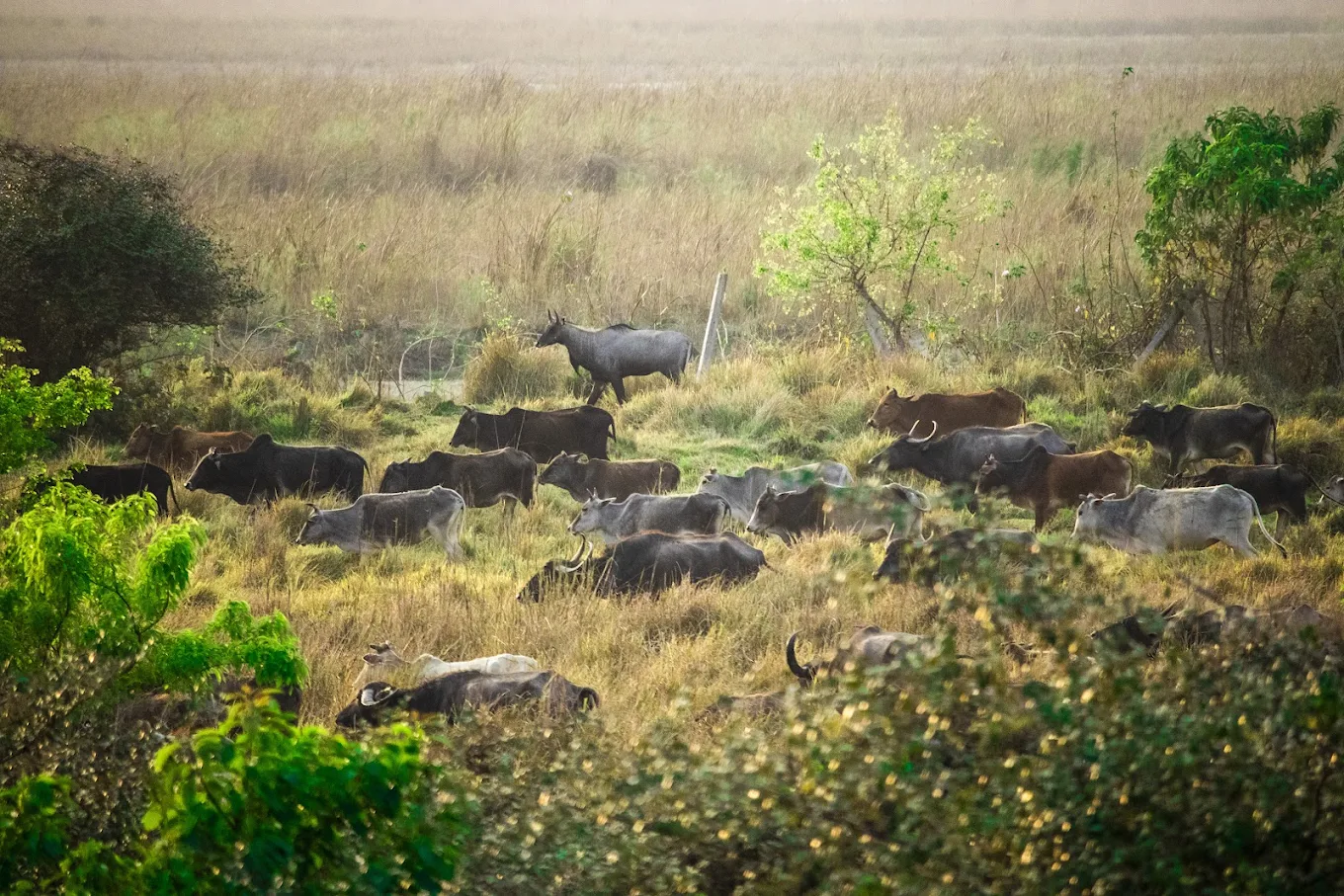
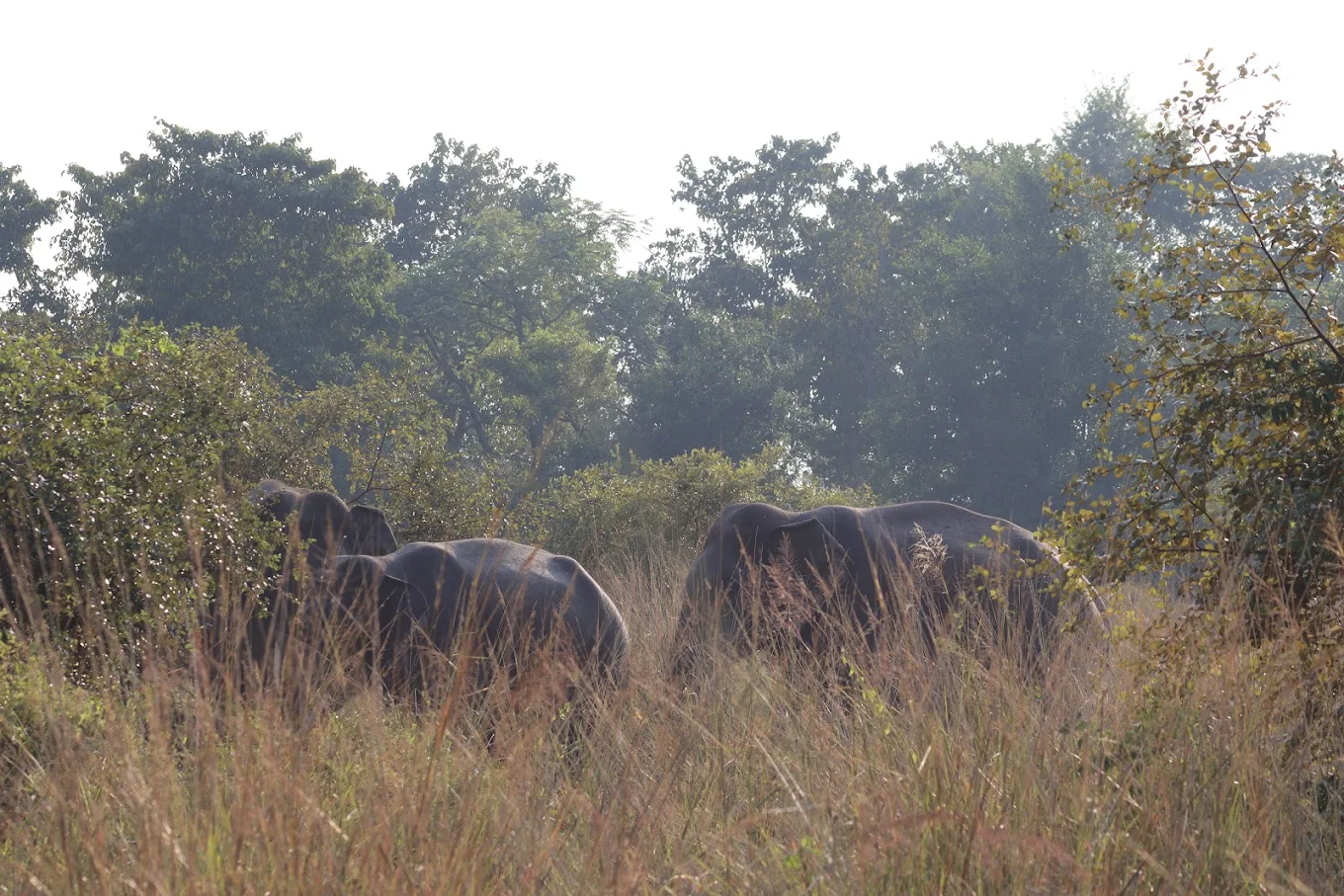
Description: Important hilltop shrine believed to fulfil the sincere wishes of devotees, with bonus views of Kanchenjunga on clear days.
Exact location: Near Phungling in Taplejung; final stretch is a steep hike from Suketar/Deurali.
Interesting fact: Pilgrims offer animals, gold and silver at the temple when their wishes are granted.
Best time to visit: March–May and September–November; winter snow can make the trail slippery.
31. Mardi Himal Trek
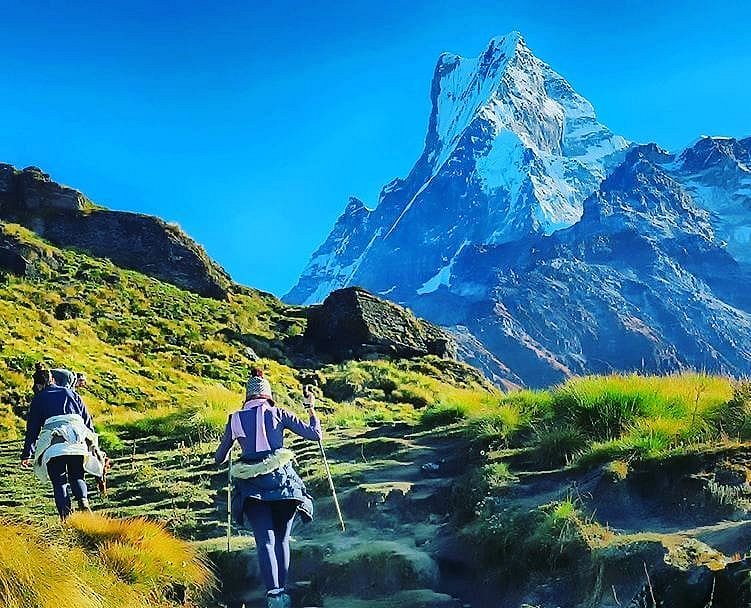
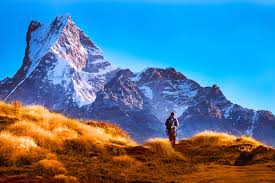
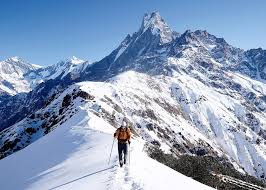
Description: A relatively short ridge trek with close-up views of Machhapuchhre and Annapurna South, still quieter than other routes.
Exact location: Starts near Kande or Phedi above Pokhara; high camp and viewpoint sit on a narrow ridge.
Interesting fact: The trek was “off the map” for many years, used mainly by shepherds; it only entered mainstream trekking itineraries recently.
Best time to visit: March–May and September–November for clear skies and safe trails.
32. Bandipur Heritage Hill Town
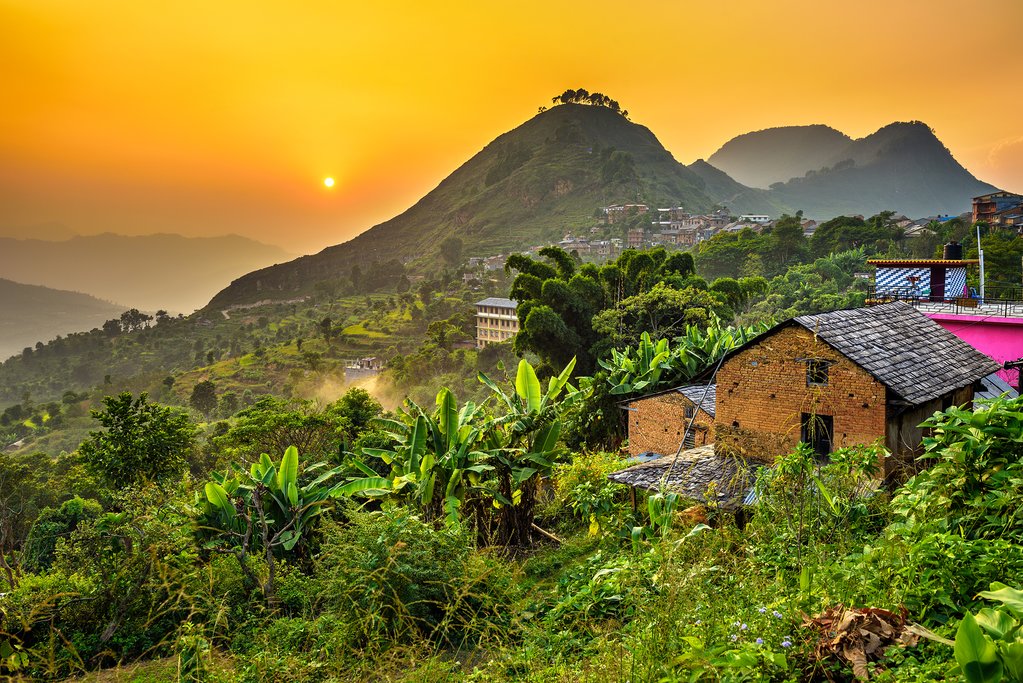
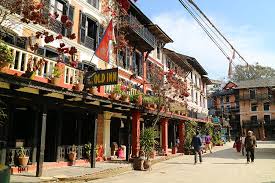
Description: Traffic-free hill town with restored Newari houses, cafés and viewpoints – perfect for slow travel.
Exact location: Ridge above Dumre on the Kathmandu–Pokhara highway, Tanahun.
Interesting fact: Bandipur once thrived as a trade stop on the India–Tibet route but declined after the highway bypassed it; tourism revived it.
Best time to visit: October–April; evenings are cool and clear, summer afternoons can be hazy.
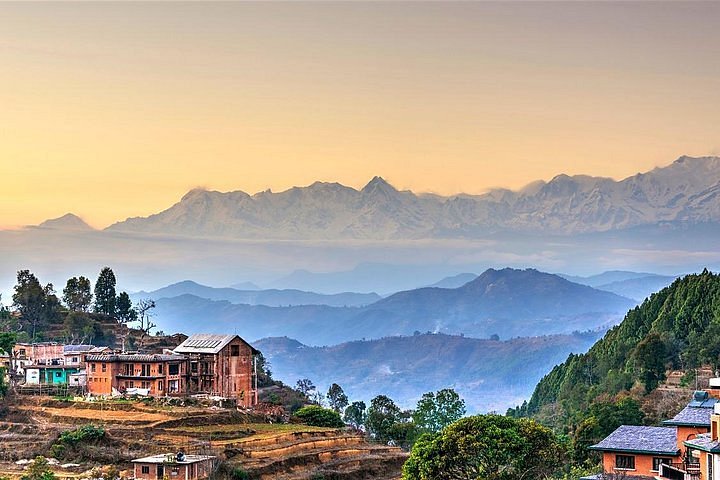
33. Tansen & Rani Mahal
Description: A historic hill town overlooking the Kali Gandaki valley, paired with a romantic riverside palace.
Exact location: Tansen town in Palpa; Rani Mahal lies on the Kali Gandaki River, about an hour’s drive below.
Interesting fact: Rani Mahal was built by General Khadga Shamsher in memory of his beloved wife – hence the nickname “Taj Mahal of Nepal.”
Best time to visit: October–April; clearer skies and pleasant walking temperatures.
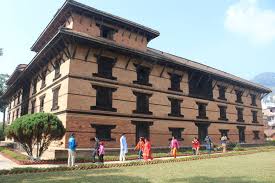
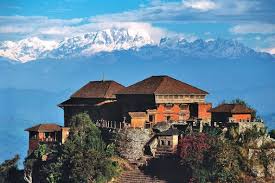
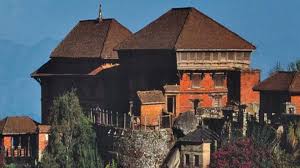
34. Gorkha Palace & Manaslu Viewpoints
Description: Fortified hilltop palace where unified Nepal’s story began, with sweeping Himalayan views.
Exact location: Above Gorkha Bazaar in Gorkha District; accessed by a long stone staircase.
Interesting fact: This was the ancestral home of King Prithvi Narayan Shah, who unified the many small kingdoms into modern Nepal.
Best time to visit: October–April; morning visits can reward you with clear views of Manaslu and surrounding peaks.
35. Manaslu Circuit
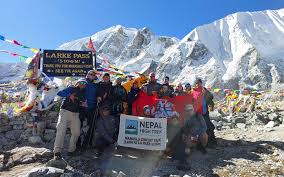
Description: Remote trek circling Mount Manaslu (8,163 m), crossing Larkya La Pass and passing Tibetan-influenced villages.
Exact location: Trails start near Soti Khola/Arughat in Gorkha and loop around towards Dharapani/Annapurna side.
Interesting fact: Manaslu Circuit has a restricted-area status, so trekkers need a special permit and guide – helping keep it less crowded.
Best time to visit: March–May and September–November for safe pass crossings and stable weather.
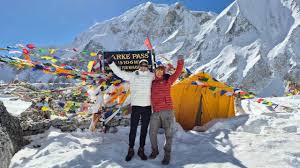
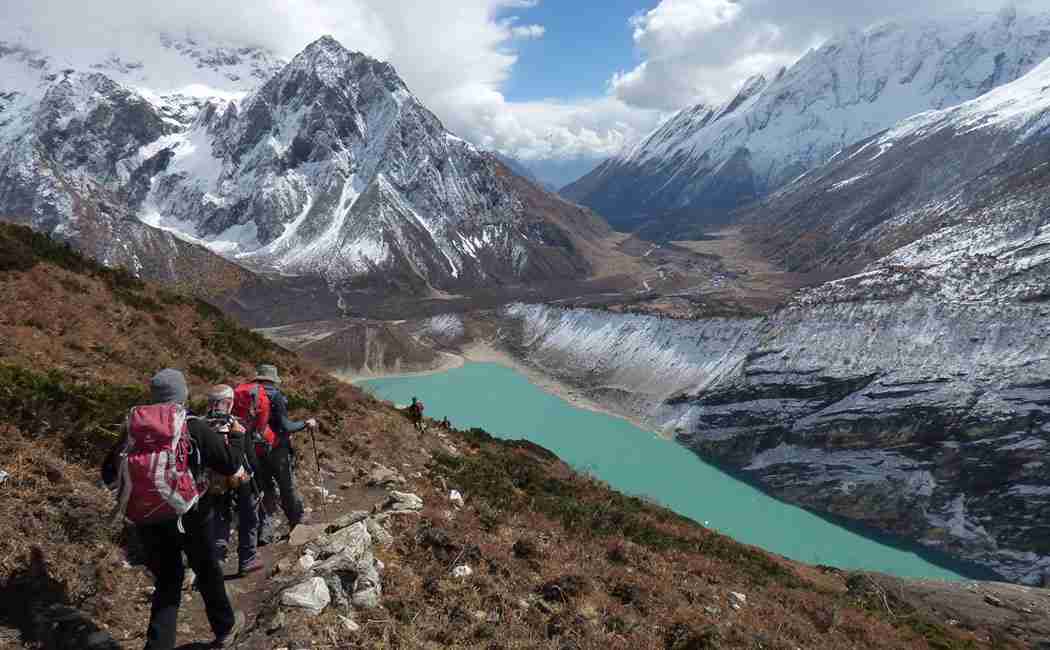
36. Upper Mustang – Lo Manthang
Description: Former Himalayan kingdom with desert-like landscapes, walled city, caves and Tibetan culture.
Exact location: North of Kagbeni in Mustang; Lo Manthang is the main town.
Interesting fact: Upper Mustang was closed to foreigners until 1992 and still requires a special restricted-area permit.
Best time to visit: May–October; being in a rain-shadow, it’s suitable even during the monsoon when other regions are wet.
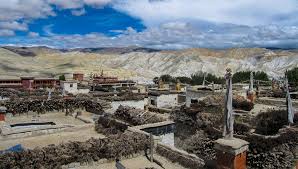
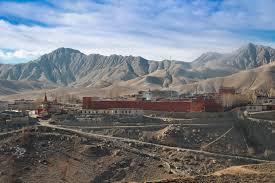
37. Khaptad National Park
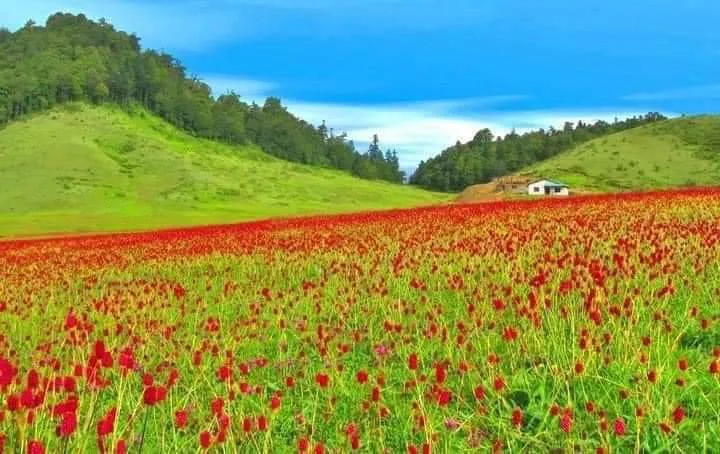
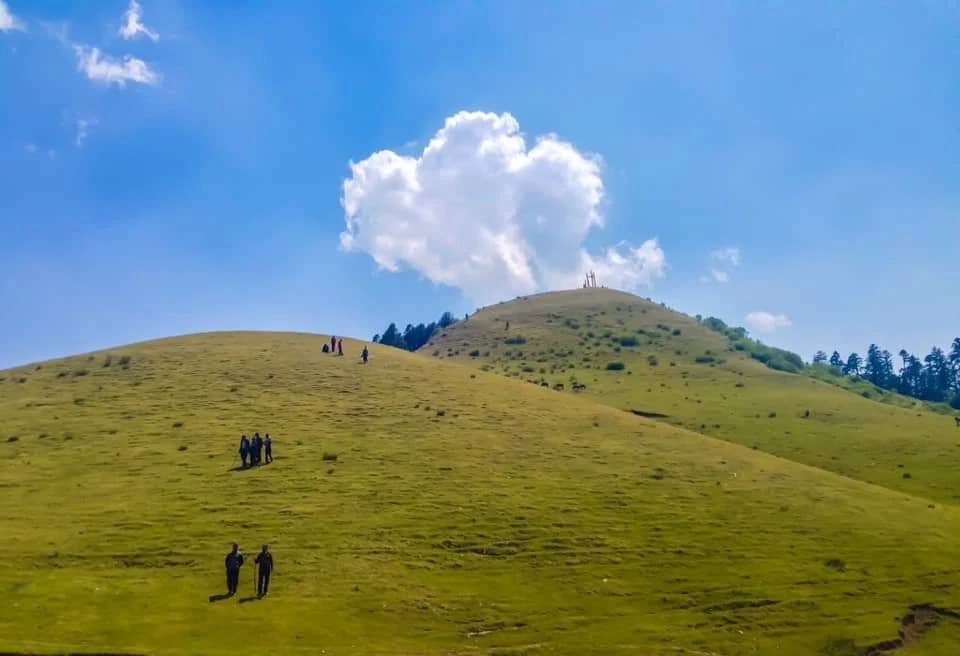
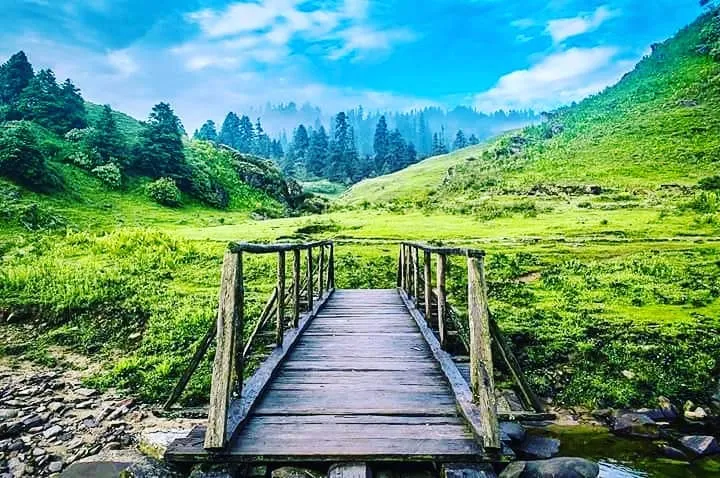
Description: Rolling meadows, forests and spiritual hermitages on a high plateau in far-western Nepal.
Exact location: Shared by Bajhang, Bajura, Doti and Achham districts; main access via Silgadhi.
Interesting fact: The park is named after Khaptad Baba, a holy man who meditated here for decades; his ashram still exists.
Best time to visit: April–October; spring and early summer bring lush greenery and wildflowers.
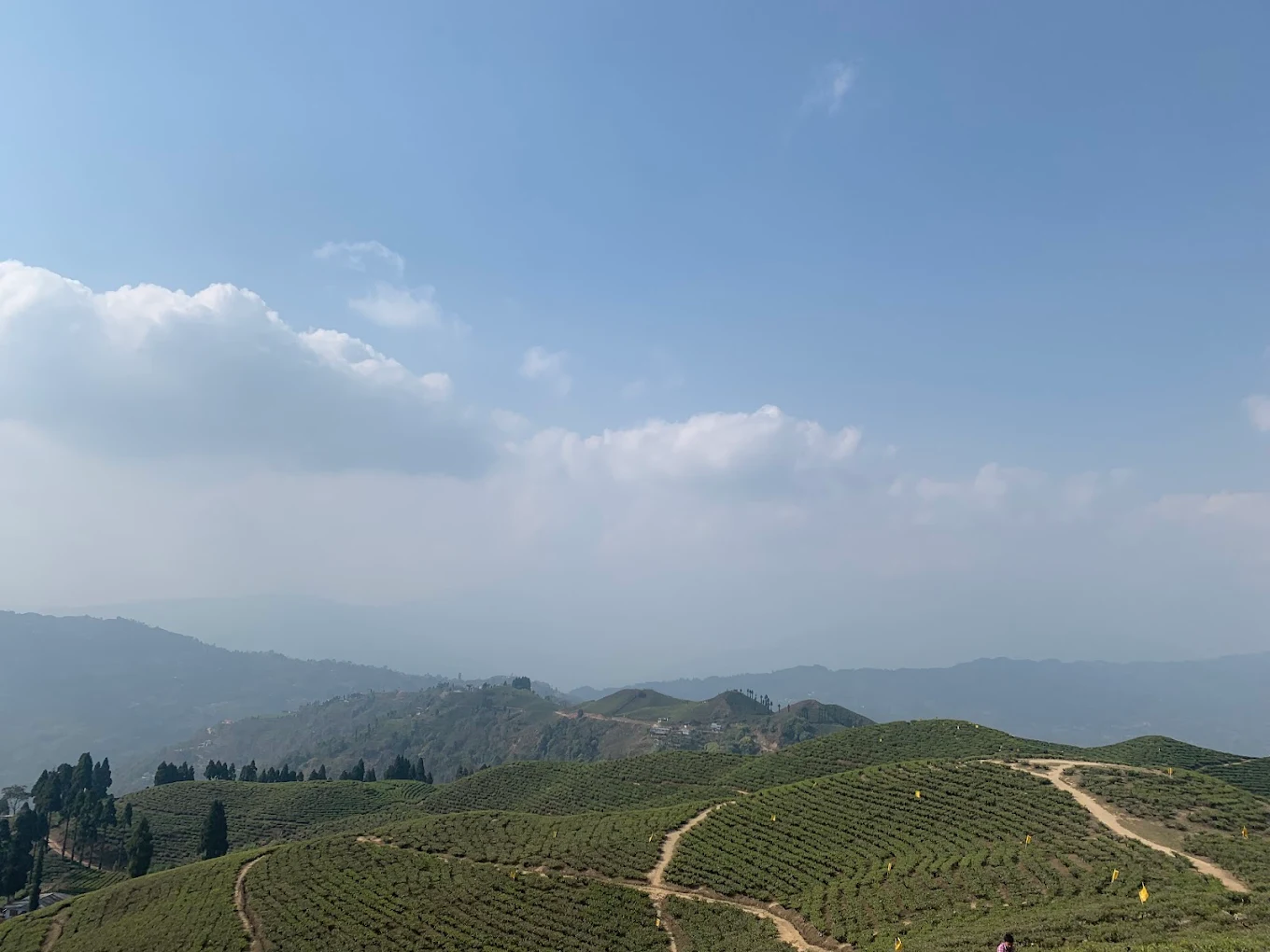
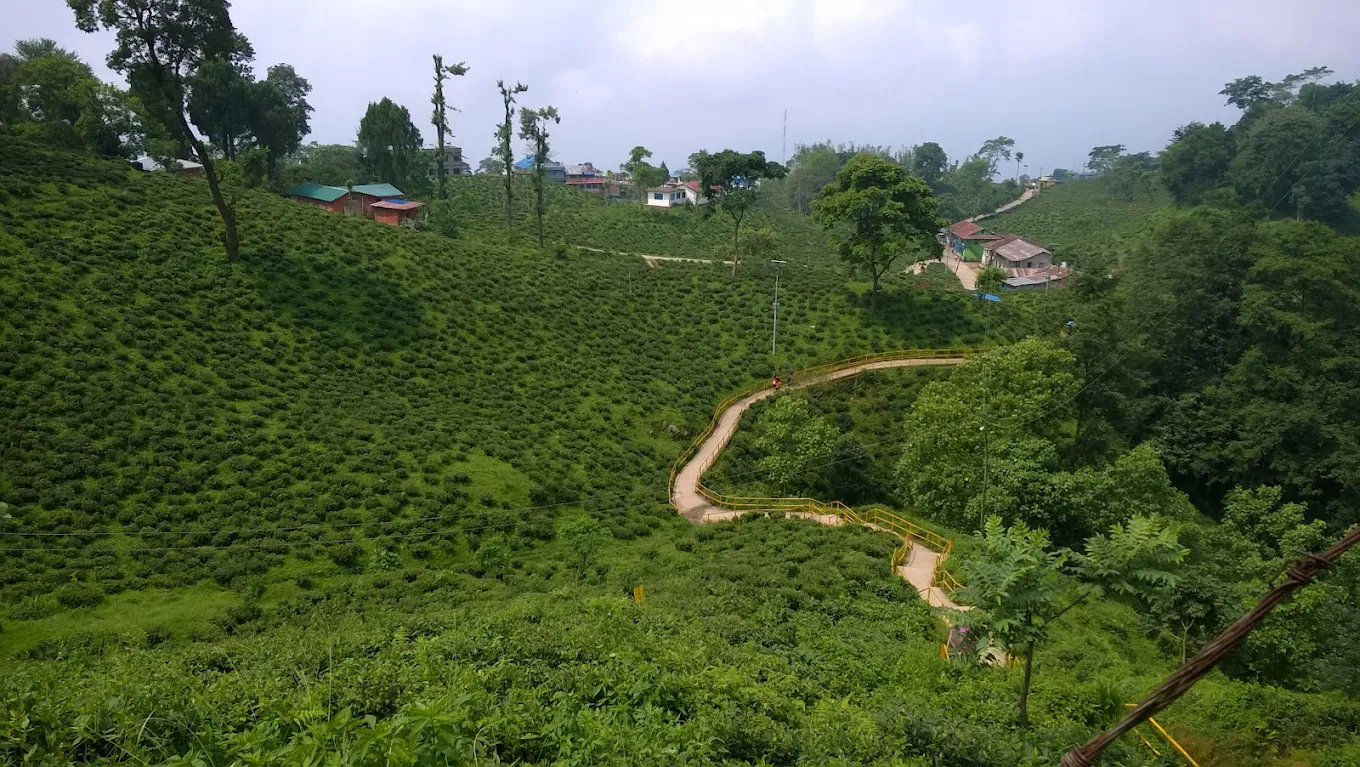
38. Ilam Tea Gardens
Description: Cool, green hills blanketed with tea bushes, giving Nepal’s own mini-Darjeeling vibe.
Exact location: Around Ilam Bazaar and Kanyam area in eastern Nepal.
Interesting fact: Ilam tea is gaining popularity worldwide; some estates offer tastings and homestays.
Best time to visit: March–May and September–November for clear views and fresh tea leaves being plucked.
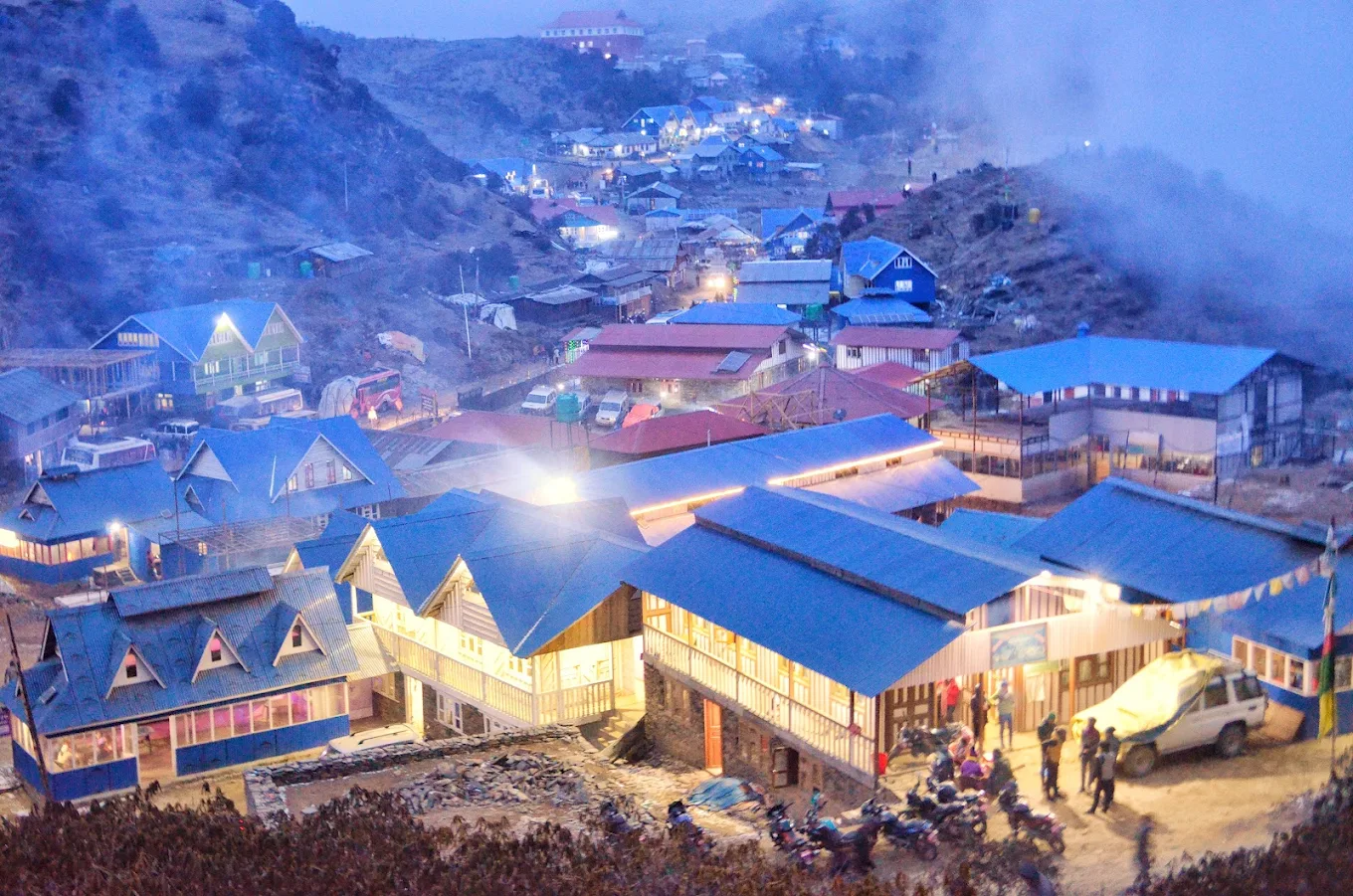
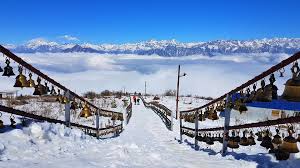
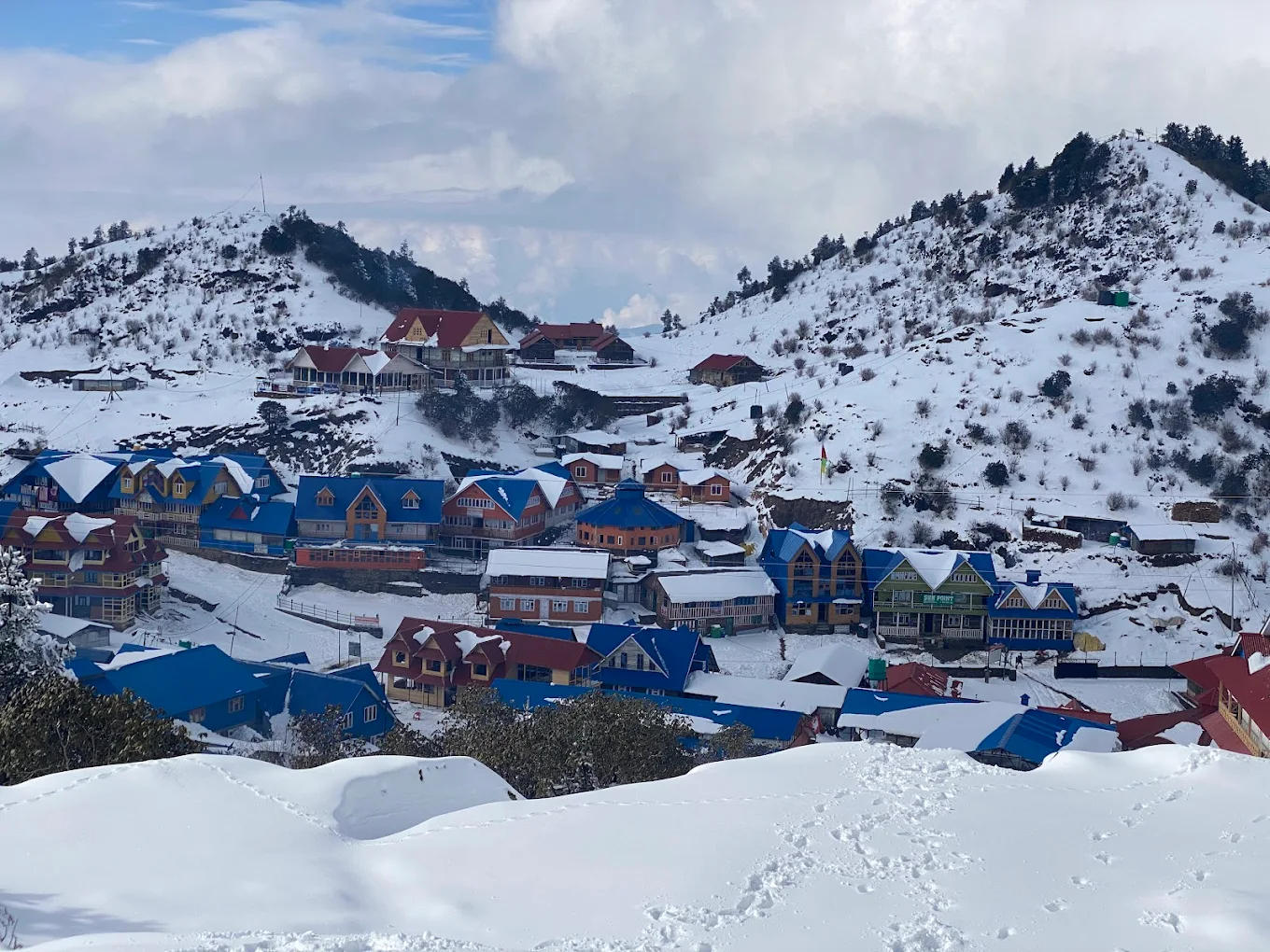
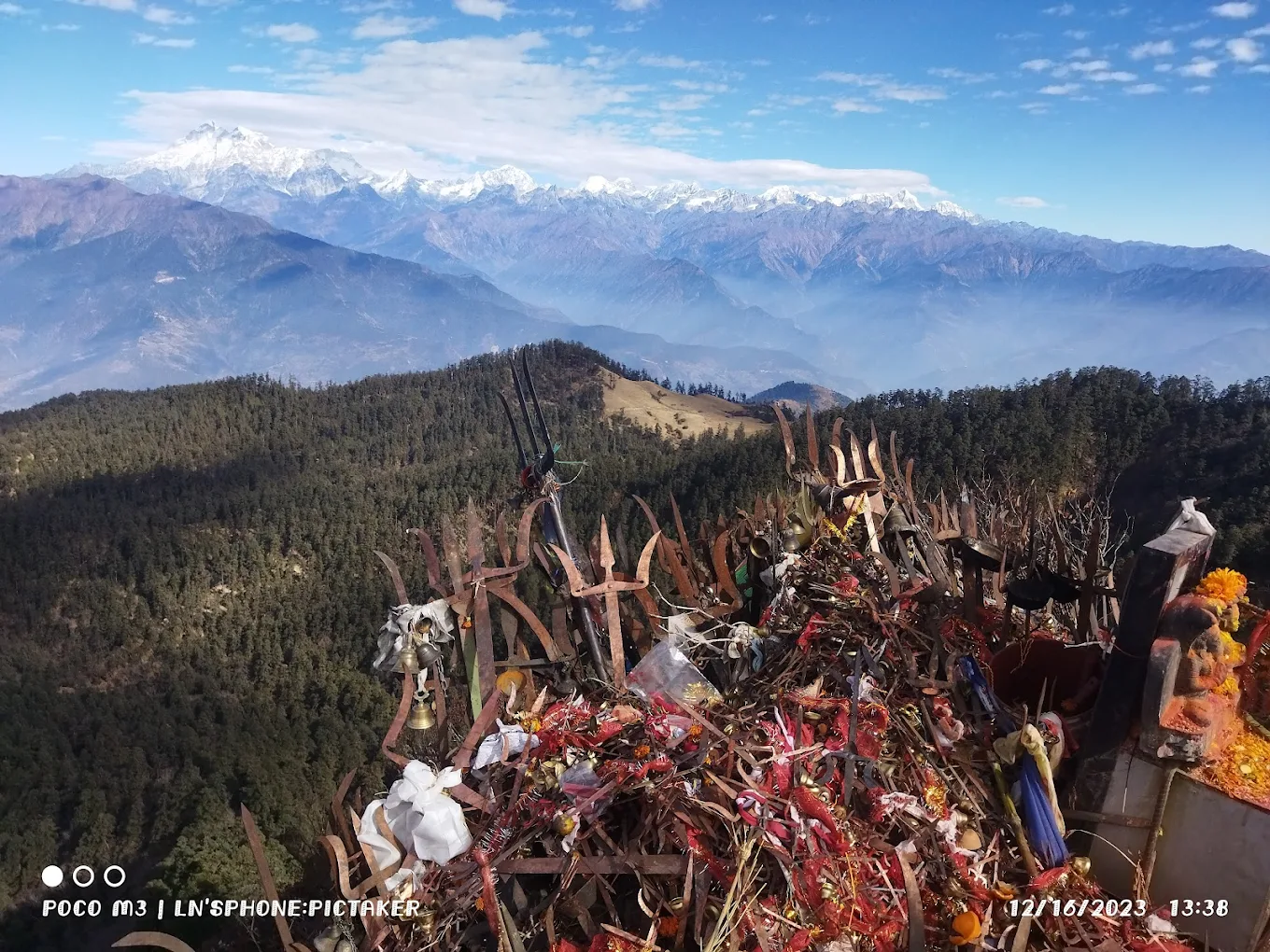
39. Kalinchowk Bhagwati Temple
Description: Snowy winter getaway and hilltop temple devoted to Goddess Bhagwati, popular among young Nepali travellers.
Exact location: Kuri village area in Dolakha; cable car now runs from the base to near the temple.
Interesting fact: In winter, Kalinchowk becomes a mini snow playground, with sledding and selfies in snow just a few hours from Kathmandu.
Best time to visit: December–February for snow; October–November for clearer mountain views without extreme cold.
40. Siddha Gufa Cave
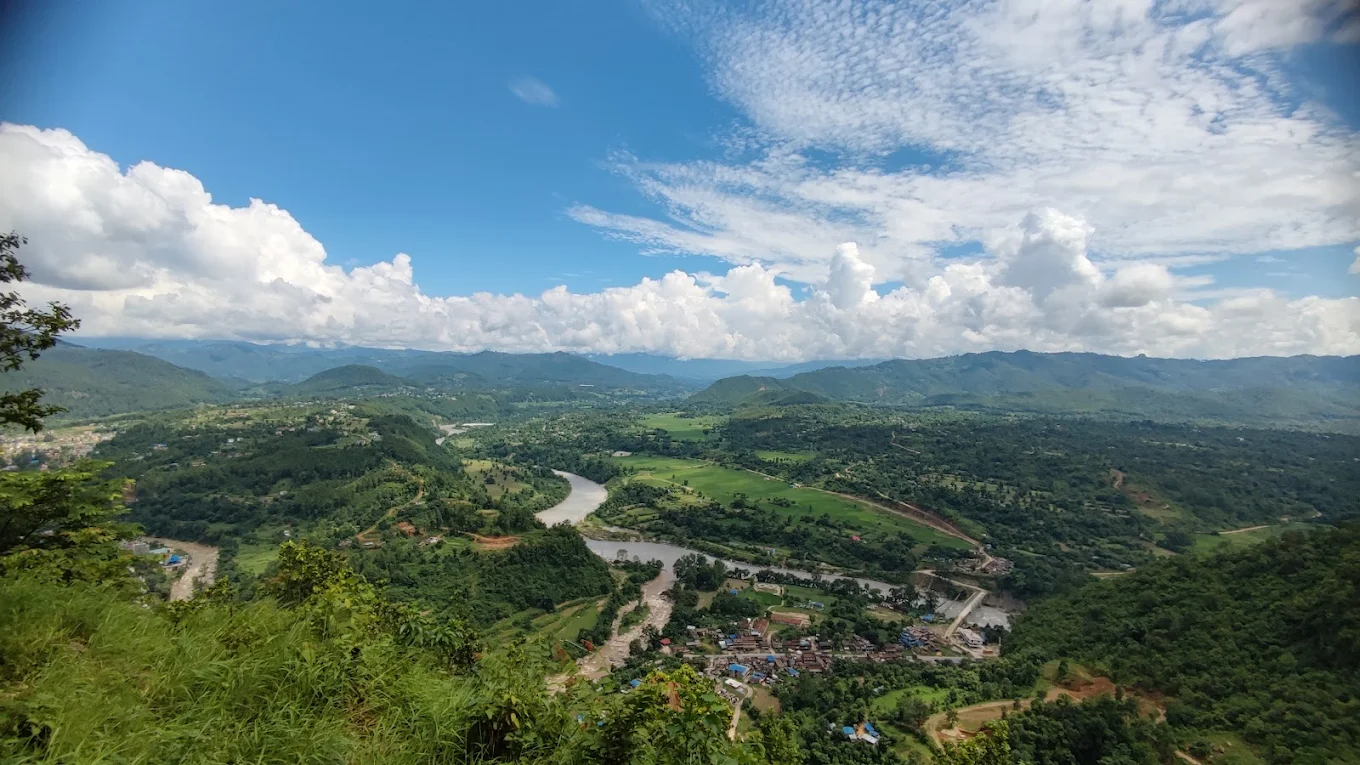
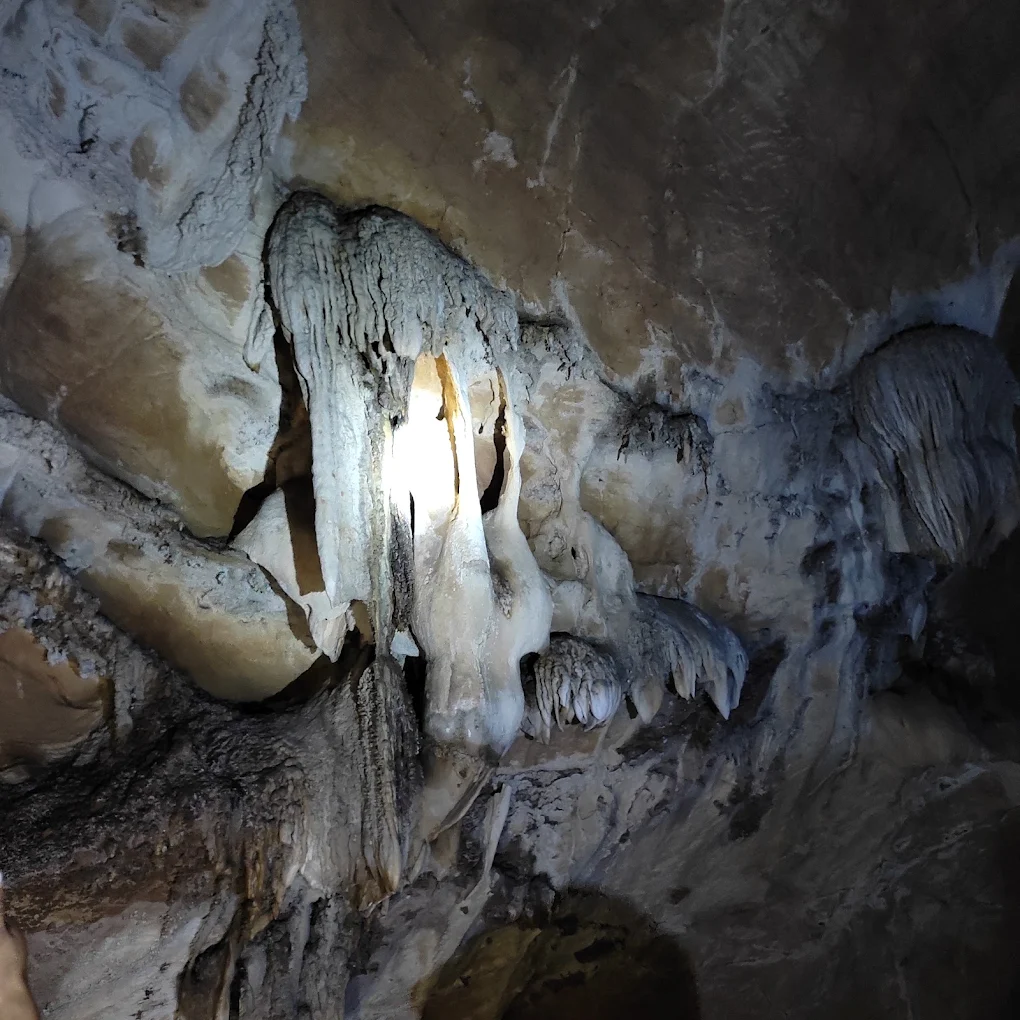
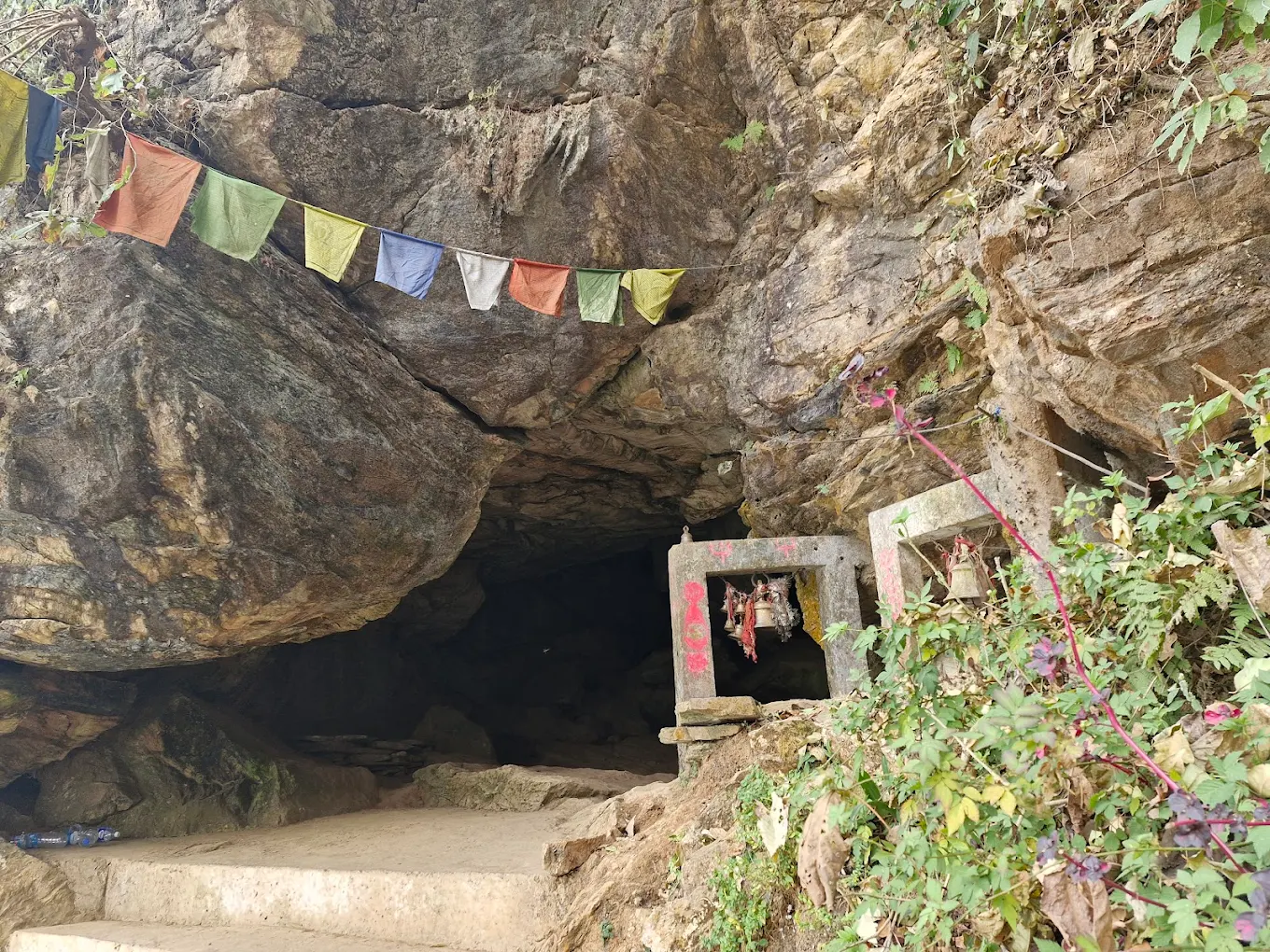
Description: One of Nepal’s largest caves, offering an adventurous underground experience.
Exact location: Near Bimalnagar on the Kathmandu–Pokhara highway; short uphill hike from the roadside.
Interesting fact: The cave is said to be over 400 m deep, with big chambers filled with stalactites and stalagmites.
Best time to visit: October–April; monsoon months can make paths muddy and slippery.
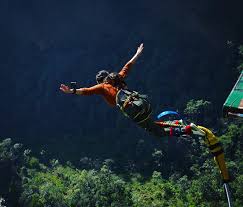
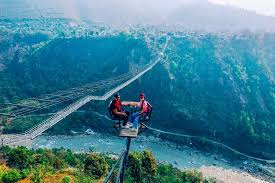
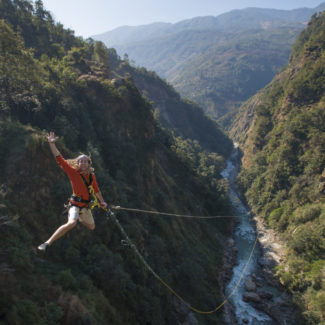
41. Kushma–Balewa & The Cliff Bungee
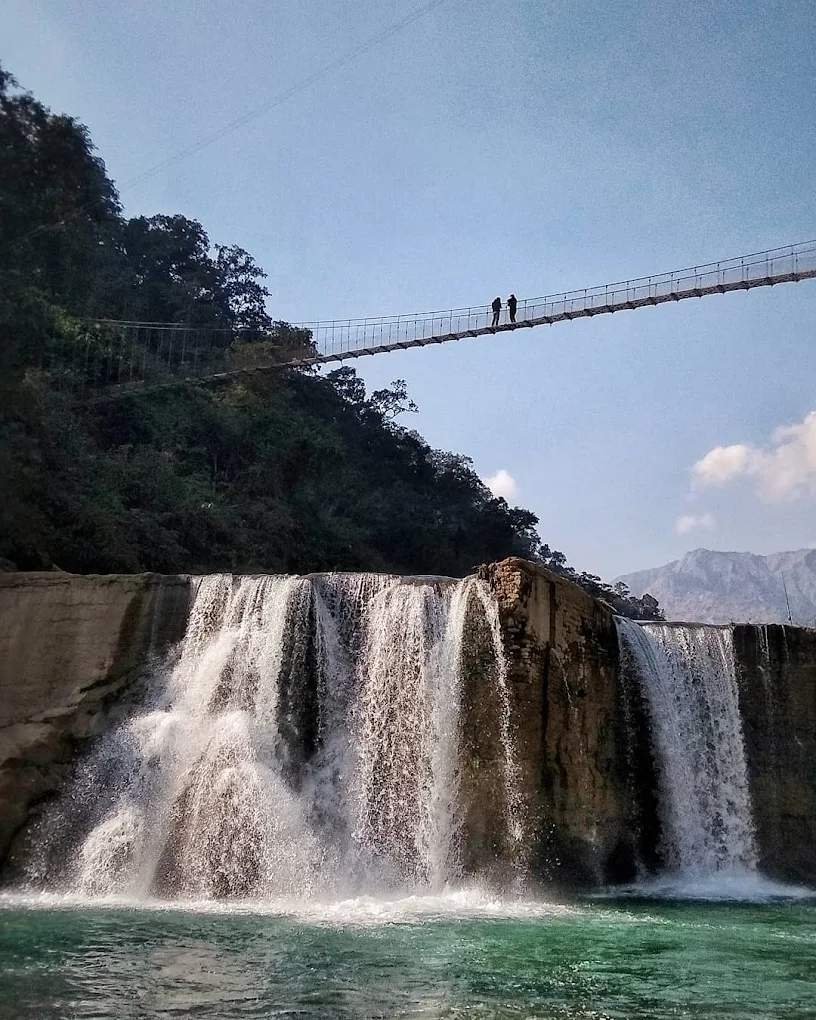
Description: An adrenaline hotspot with one of the world’s highest bungee jumps and canyon swings over the Kali Gandaki gorge.
Exact location: Near Kushma Bazaar in Parbat District, between Pokhara and Baglung.
Interesting fact: Kushma’s suspension bridges are among the longest and highest in Nepal, linking dramatic cliff faces.
Best time to visit: October–April when skies are clear and winds are calmer; operations may vary in heavy monsoon.
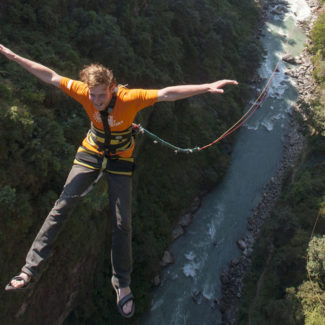
42. Last Resort Bungee (Bhote Koshi)
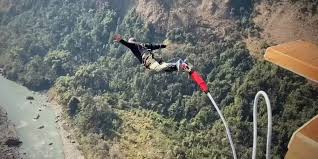
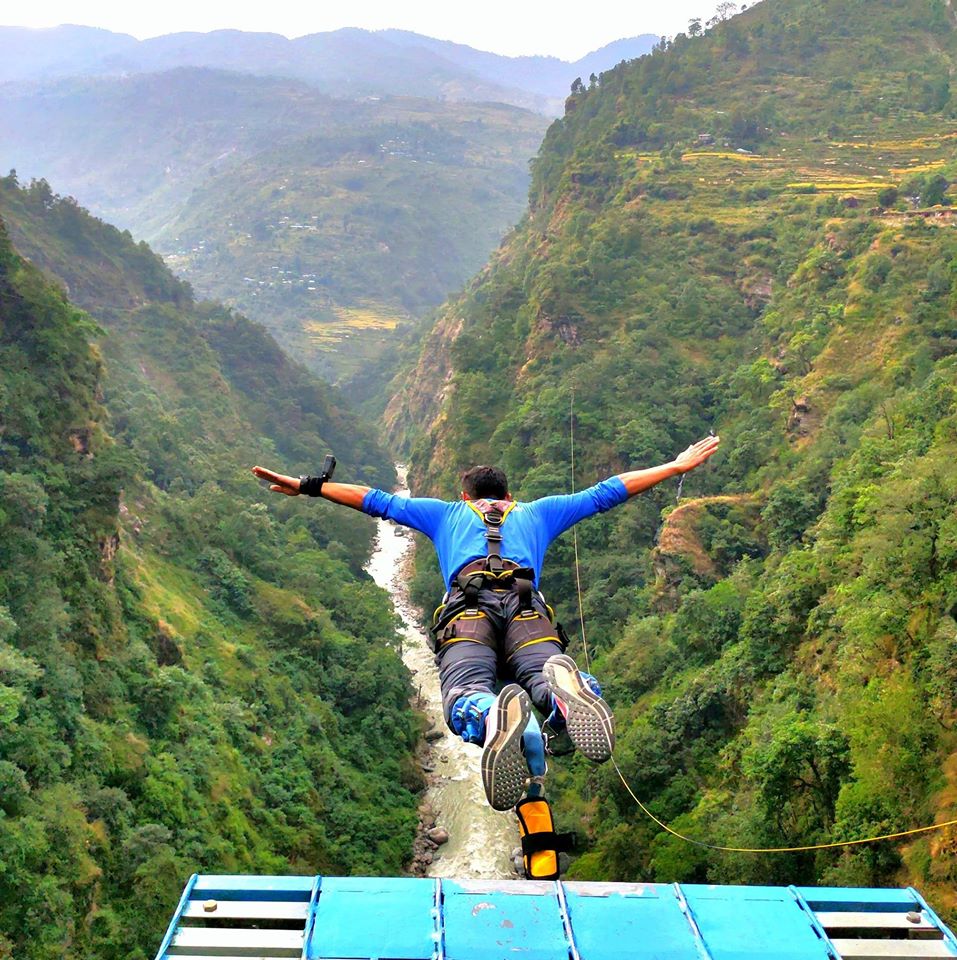
Description: Classic Nepali bungee spot off a suspension bridge above the Bhote Koshi River, plus canyoning and swings.
Exact location: Near Tatopani along the Araniko Highway towards the Tibetan border.
Interesting fact: This was one of the first high commercial bungee jumps in Nepal, attracting thrill-seekers from around the world.
Best time to visit: October–April; river levels and visibility are usually ideal outside peak monsoon.
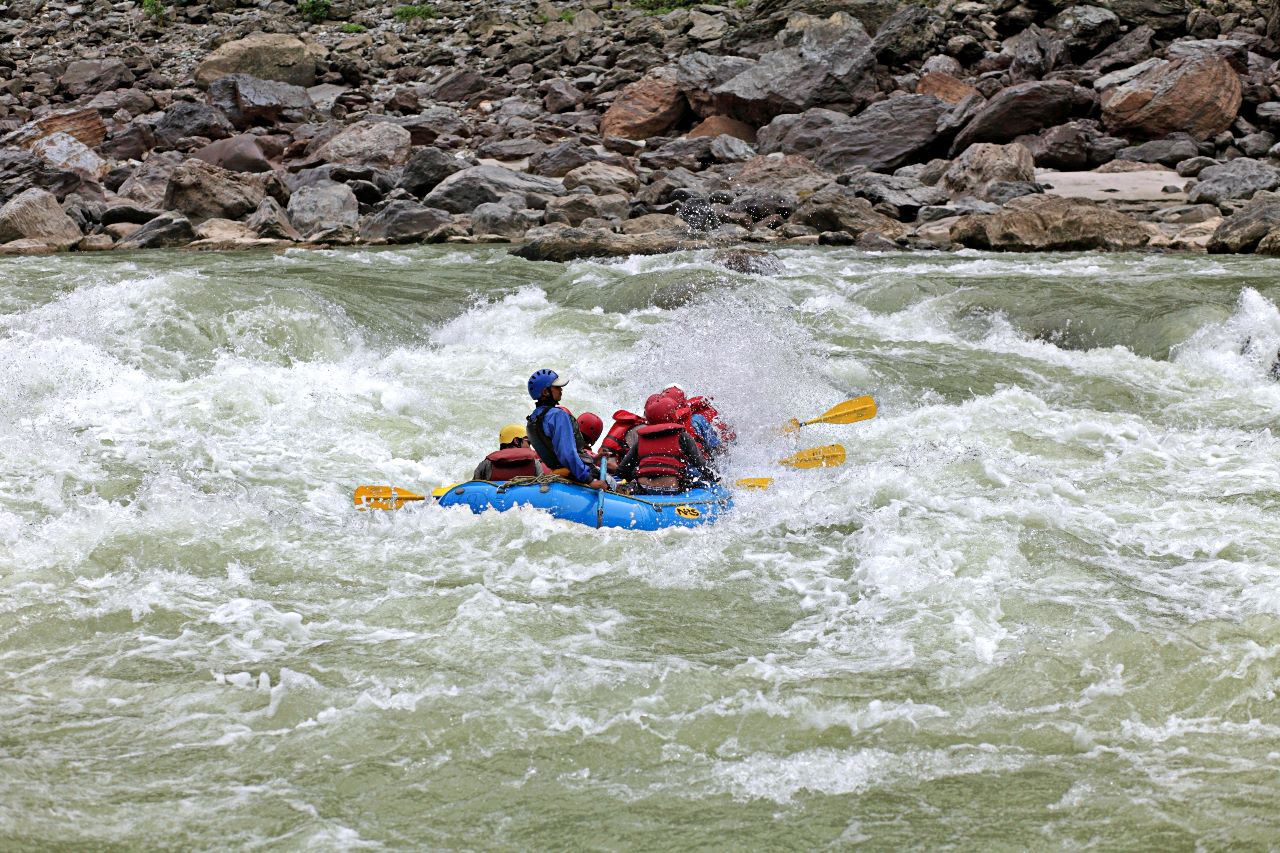
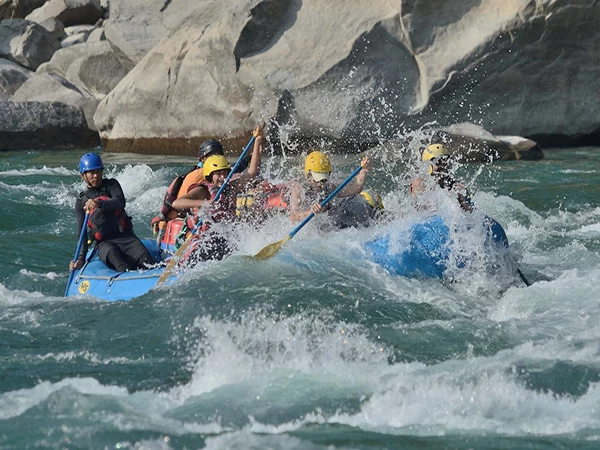
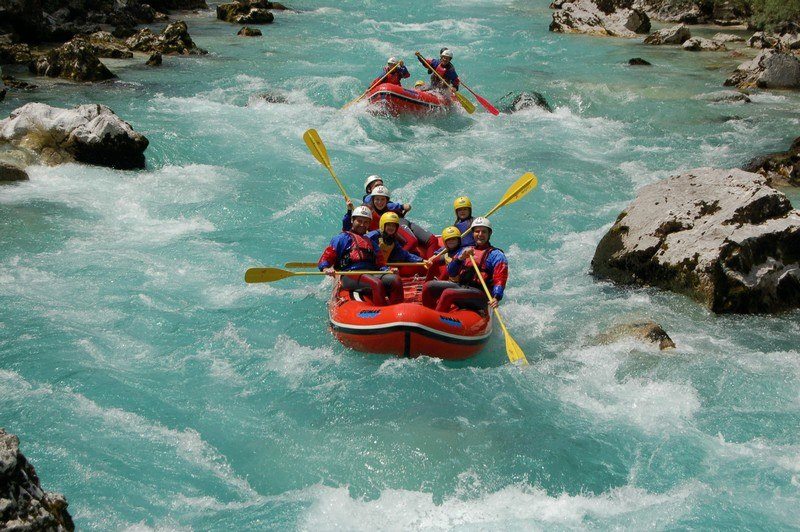
43. Trishuli & Bhote Koshi Rafting Spots
Description: Nepal’s most popular white-water rivers, offering everything from beginner-friendly runs to intense rapids.
Exact location: Trishuli: multiple put-ins along Kathmandu–Pokhara highway (e.g., Charaudi); Bhote Koshi: sections near Barhabise on Araniko Highway.
Interesting fact: Many Nepali rafters and guides “grew up” commercially on the Trishuli, making it the country’s rafting classroom.
Best time to visit: October–May; monsoon brings very high flows and is only for expert expeditions.
44. Ghorepani–Tadapani Waterfalls & Forest Trail
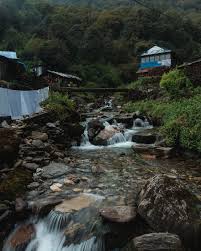
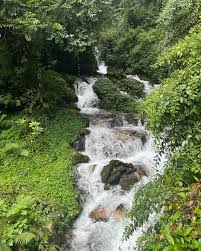
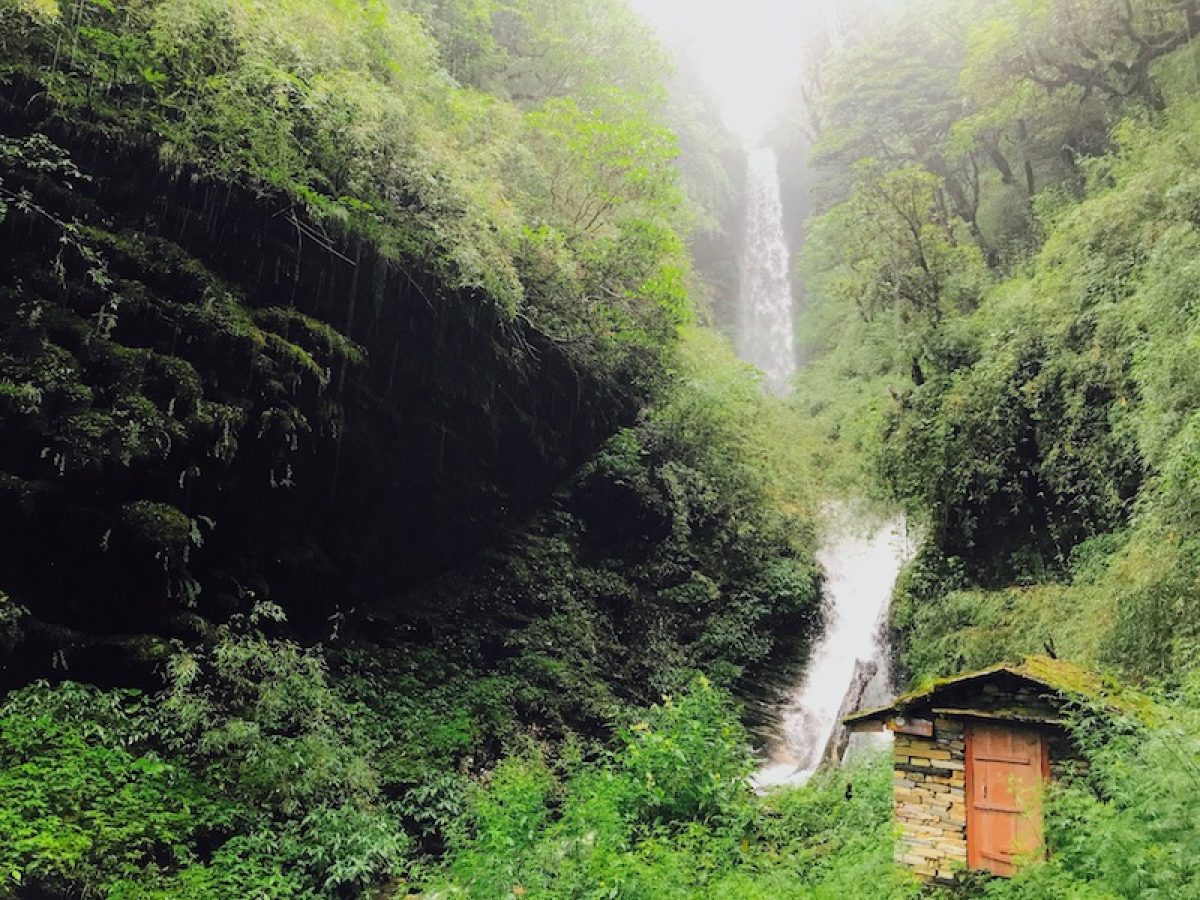
Description: Magical section of the Annapurna trek through mossy stone steps, waterfalls and dense rhododendron forest.
Exact location: Between Ghorepani and Tadapani villages on the Poon Hill trek.
Interesting fact: In full bloom, rhododendron trees paint the entire hillside red, pink and white – Nepal’s national flower in full show.
Best time to visit: March–April for flowers and flowing waterfalls; October–November for crisp air and drier trail.
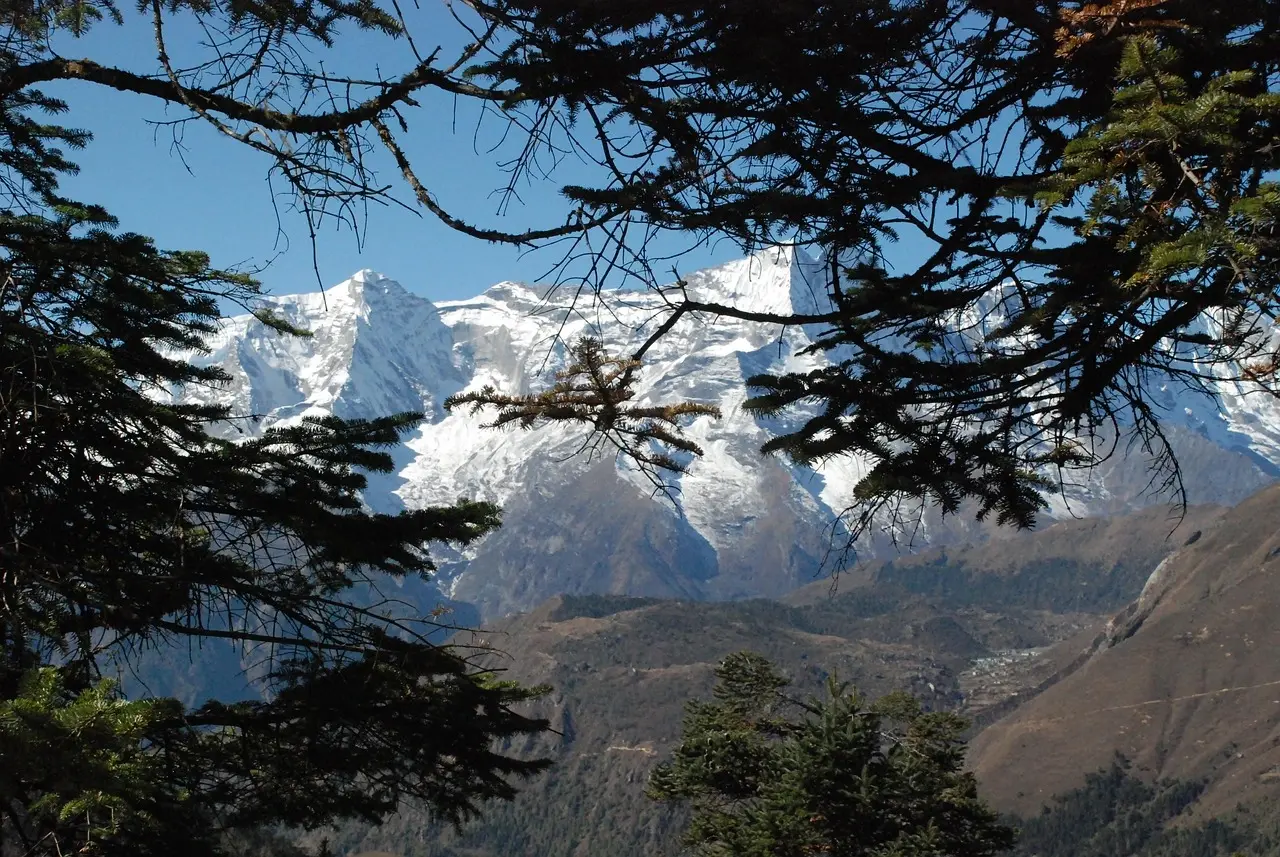
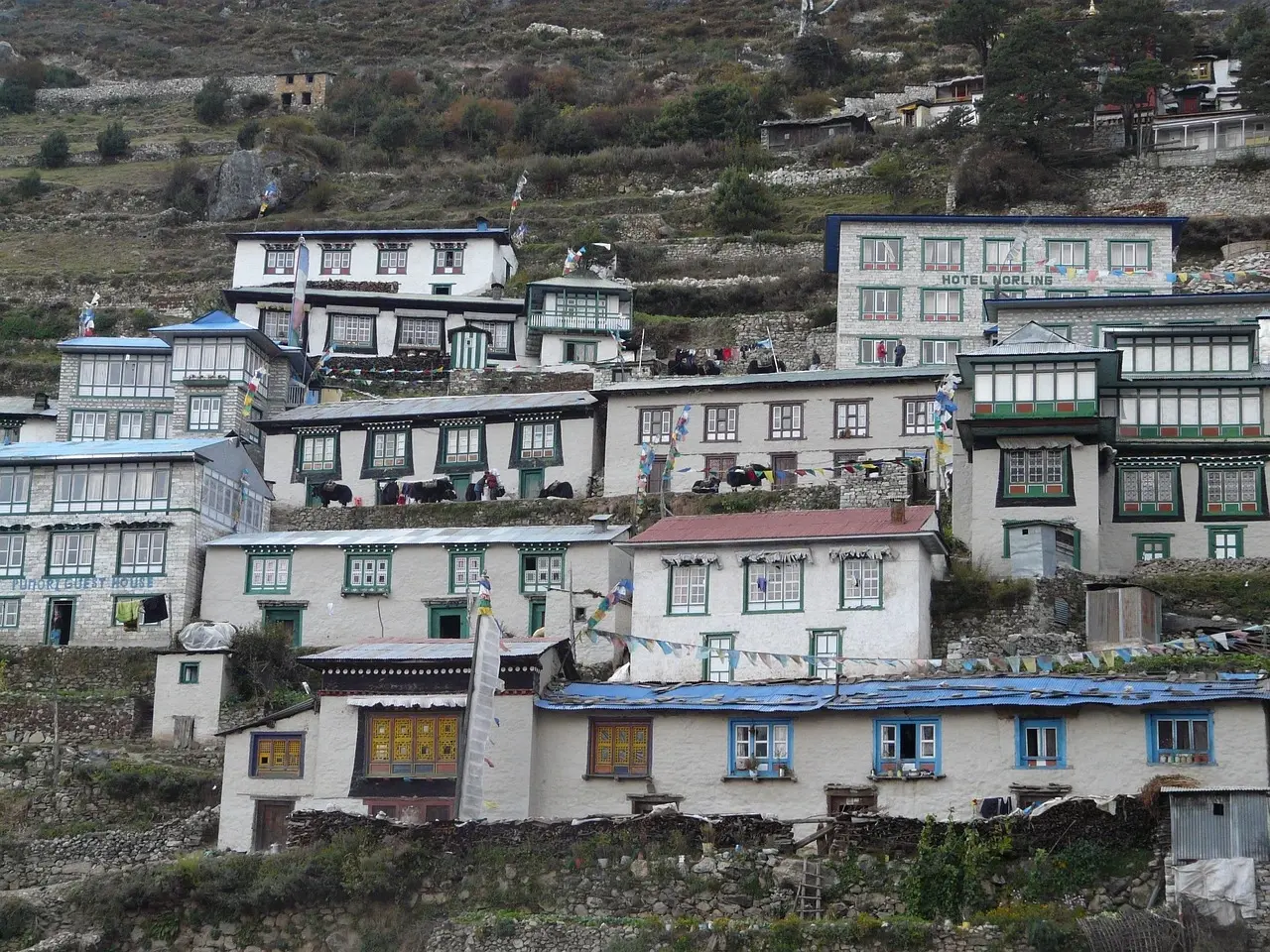
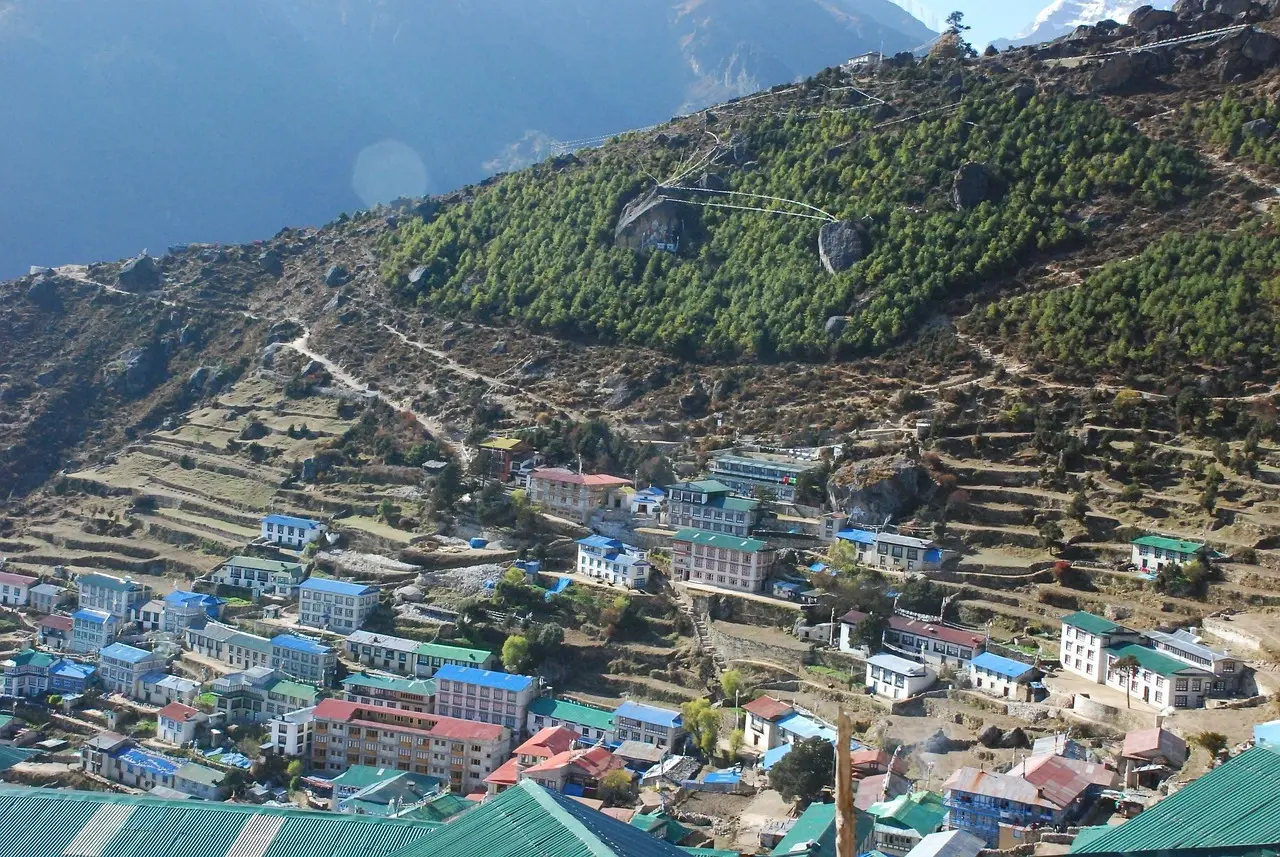
45. Namche Bazaar
Description: Amphitheatre-shaped Sherpa town and main acclimatisation stop for Everest-region treks.
Exact location: Two days’ trek from Lukla in the Khumbu, perched on terraces above the Dudh Koshi River.
Interesting fact: Despite its remoteness, Namche has bakeries, gear shops, and even internet cafés – all supplied by porters, animals and aircraft.
Best time to visit: March–May and September–November alongside EBC/Gokyo trek seasons.
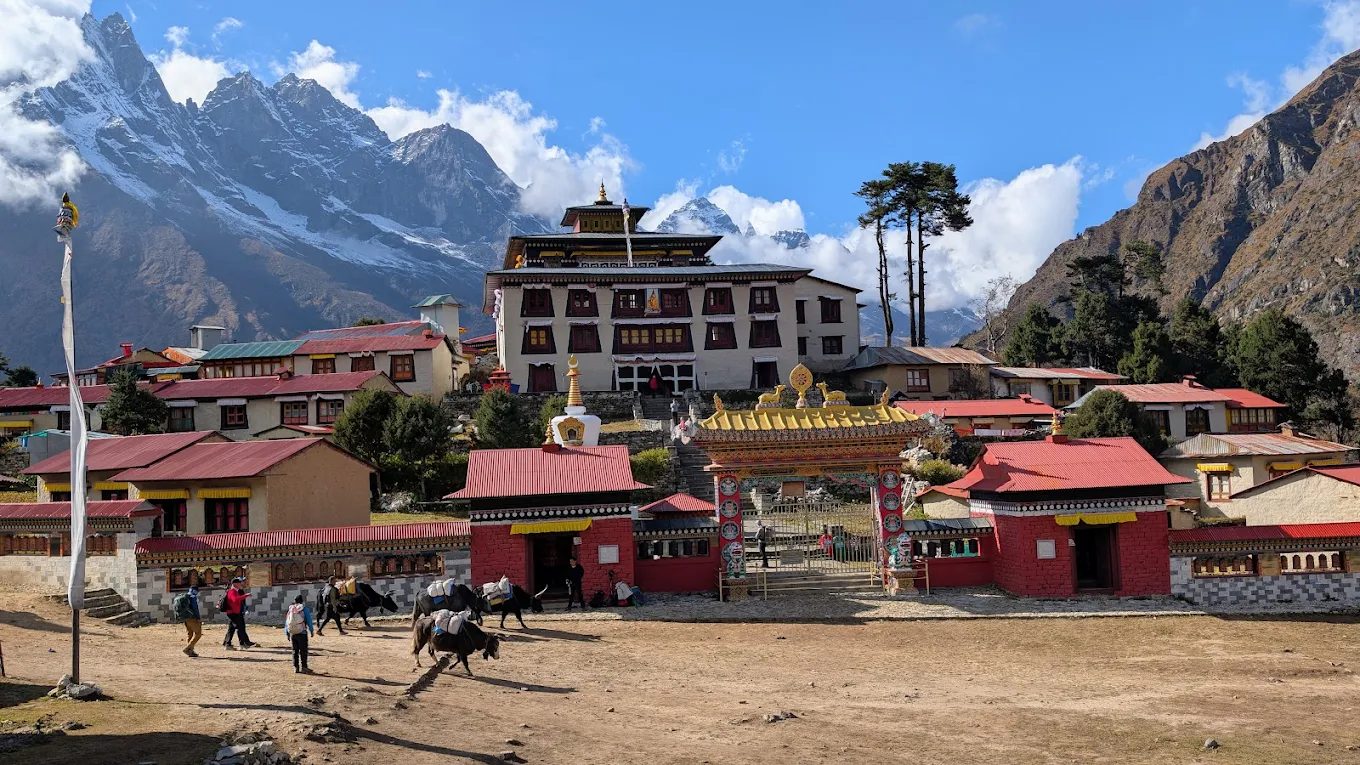
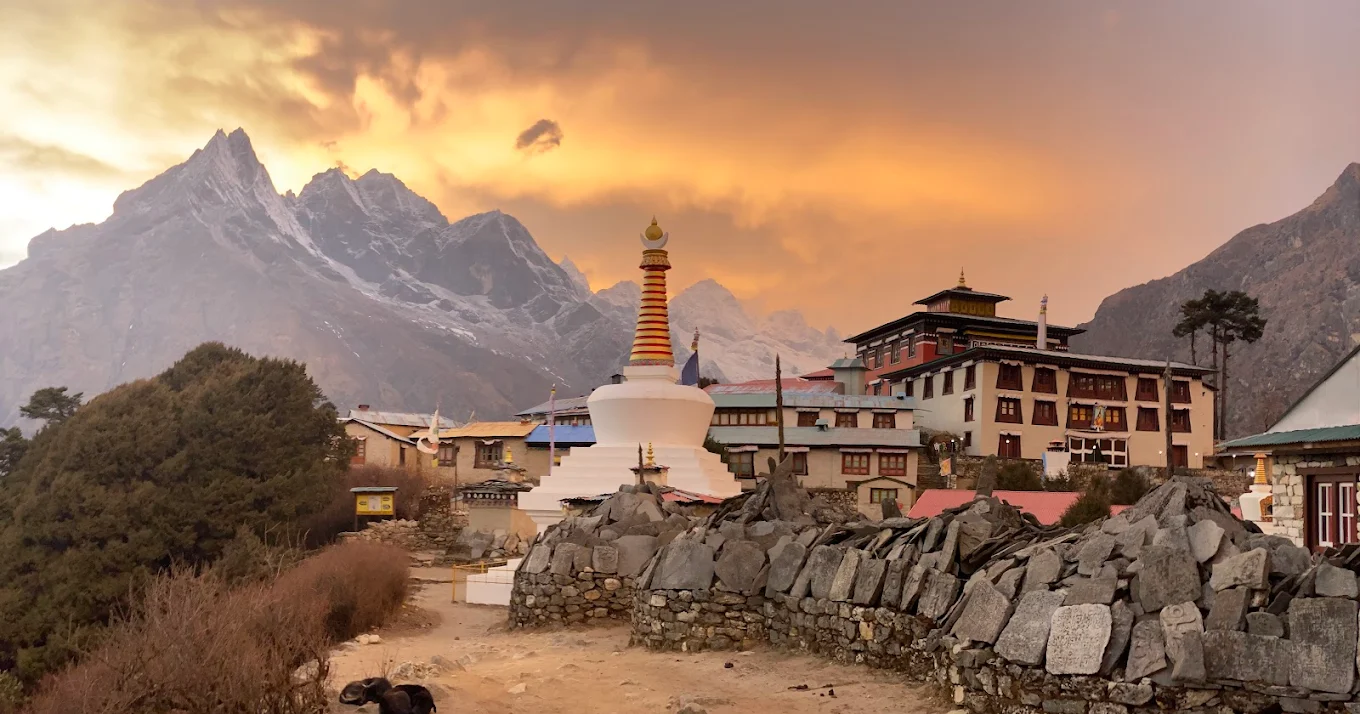
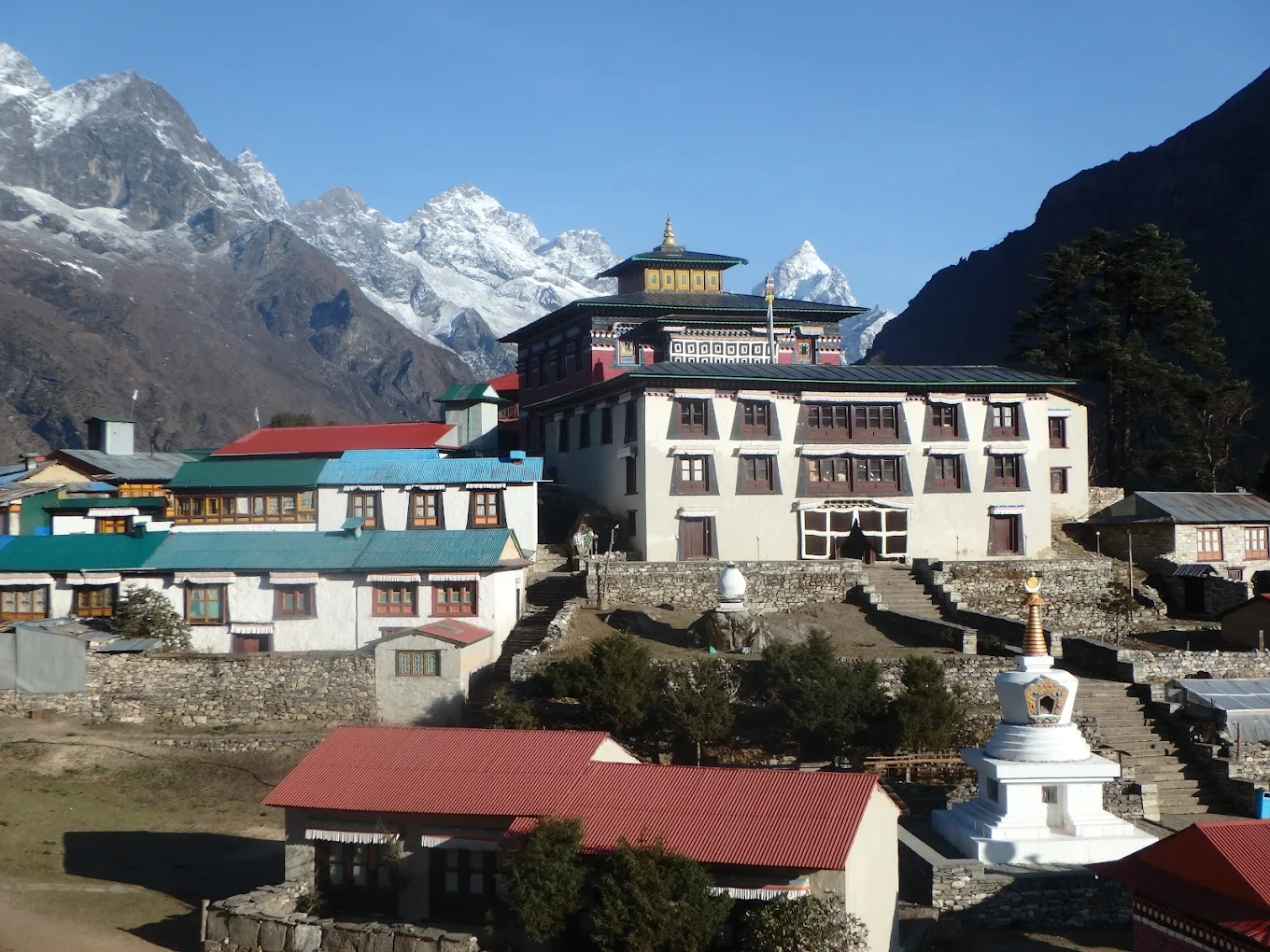
46. Tengboche Monastery
Description: Spiritual heart of the Khumbu and one of the most scenic monastery settings in the world.
Exact location: Tengboche village on the EBC trail, between Namche and Pangboche.
Interesting fact: The famous Mani Rimdu festival is held here every autumn, with masked dances and rituals.
Best time to visit: October–November (for Mani Rimdu and clear views) and March–April (for milder trekking temps).
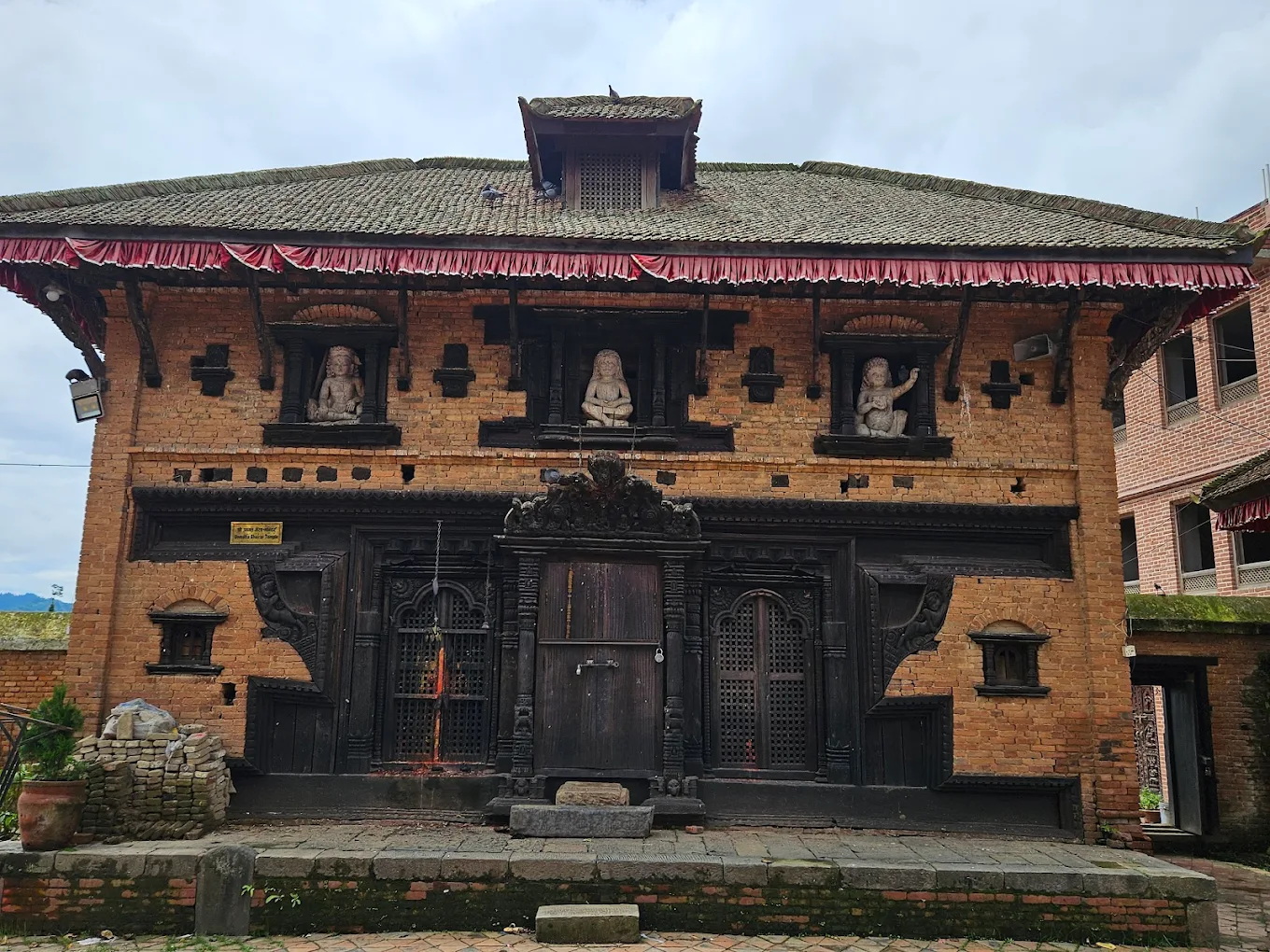
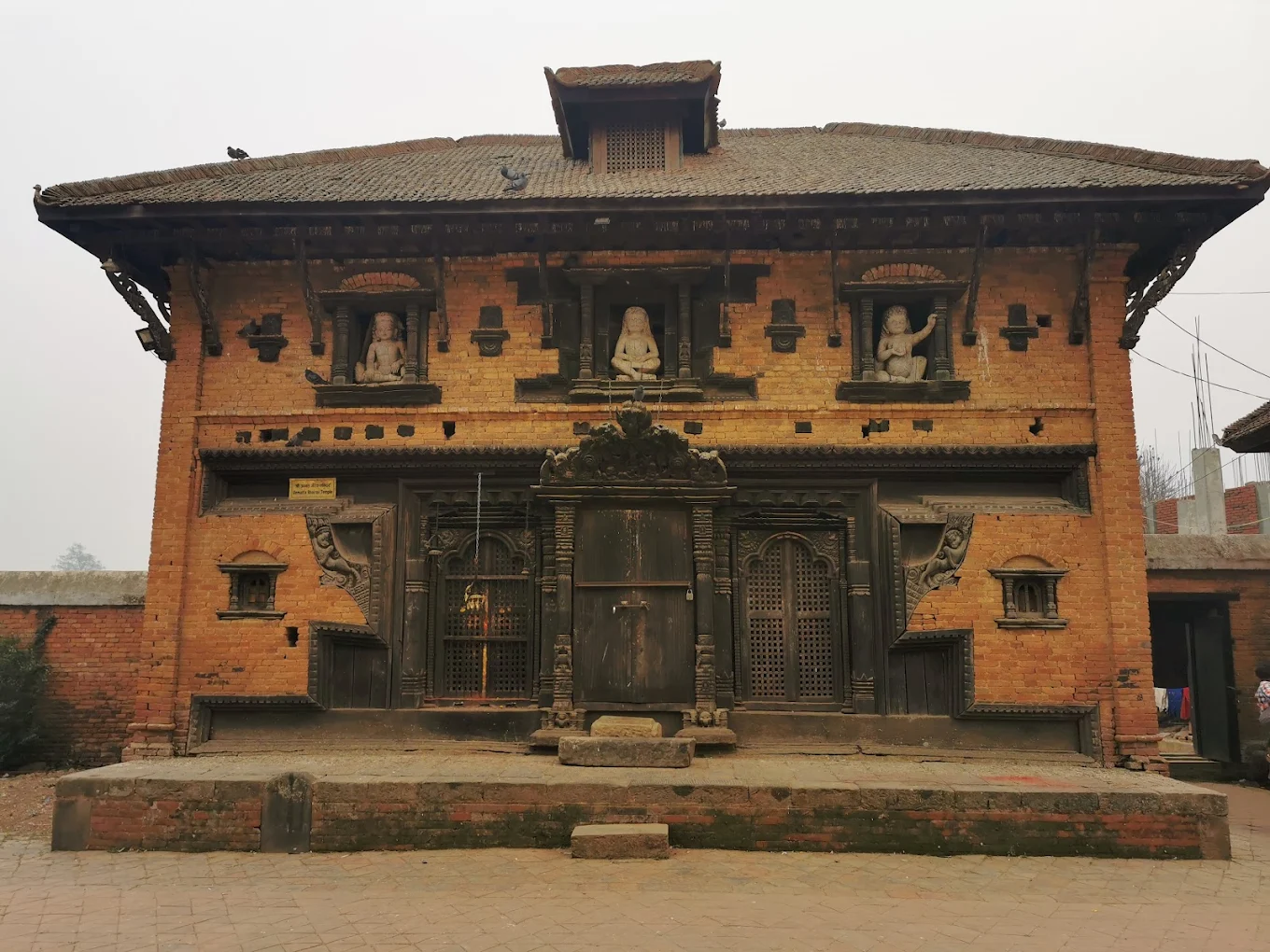
47. Panauti Heritage Town
Description: Quiet Newari town with temples, old houses and river confluences, perfect for culture and homestays.
Exact location: About 32 km southeast of Kathmandu, off the highway to Banepa.
Interesting fact: Locals believe Panauti rests on a single large rock, which is why it has survived major earthquakes relatively unscathed.
Best time to visit: October–April; festivals like Panauti Jatra add extra colour if your dates align.
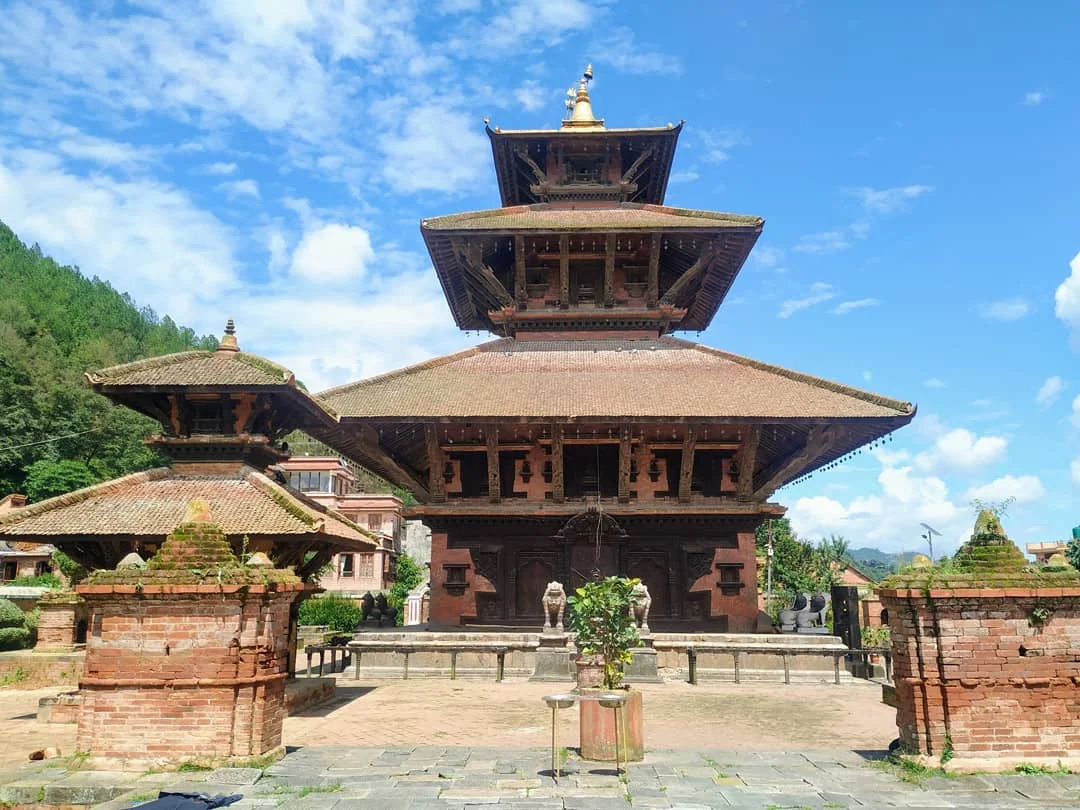
48. Taudaha Lake
Description: Small, peaceful lake on the edge of Kathmandu, popular for short escapes and birdwatching.
Exact location: Dakshinkali Road, about 7–8 km south of central Kathmandu.
Interesting fact: Mythology says Taudaha is the remnant of the ancient lake that once filled Kathmandu Valley before it was drained by Manjushri.
Best time to visit: October–March for clear skies and winter birds; early mornings year-round are calmest.
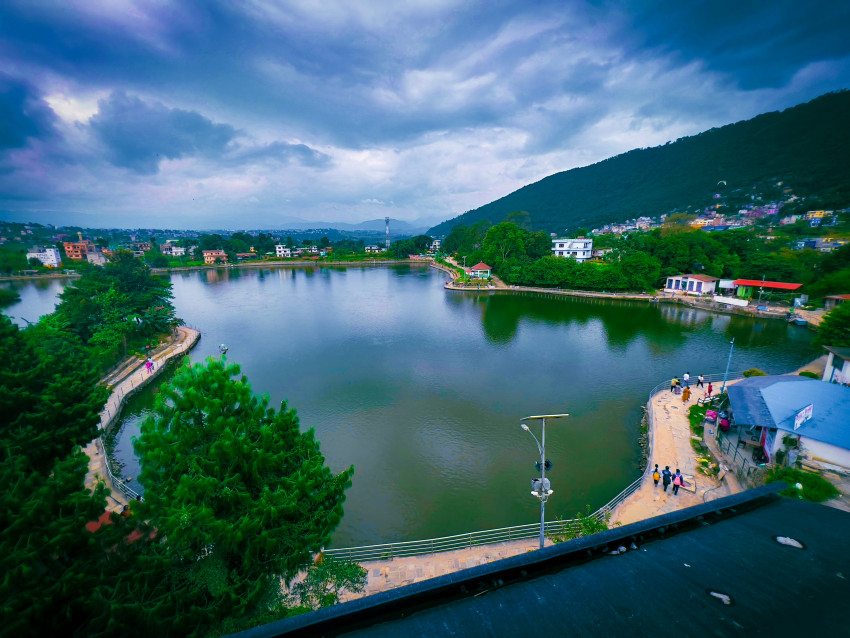
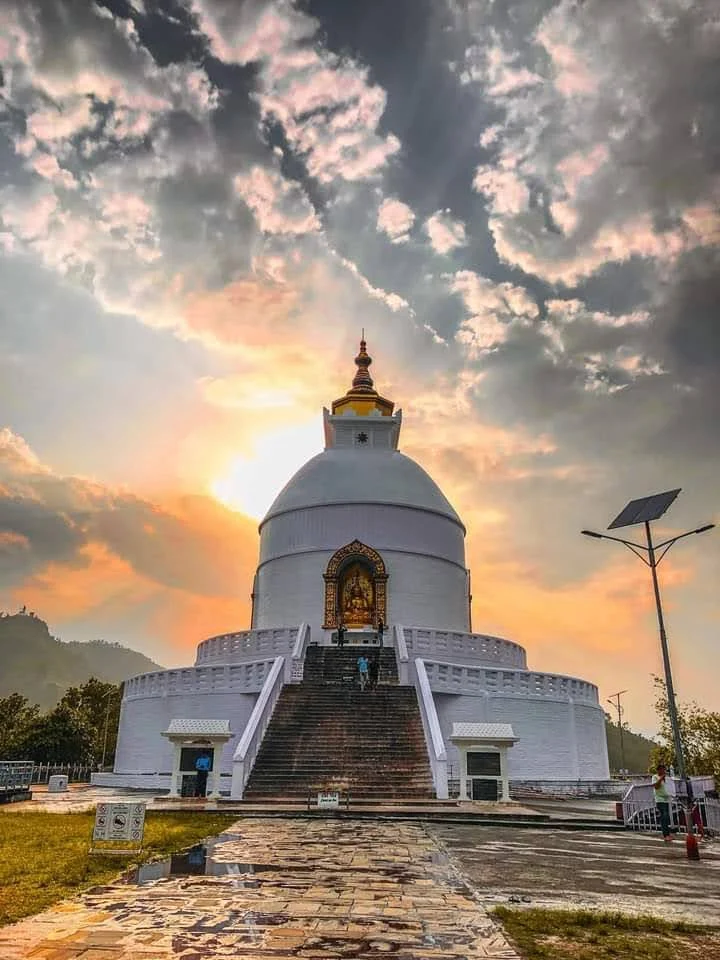
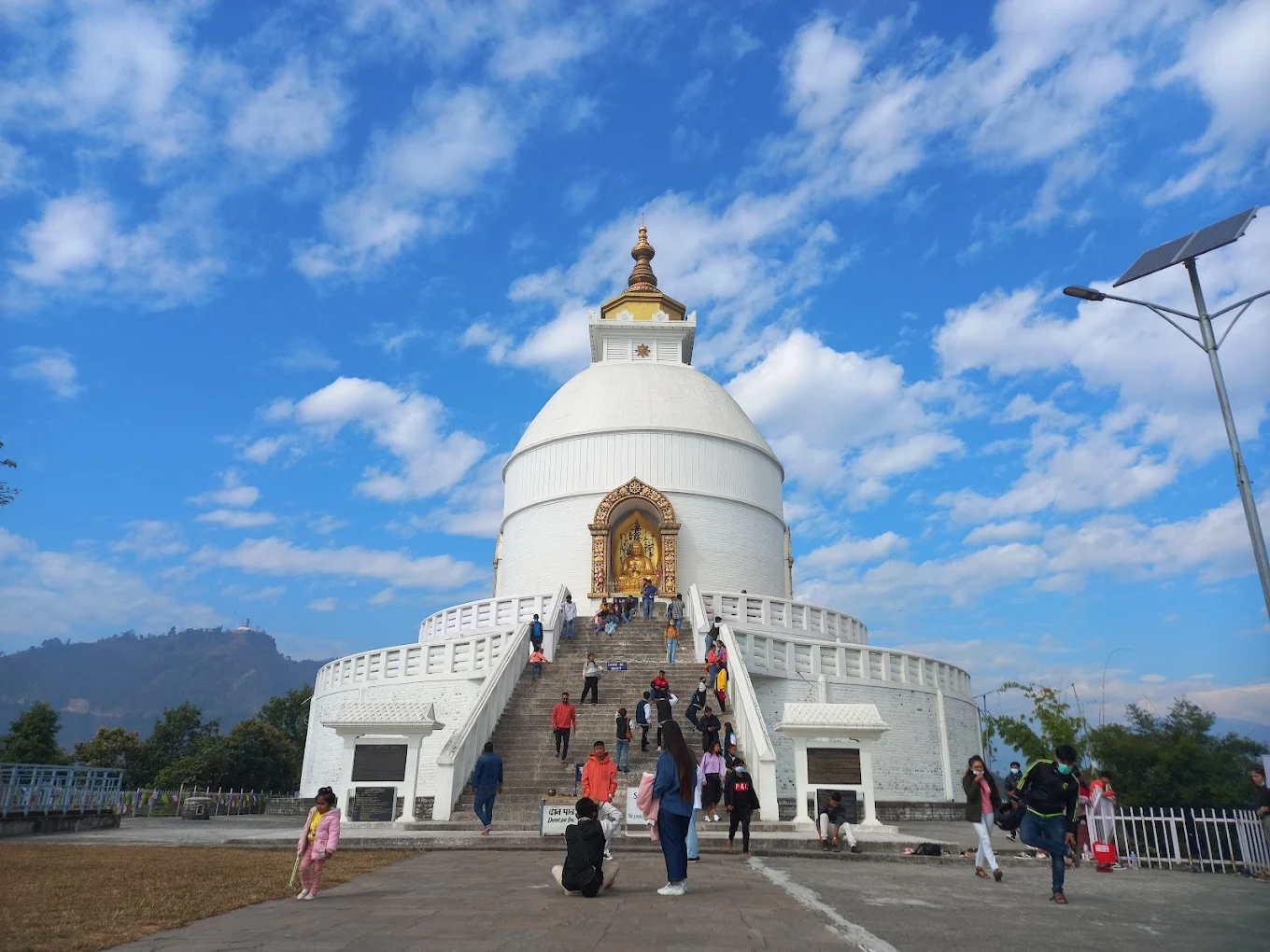
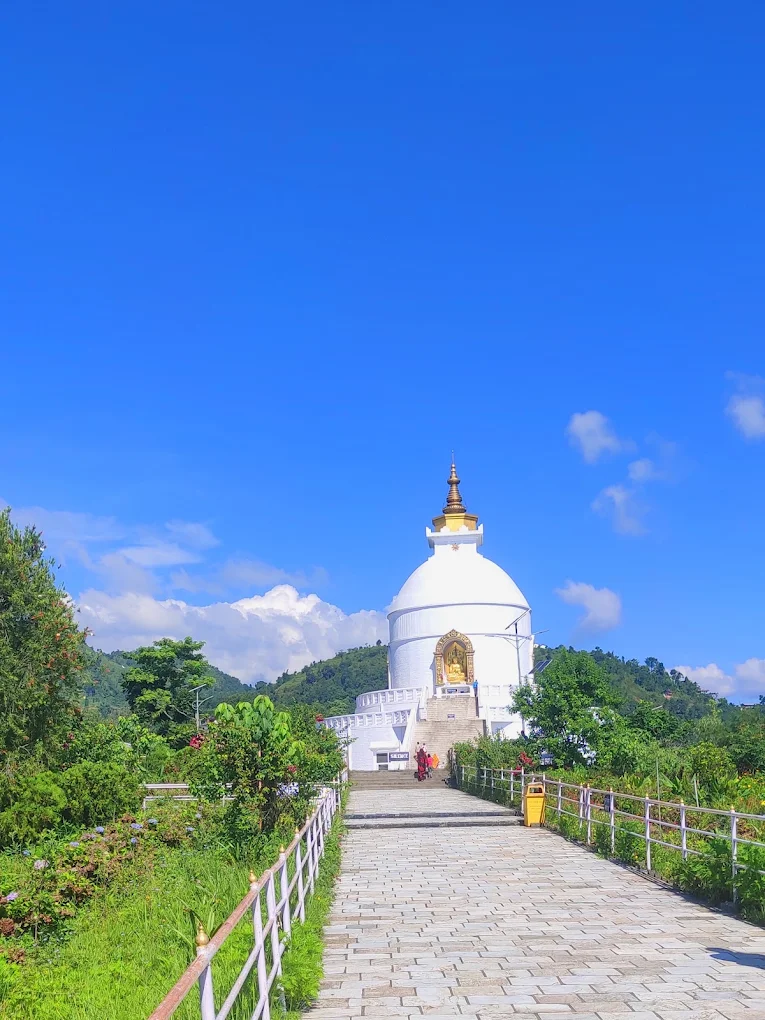
49. World Peace Pagoda (Shanti Stupa) – Pokhara
Description: White hilltop stupa built by Japanese Buddhists, symbolising peace and offering the best overhead view of Pokhara.
Exact location: Raniban hill on the southern side of Phewa Lake; reached by boat plus hike or by road.
Interesting fact: There are Peace Pagodas around the world built by the same Buddhist order; Pokhara’s is one of the most scenic.
Best time to visit: October–April; late afternoon for golden light over the lake and city below.
50. Siddha Baba Temple & Butwal–Palpa Viewpoints
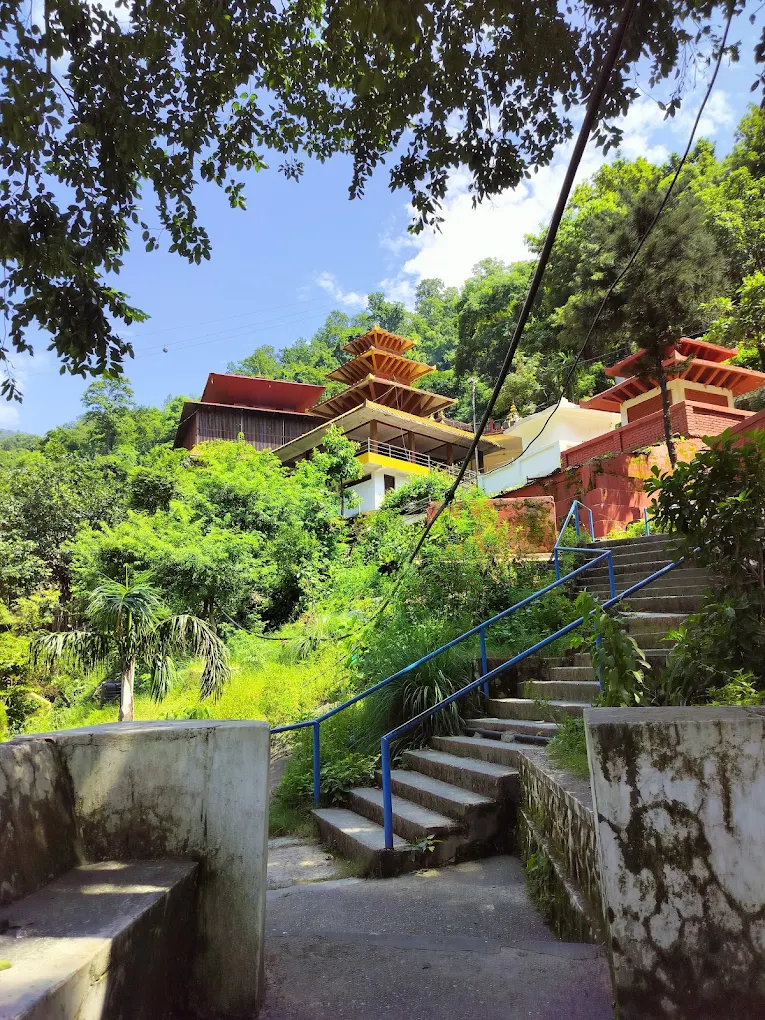
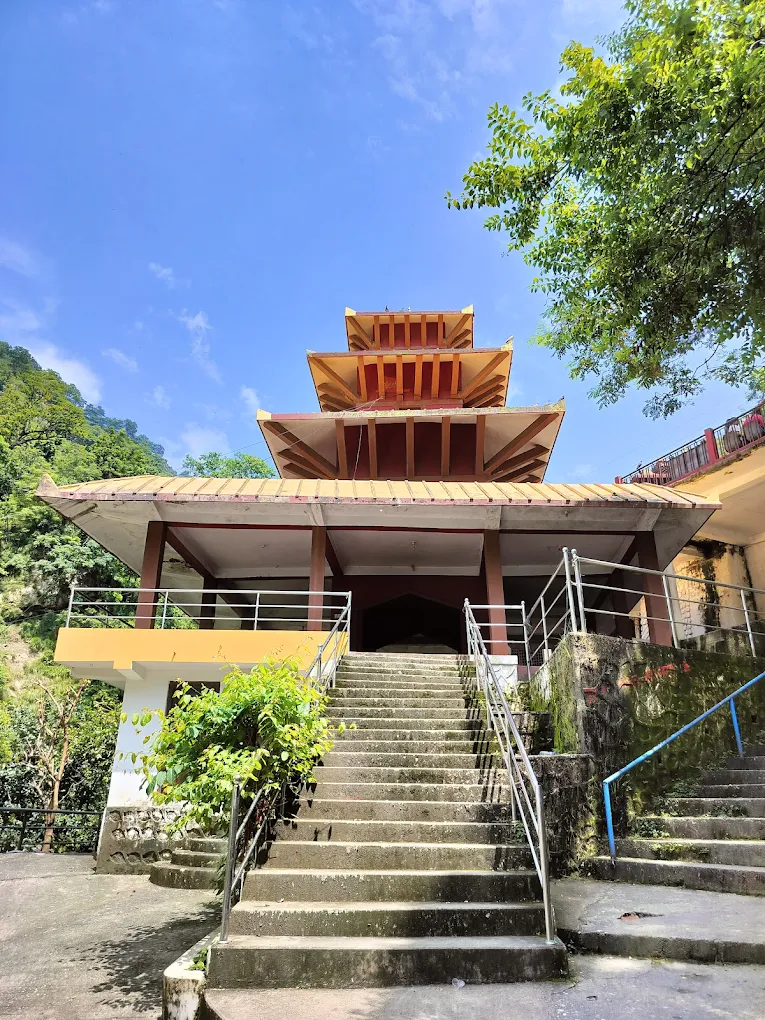
Description: Roadside Shiva shrine on a dramatic cliff, plus multiple hairpin-turn viewpoints with big valley views.
Exact location: Siddha Baba section of the Siddhartha Highway between Butwal and Palpa.
Interesting fact: Many drivers honk or stop briefly to offer prayers here before tackling the winding mountain road.
Best time to visit: October–April for clearer vistas; sunsets here can be spectacular on haze-free days.
Discover the best near you with Nearif
Instantly explore food, shopping, services, and experiences trending around you — all in one smart, location-aware platform made for Nepal.
Found this useful? Pass it on
More inTrends & Industry Insights